


NASCAR Appeal: How Does The Process Work?

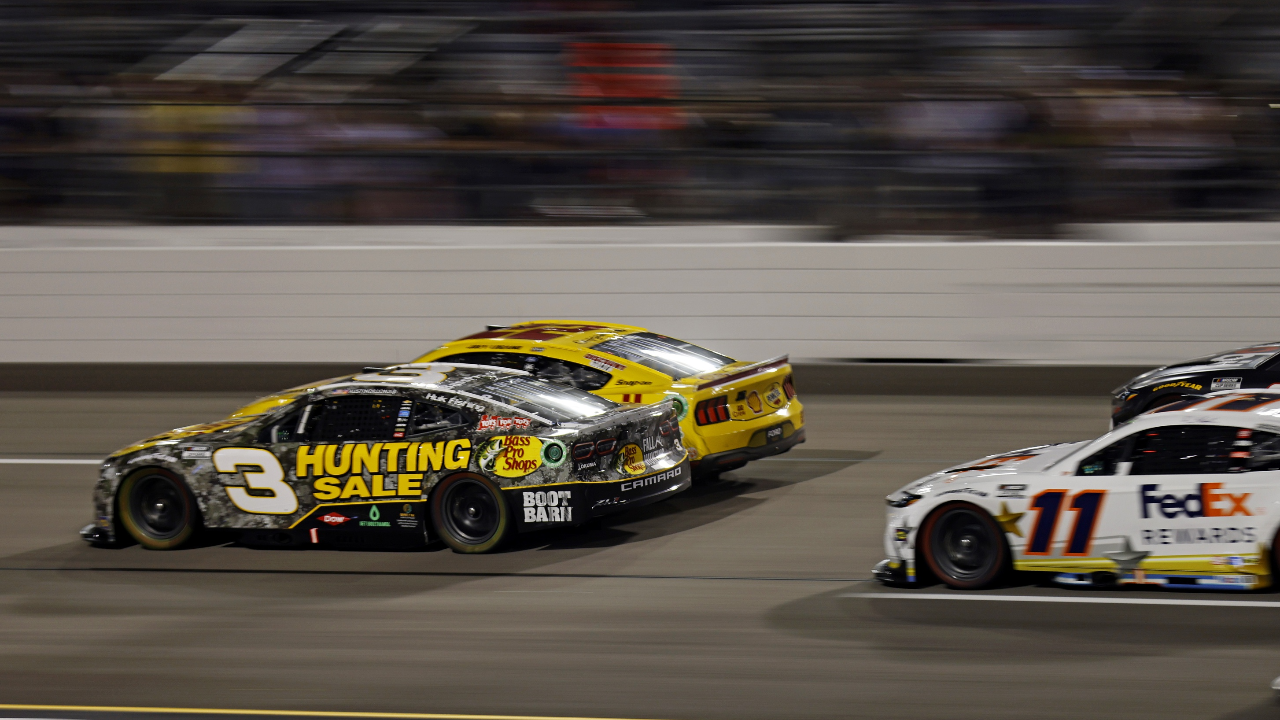
Richard Childress Racing will be appearing in front of a NASCAR committee on Wednesday to appeal the penalty that was issued to Austin Dillon following his controversial win at Richmond. The final verdict passed will determine whether the driver gets his playoff spot back. Here’s a short gist of the appeals process that will happen behind closed doors, as stated by the rule book.
Regular appeals are heard through two steps. The first involves a team and NASCAR presenting their case to a three-member panel. If the team loses that appeal, it can appeal to a final appeals officer. For race disqualifications, a single panel member hears a single appeal. The member can be the final appeals officer.
Teams have a timeline of three days from the incident in issue to make their appeal. This is unless the appeal has an immediate playoff or championship implication. In the event it does, the timeline is reduced to a single day. Regular appeals set a team back by $2,500. Race disqualification appeals dig deeper with a charge of $5,000. Appeals are required to be heard within 30 days.
Who makes the appeals panel? NASCAR has a team of 20 members who can hear them. All of them are experienced professionals in the industry who have worked on marketing, track promotion, racing, auto-mechanism, and whatnot. At least one professional whose expertise coincides with the issue at hand is usually chosen to be a part of the final panel.
Both sides, the team, and NASCAR, are allowed to be present in the room when hearing appeals but the witnesses aren’t. Furthermore, it is only the panel that can question witnesses. During the initial appeal, NASCAR is mandated to bear the burden of proof. The duty switches over to the team when in front of the final appeals officer. The panel makes the final call through two steps.
First, it determines if the said violation did occur. If it determines it did, then it discusses if the penalty issued needs to be modified. Certain conditions are a part of this. Say, a driver has been levied a monetary fine, a points reduction, and a suspension. The panel can only modify the range of the penalties and not terminate it completely.
The decision made does not have to be unanimous across the board but just a majority. If the panel is unable to conclude, the decision changes hands to the final appeals officer. For 2024, that man at the end of the line is the owner of the Langley Speedway, Bill Mullis. If he is unable to attend to the matter, Chris Harris, a Daytona Beach attorney, will take over.
About the author

-
Neha Dwivedi •
“It’s My Life”: Kyle Larson Defends Going on Vacation After Winning NASCAR Charlotte Cup Race
-
Srijan Mandal •
“A Lot of Similarities”: Ryan Blaney Explains the Ladder of NASCAR vs. the NFL
-
Nilavro Ghosh •
NASCAR Review: Christopher Bell Makes Huge Statement After Weather Hands Charlotte Win to JGR Driver
-
Neha Dwivedi •
Kevin Harvick Praises Michael Jordan and Denny Hamlin for “Bold Move” That Could Change NASCAR Forever
-
Neha Dwivedi •
Chase Elliott Denies Bad Blood With Kyle Busch Over Richmond Incident
-
Nilavro Ghosh •
Who Is Carson Kvapil, Dale Earnhardt Jr.’s Newest NASCAR Ace With “Amazing Racecraft”?