


“One of Our Ways of Giving Back”: Derrick Rose Reflects on the D-Rose Rule

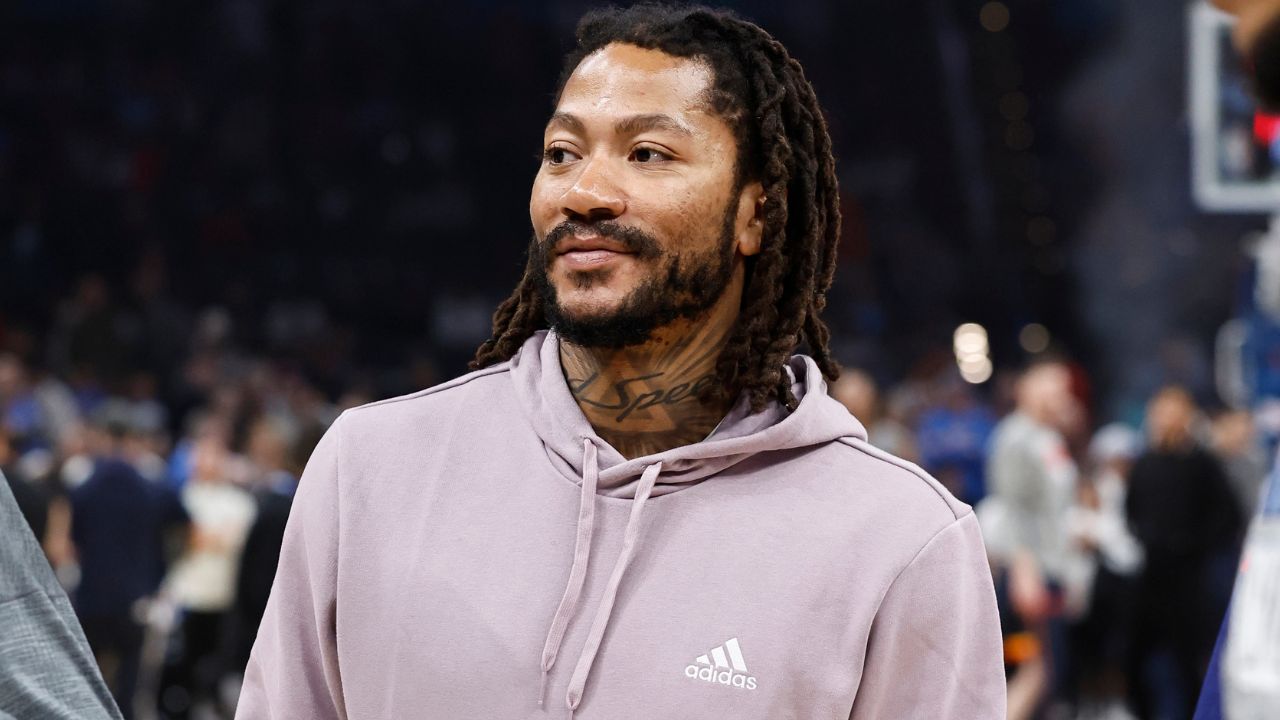
The D-Rose rule, ever since it was instituted in 2011, has had very real influence in the NBA. However, Derrick Rose, in whose name the rule is popularly known, hasn’t spoken much about it. Till now, that is. After retiring from professional basketball last month, Rose has made an exception. The 36-year-old was on Jeff Teague’s ‘Club 520’ podcast when he touched on the 2011 Collective Bargaining Agreement (CBA), and how it ties into his legacy.
“That’s the only thing that I care about bro…I feel like that was one of our ways of giving back. Like, me and my team – not only my team but the fans…So, that rule was not only for me, it’s for everybody,” Derrick Rose shared.
Before the 2011 CBA, players coming off their rookie contracts were only eligible to earn up to 25% of their team’s salary cap. Players with at least seven years in the league could earn up to 30% of the cap and superstars with over a decade of NBA experience were eligible for 35%.
However, when Derrick Rose began to take over in his third season, the league had to take notice. Despite being selected to three consecutive All-Star teams, the explosive guard was earning just over $5.5 million a year. The NBA realized that rewarding players of his caliber was essential as it would also foster greater competition down the line.
Therefore, they introduced certain qualifying criteria that would make superstar players eligible for higher value extensions after their rookie contracts. If a player on their rookie deal earned more than one All-Star or All-NBA selection, or if they won a league MVP, they were now allowed to earn up to 30% of the team’s salary cap.
“At that time, I didn’t know what I was doing. But I’m very grateful and very, very thankful that, like, the league allowed me to do that,” Rose added.
There’s a long line of players who are also grateful, the latest of them being Anthony Edwards and Tyrese Haliburton. The guards from the 2020 NBA Draft earned an extra $40 million by making consecutive All-Star teams during their rookie contracts. Interestingly, it was a different honor that led to D-Rose getting his name enshrined in the CBA.
The NBA rewarded Derrick Rose for becoming the league’s youngest MVP
A then-22-year-old Rose broke Wes Unseld’s record from 1969 when he averaged 25 points, 7.7 assists, 4.1 rebounds and 1 steal in his third NBA season. He would lead his Bulls to a league-best 62 wins and secure the MVP trophy over LeBron James, becoming the youngest ever recipient of the award.
He also earned his second consecutive All-Star selection that season and made the All-NBA First Team – D-Rose’s only time making the cut. For a third year player, it was an impressive resume to say the least. And it formed the qualifying criteria for the Rose Rule, allowing a dozen athletes over the last decade to earn more money .
Today, the league’s burgeoning financial value has led to increased contracts at all levels – from the front office to the end of the bench. But among the many changes the league has instituted over the past two decades, the Derrick Rose Rule stands out for how it was influenced by one player’s meteoric rise to the top of the NBA.
In December 2011, the new CBA would be ratified and the Chicago Bulls would sign their star point guard to a 5-year $94.8 million contract, worth 30% of the team’s salary cap.
About the author


-
Amulya Shekhar •
“Michael Jordan would’ve been benched for attempting a 360 dunk”: Wilt Chamberlain had a horrendous take on the Bulls legend’s showmanship in an appearance on Conan O’Brien’s show
-
Adit Pujari •
“Shaquille O’Neal is Going to Destroy Kobe Bryant”: When a Retired Lakers Player Had to Defend Black Mamba from 7ft 1″ Shaq
-
Akash Murty •
“You wanna make it $20,000, Ben Simmons?”: A Bet by Bradley Beal & ‘Hack-a-Ben’ by Wizards Coach Started Derailing Nets Guard’s Career
-
Akash Murty •
“Michael Jordan Looked at Me Like I Ain’t Slapped His Mother”: How 44-year-old Robert Parish Fended Off MJ’s Attempt to Talk Trash
-
Raahib Singh •
‘One regret about Anthony Davis’ game winner’: LeBron James highlights how AD buzzer beater could have been better
-
Shubham Singh •
“He’s Made Me Cry”: Lil Dicky Reveals Being in Love with Joel Embiid Since His First Time as a Rookie