


NASCAR Mexico Race: Unpredictable Weather Forecast Ramps Up Pressure on Teams & Drivers

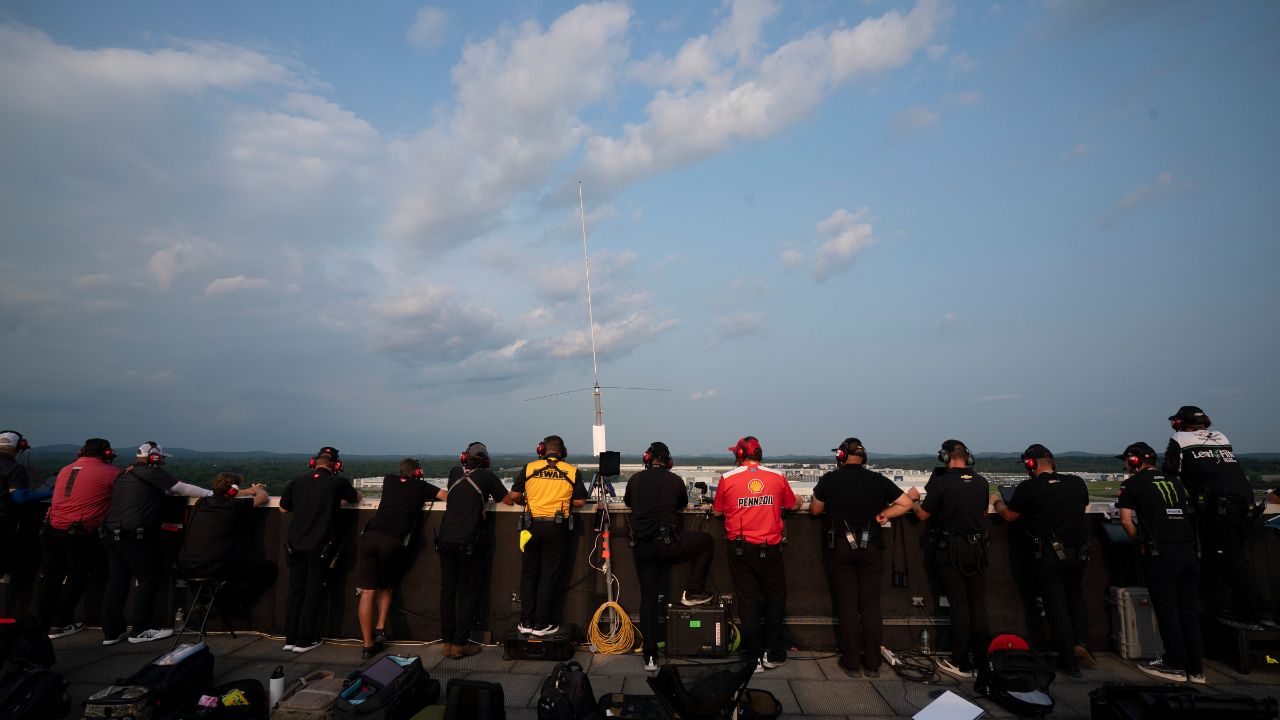
The upcoming NASCAR Cup Series race at Mexico City brings a number of unknowns into play. Drivers will rely solely on the practice and qualifying sessions ahead of the race to learn as much as they can about the Autódromo Hermanos Rodríguez road course and adjust their cars accordingly. In a matter of potential concern, this challenge is likely to be amplified by looming rain clouds.
The weather conditions in Mexico City for this weekend don’t appear very positive. What this means is that a host of rules and regulations will fall under scrutiny based on what the skies decide to do. If it rains before the green flag drops for the 100-lap race, Cup Series teams will be allowed to take a parade lap on dry or wet weather tires.
They will then choose which tire they wish to start the race on. After the green flag drops, NASCAR will leave all tire selections to the teams. Mike Forde, NASCAR’s managing director of racing communications, said, “From then out, it is all going to be crew chief or team decisions on how they want to play that strategy. So it’s as simple as that.”
Pit road rules for changing tires will be the same as in any normal race. Apart from road courses, NASCAR has been using wet weather tires on oval tracks one mile and shorter since the 2023 All-Star Race. Last season, they were used at Richmond and New Hampshire. It remains to be seen if they will be brought out in Mexico.
The current forecast for Sunday predicts a cloudy day with a touch of rain around midday. Fans can expect similar weather on Friday and Saturday as well. The Cup Series race is expected to start at 3:00 p.m. ET. It is rather interesting that the inaugural Chicago Street Course race in 2023 was welcomed with a rainy day as well.
Shane van Gisbergen raced his way to victory in that race, which was also his Cup Series debut. The Viva Mexico 250 will be a challenging hurdle to overcome in the journey towards the championship. The road course sits at a height of 7,500 feet above sea level. The altitude alone presents multiple roadblocks.
For instance, the engines on stock cars produce significantly less horsepower at such altitudes. The cooling in the cars will also be impacted since water boils at a lower temperature at high altitudes. Combine such factors in with rain and the teams will have a technical fiasco of all sorts.
About the author

-

Neha Dwivedi •
“Thought I Was Being Called to the Principal’s Office”: Dale Earnhardt Jr.’s Cup Series Weapon Divulges Feelings on Landmark Opportunity
-
Shaharyar •
“A Bit Sad”: NASCAR Driver Reacts to Daytona’s New Look After Ryan Preece’s Horrific Wreck in 2023
-
Neha Dwivedi •
Why Harrison Burton’s Stellar Daytona Win Was Leigh Diffey’s Favorite NASCAR Race from Debut Season
-

Neha Dwivedi •
“Fun, Money, and Girls”: Joe Gibbs Feels It is Better to Be a Driver Than an Owner in NASCAR Today
-

Neha Dwivedi •
Why Denny Hamlin Has Not Stopped Racing Despite Tragic Death of His Father and Title Heartbreak
-

Ankit Sharma •
“There’s a Funeral Every Day Now”: Brad Keselowski on the Biggest Challenge NASCAR Faces Currently