


Ground Effect F1: What is Ground effect in Formula 1 and why was it banned?

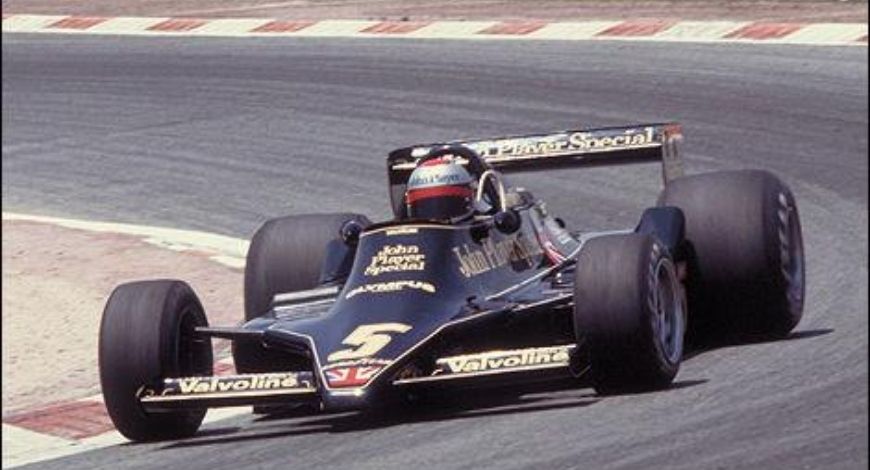
Ground Effect F1: What’s the meaning of ground effect and why was it banned in the first place from Formula 1; will it make a return?
Ground Effect is a series of aerodynamics effects or designs which helps in creating the favourable amount of downforce in a car. allowing for greater grip and this greater cornering speeds.
One of the biggest components in it are wings of an F1 car. Ground effects cars went beyond simple wings – they utilized upside-down aerofoils surrounded by side skirts that went almost all the way down to the road to create zones of extremely low pressure underneath the car.
Bernies concept for low cost F1, recycled chassis, DFVs and ground effect pic.twitter.com/2P1jXl6bwS
— Craig Scarborough (@ScarbsTech) October 23, 2015
They worked almost like a vacuum cleaner or a suction cup. Indeed, Brabham even designed a car that used a fan to help “suck” the car down on the road (this was quickly banned).
Why were ground effect in F1 got banned?
The problem with these extreme ground effects is that if the seal is broken – for example, if the skirts are damaged, the car went over an uneven portion of the road, the car was nudged by another car, et cetera – then a large portion of that downforce would be almost instantly lost, potentially causing the car to hurtle off the track.
Teams were obsessed with the benefits of ground effect and were now pushing the boundaries and spurning wings for even more aggressive ground effect solutions
With G-force escalating dramatically because of this, it brought a greater level of risk of life to the drivers and soon FIA got involved and banned the system.
Ground effect return in F1
In the next season, the ground effect is set to return in Formula 1. The purpose behind this is more dramatic races and major aerodynamic changes should enable cars to follow more closely and make overtaking easier with the aim of delivering “more exciting wheel-to-wheel racing”.
At the same time, it’s hoped that spending restrictions will narrow the gap between the teams, giving more drivers a realistic shot of victory.
Also read: F1 Engine suppliers 2020: Who supplies engines to Formula 1 teams?
However, the restriction will bring in after much considerations of the past, which can potentially make things safer and ideal for the drivers while accelerating the average speed of an F1 car.
About the author


-

Aishwary Gaonkar •
Liam Lawson’s Race Engineer: Who Is Going to Assist New Red Bull Driver on Radio
-

Veerendra Vikram Singh •
Ex-McLaren Mechanic Urges Red Bull to Sack Sergio Perez on “Pure Sporting Perspective”
-

Mahim Suhalka •
Eddie Jordan Tries to Answer Why Adrian Newey Left ‘Family’ Like Red Bull
-

Veerendra Vikram Singh •
Ayao Komatsu Sets Top 4 Target for Team Haas: “This Is Why Gene Made a Change”
-

Anirban Aly Mandal •
“I See Many Parallels”: Red Bull Could Face ‘Benetton After Michael Schumacher’ Fate if Max Verstappen Decides to Leave
-

Subham Jindal •
Most F1 Wins: Lewis Hamilton edging closer to Michael Schumacher’s 91 Formula 1 GP wins