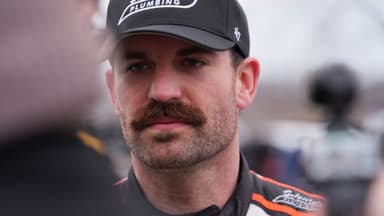
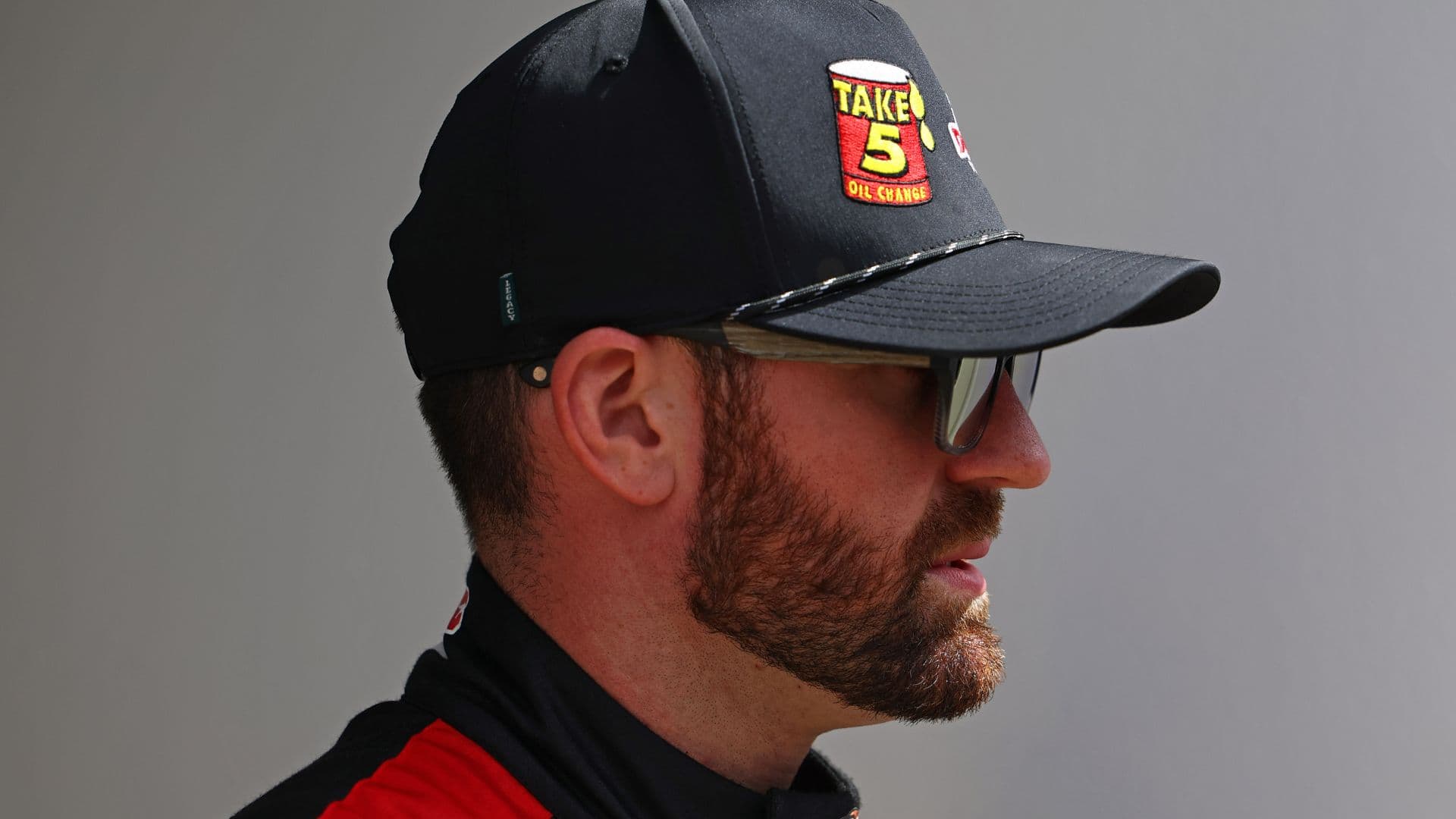
Drivers born into racing rings start a rung or two higher on the ladder, in theory. They grow up knowing the right people, understanding the system, and often have financial cushions that let them focus on developing their skills rather than scrambling for survival. But in Corey LaJoie’s case, the family legacy that should have smoothed his climb ended up putting heavier rocks in his backpack.
Advertisement
LaJoie’s father, Randy, spent more than two decades in the Cup and Xfinity garages. He never cracked the code in Cup, scoring only three top-tens in 44 starts, but made his mark in the Busch Series with 15 wins across 350 races. For most drivers, coming from such a background would open multiple doors. For Corey, however, it shut a few.
“It’s probably actually made my road harder,” LaJoie said in a 2019 interview with with Frontstretch. “People just think that my dad’s put me in all these race-winning cars.”
The real story looked nothing like a silver-spoon upbringing. Up through ARCA, Corey insisted, the only way a car reached the racetrack was if he and a buddy pulled all-nighters to get it there.
Yes, Randy had relationships around the garage and plenty of goodwill to borrow parts, but Corey clarified that his father never picked up the phone to call a Rick Hendrick or petition for a development deal. No one slid him into a top-flight K&N or ARCA seat. Corey said bluntly that he wasn’t ushered into a program, groomed as the next big thing, or paired with big-name crew chiefs
“I had to do it the hard way, and I wasn’t able to get in one of those situations where I was driving a race-winning car,” he said, summing up years of hustling for scraps.
Lajoie then recalled that in his entire career, he could count on one hand the times he arrived at a racetrack with a car capable of winning.
One of those was a late model he drove for Eddie Sharp at Rockingham, a race he won. Then came another late model for Randy Sears at the same track, where he rattled off three straight victories. His lone K&N opportunity with MDM in the No. 41 also produced a win.
Corey stressed that whenever he strapped into machinery built to run at the front, he delivered. The performance gap, he believes, wasn’t talent, but resources and access. LaJoie asserted that when the national series came calling, the cars he climbed into weren’t even top-15 material, let alone race-winning equipment. And that, more than anything, shaped how his career evolved.
At a point when many young drivers ride the escalator of family funding or team pipelines, Corey wound up taking the stairs two at a time, carrying his own toolbox. His father’s legacy didn’t pave his road; it raised expectations he wasn’t given the equipment to meet.