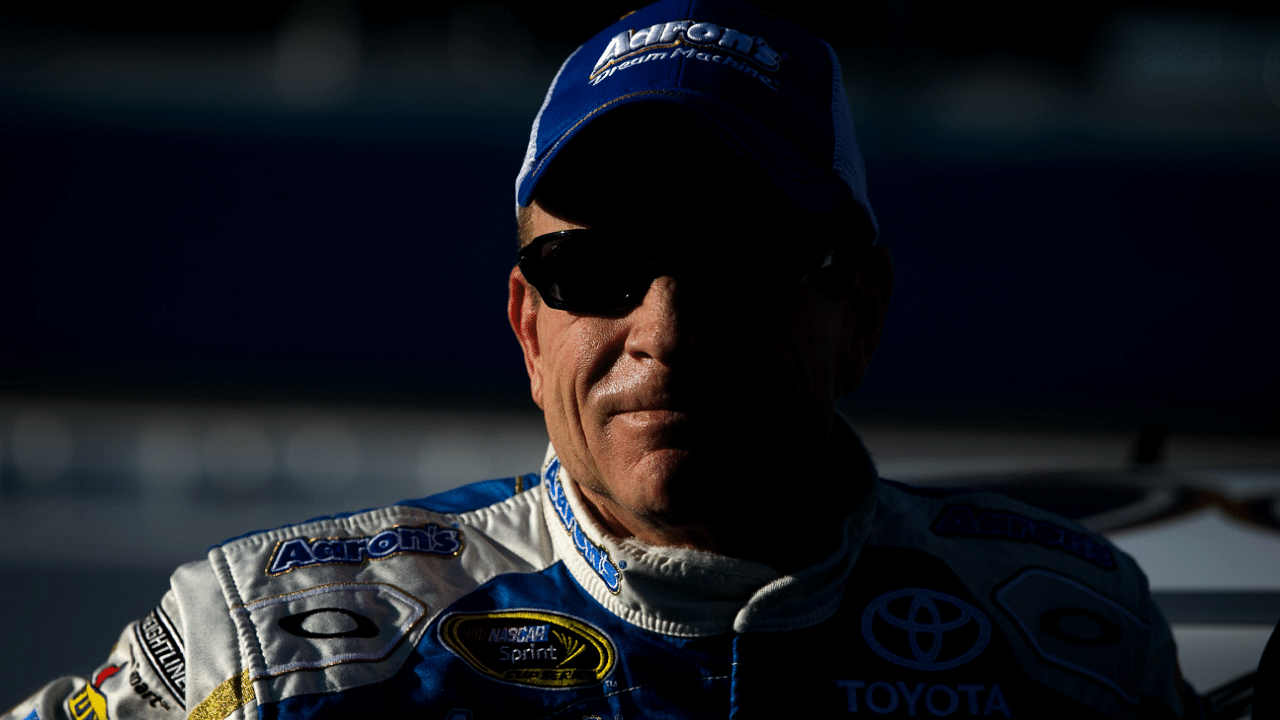
Even though Mark Martin never won a NASCAR Cup Series championship, he was never taken lightly by the field. When Martin, who raced in the top tier from 1981 to 2013, had speed beneath him, he could beat anyone, regardless of reputation or résumé. That too by racing clean, earning respect and admiration from competitors and fans alike. And that love has grown even after his racing career.
Advertisement
That has a lot to do with Martin’s willingness to speak on issues such as playoff formats and horsepower levels. This has placed him in a rare position: He is a conduit for fan sentiment at moments when many voices in the fraternity stayed guarded.
During a recent episode of the Mark Martin Archive podcast, he addressed whether clean racing and vocal support alone explained the esteem he earned from peers. The answer is much more layered, felt Martin.
“I think it was that I was a straight shooter always. I felt like I had a lot of integrity,” began Martin.
“When I was mad, I didn’t talk stuff about other drivers. I’d be mad and hold my tongue, and I made it clear. You could read it all over me, but I wasn’t going to cry. I just don’t think that the fans want to hear a grown man cry. So, I took my lumps. I took it like a man. And I tried to be straight and have a lot of integrity,” he explained.
Martin’s career and body of work on the track is quite a story of bad luck. He drove a long list of fast cars, ran innumerable races, and endured repeated heartbreak through mechanical failures and broken components. Parts failures and blown engines piled up for him in ways many of his contemporaries never experienced.
Yet Martin continued to surface as a weekly threat back in the day. He absorbed the blows, returned to the cockpit, and delivered pace. The standings reflect how close he came.
The veteran driver finished second in the championship five times in his 31-year NASCAR career. Drivers across generations recognized what it took to have that level of performance behind the wheel.
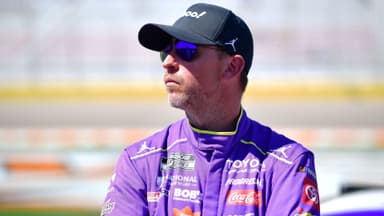
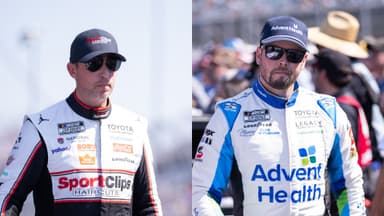
Even current competitors, including Denny Hamlin, point to Martin’s ability to extract speed from imperfect equipment. Rivals such as Dale Earnhardt Sr. and Rusty Wallace also acknowledged him as one of the hardest drivers to beat.
Martin embraced physical fitness and nutrition long before those practices became standard in NASCAR. He used to lift heavy weights to withstand the demands of long races. He invested in preparation when the culture had not woken up to it.
Martin also took younger drivers under his wing, offering direct guidance and steady support without an agenda. This reinforced his reputation as a straight-up competitor and ultimately built his rapport with the fanbase.