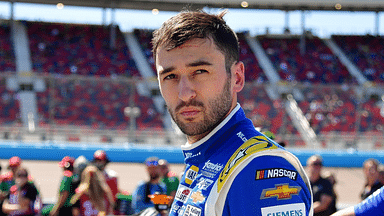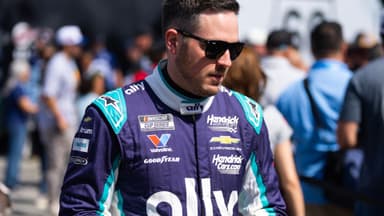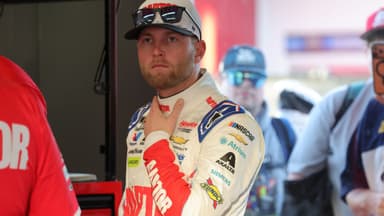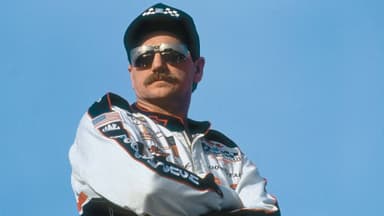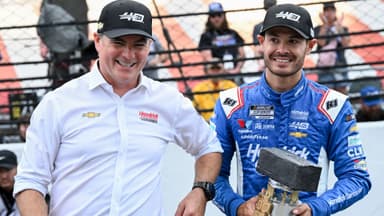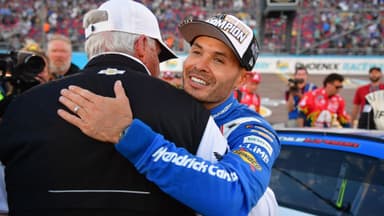
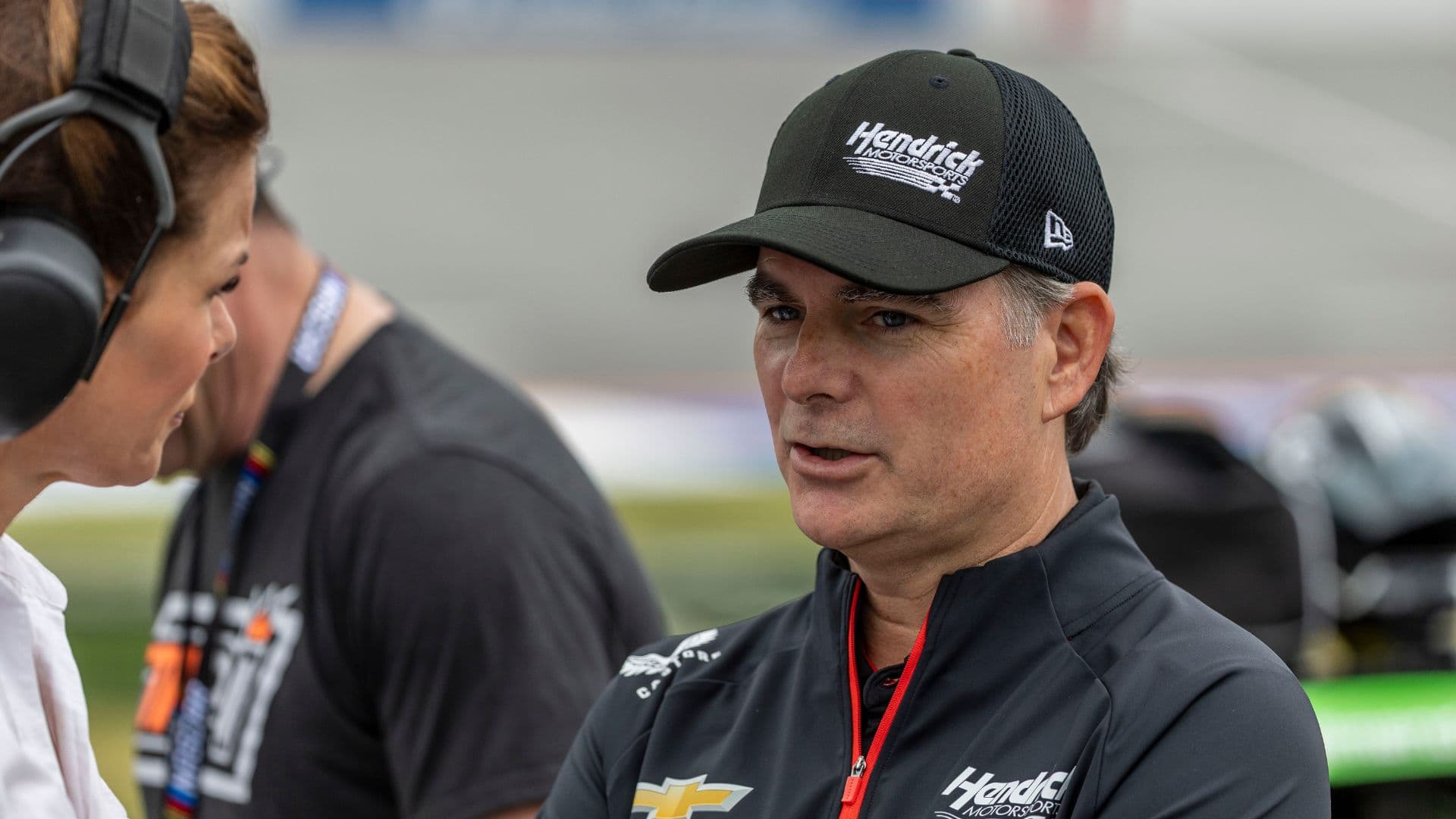
Jeff Gordon now serves as vice chairman of Hendrick Motorsports, the same organization with which he won four Cup Series titles. Even more remarkably, he drove exclusively for Hendrick throughout his entire Cup career from 1993 to 2015. While some might assume that watching the field thunder past would reignite his desire to climb back into a race car, that isn’t quite the case.
Advertisement
Gordon has taken a hard look at the demands modern drivers face and is content remaining on the pit box side of the wall. Speaking to First Things First and NASCAR on Fox, he explained his perspective candidly.
“Yeah, I’m glad I’m not racing today. And I’ll tell you why,” he began. “Because the driver has so many things happening.
“They’re saving fuel. Don’t give up this track position. There’s a line coming on the outside. There’s a line coming on the inside. ‘Hey, we’re going to pit this many laps.’ There’s just so much information that they’re being fed that I think it would be overloaded,” the legendary driver added.
Back in Gordon’s day, the path was clearer. Teams spent the winter chasing speed and balance. If they could get the car to turn better than the next guy’s and keep it off the wall, the drivers could separate from the pack. That was the edge. Do your job, avoid mistakes, and let the car do the talking.
“I’m glad I’m not racing today. And I’ll tell you why: the driver has so many things happening.”@JeffGordonWeb explains: pic.twitter.com/Fvr291fKD5
— First Things First (@FTFonFS1) February 13, 2026
Now, the margin for error is razor-thin. Drivers must process data on the fly, weigh every move, and think three steps ahead. While that heightened complexity adds drama — especially when someone is chasing a third straight win, as William Byron is at the Daytona 500 — it also brings an immense amount of pressure.
From his seat in the front office, Gordon sees the machine behind the machine. When he drove, he focused on his lane and trusted the rest would fall into place. Now he sees the engine shop turning wrenches, the crew drilling pit stops, sponsors signing checks, engineers combing through data, and staff laying the groundwork long before the haulers move.
Gordon is no longer the man behind the wheel, but he stands shoulder to shoulder with the people who build the cars and call the shots. He understands now that success now runs through more hands, and he takes pride in that shared effort.
At Daytona on Sunday, Hendrick Motorsports will field four cars with a shot at the front. Gordon knows he cannot strap in and push the throttle for them, but he trusts the work done behind closed doors.