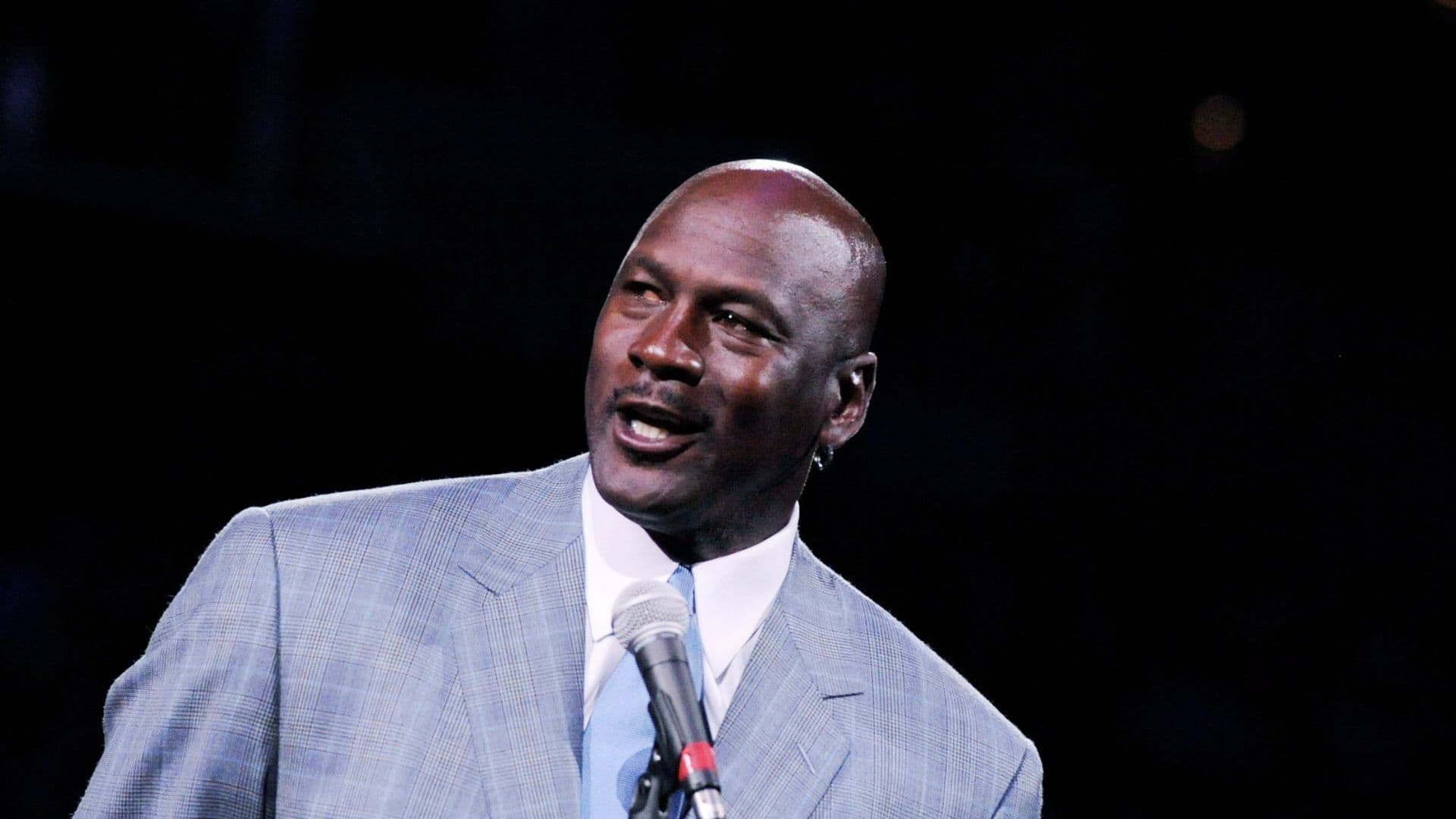
Day five of the antitrust trial on Friday brought NBA icon Michael Jordan to the witness stand, and his testimony struck a chord well beyond the courtroom. Jordan spoke with the sincerity of someone who has cherished stock car racing since childhood. NASCAR veteran Kenny Wallace felt that every point MJ stated cut straight to the heart of the sport’s current divide.
Advertisement
Jordan told the court the lawsuit had nothing to do with ego or settling scores. Instead, he framed the litigation as a fight for fairness for every person and every team in NASCAR who aren’t being treated fairly.
As Jordan continued to navigate the ownership landscape, he said he grew convinced that the business structure lacked balance. The basketball legend drew comparisons to the NBA’s model of shared responsibility and revenue. To Wallace, Jordan’s remarks were genuine and spot-on.
Wallace agreed with the thrust of MJ’s argument and pointed out a subtle dynamic in the courtroom. NASCAR attorneys, who had pounced on Denny Hamlin and Bob Jenkins earlier in the week, did not take the same approach with Jordan.
Jordan’s texts, replies, and business conversations were dissected, but never with the sharpened edge used against the other team owners. According to Wallace, NASCAR knew better than to aim its fire at one of the most respected athletes on the planet.
Wallace asserted that it wouldn’t have looked good on NASCAR to throw mud at the Jordan. Wallace then highlighted the gravity of MJ’s stance. He recalled Jordan explaining how he attended races at Talladega as a kid, stressing that he filed the lawsuit because someone needed to step up.
Wallace noted that traditional team owners like Rick Hendrick and Roger Penske make their fortunes through dealerships and broader business empires, not racing. Jordan, he argued, occupies a unique position: He is wealthy enough, independent enough, and passionate enough to challenge NASCAR in a way others simply cannot.
Wallace rephrased the core of MJ’s sentiment: ‘When NASCAR does good, the team should do good,’ and stated, “So, what he [MJ] said was heartfelt. It wasn’t bad.”
To Wallace, nothing MJ said came from a place of personal gain. The veteran driver has spent 26 years in the sport and understands how meaningful it is to have someone of Jordan’s stature advocating for structural changes.
While MJ doesn’t live in the weeds of the sport’s technical side, he has always embraced its adrenaline and cultural significance. His presence carries weight far beyond that of a typical owner. That swayed Wallace, who underscored that Jordan’s testimony was heartfelt rather than strategic.
With MJ already being a multi-billionaire, Wallace dismissed any notion that the lawsuit is a financial pursuit. Instead, he sees a global icon using his voice to push NASCAR toward a system he believes is healthier, more stable, and genuinely equitable for everyone under its banner. The nine-time Xfinity Series race winner insisted that MJ wants the sport he loves to rise with its teams, not leave them fighting for air.