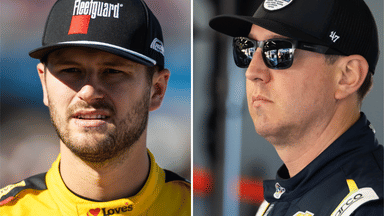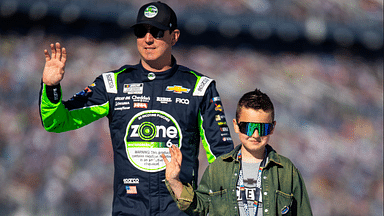
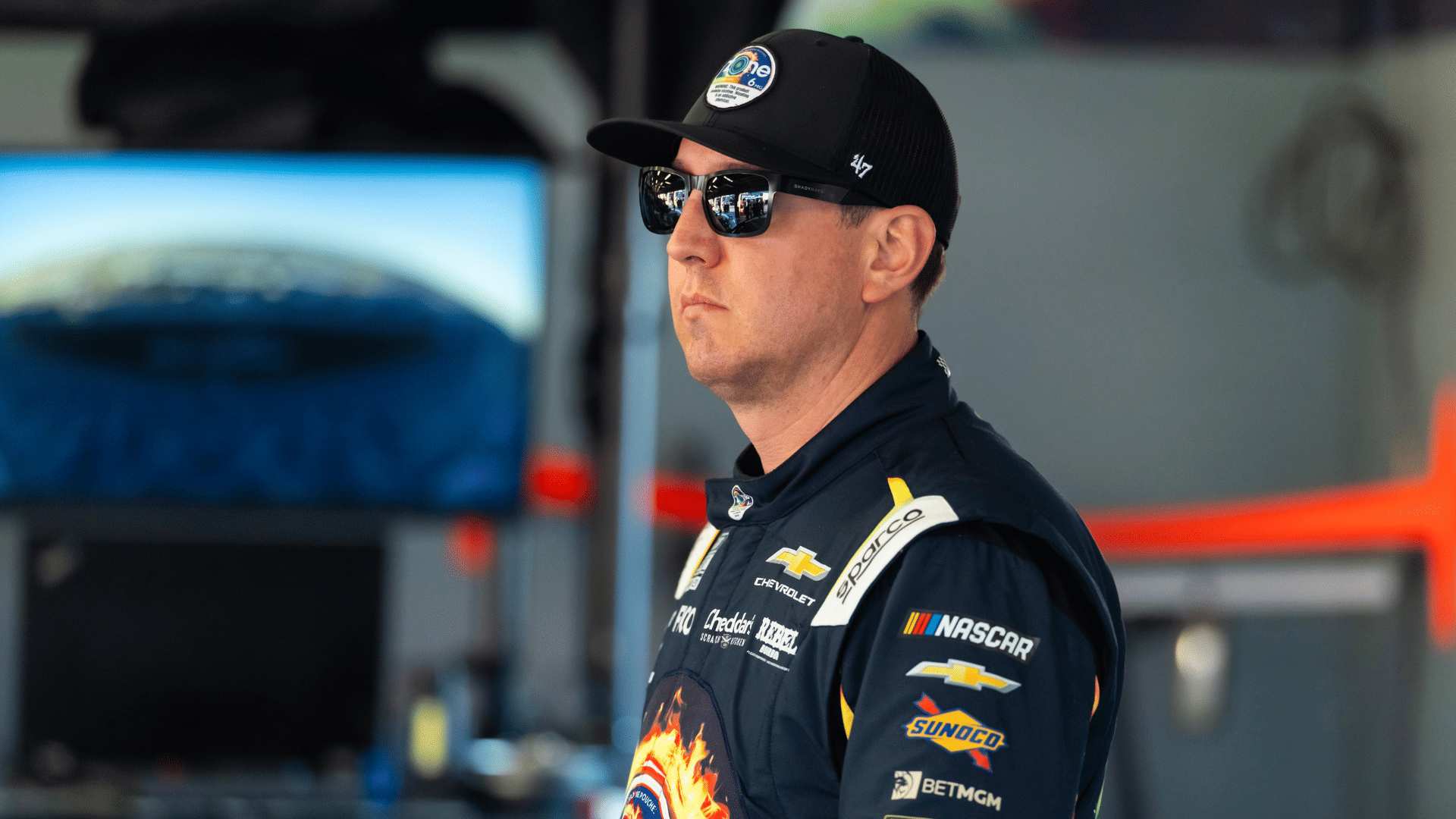
Kyle Busch’s average finish fell to 18.3 in 2024 and 17.9 in 2025, the lowest of his 23-year Cup career. Yet amid team struggles at Richard Childress Racing, he has remained more competitive on road courses than on most ovals. That gives him optimism heading into the next round of the 2026 season after a quiet beginning to the campaign.
Advertisement
Busch finished ninth at the Circuit of the Americas in 2024 and scored a top-five there in 2025. Beyond that, he led 42 laps on road courses in 2025, second only to Shane van Gisbergen’s 301.
He remains among the most accomplished road course drivers in NASCAR, even as results have swung in recent seasons. He owns four Cup Series road course wins, with two each at Sonoma Raceway and Watkins Glen International. His strongest result across track types last season came at COTA, where he finished inside the top five despite running near the front late. That is why he is more than excited to head back to COTA on Sunday.
NASCAR has increased horsepower for short tracks and road courses to 750, and Busch expects tire management to mold the race. “Tires are going to be more paramount this weekend,” he said per Speedway Media.
“You might see guys, if there’s a late caution with 10 to go, that got three or four laps old tires might come, pit, and try to drive back through the field and hope that the front guys burn their stuff up. Fresher tires more times than not, especially with more horsepower, you’re going to want them.”
A year ago, tire timing played a role in his final result. Busch started eighth and cycled to the lead six times, holding the top spot with six laps remaining as pressure built from Christopher Bell, William Byron, and Tyler Reddick.
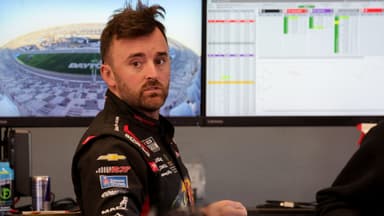
But then a caution changed the whole race sequence. The yellow, triggered by Busch’s teammate, Austin Dillon, erased the gap and forced a restart. The #8 RCR driver lined up on tires two laps older than some around him.
But at COTA, that margin carries more weight than anyone would anticipate. When the green returned, Bell had more grip and drive off the corners. Busch could not counter the deficit and slipped back to finish fifth, a result that fell short given his pace through the race.
And this season, Busch has predicted that tire wear may carry even more influence. With higher horsepower, fresh tires can translate into pace and control. More grip shapes braking zones, corner entry and exit, and acceleration. Over a short run, that edge can outweigh track position and decide the finish.