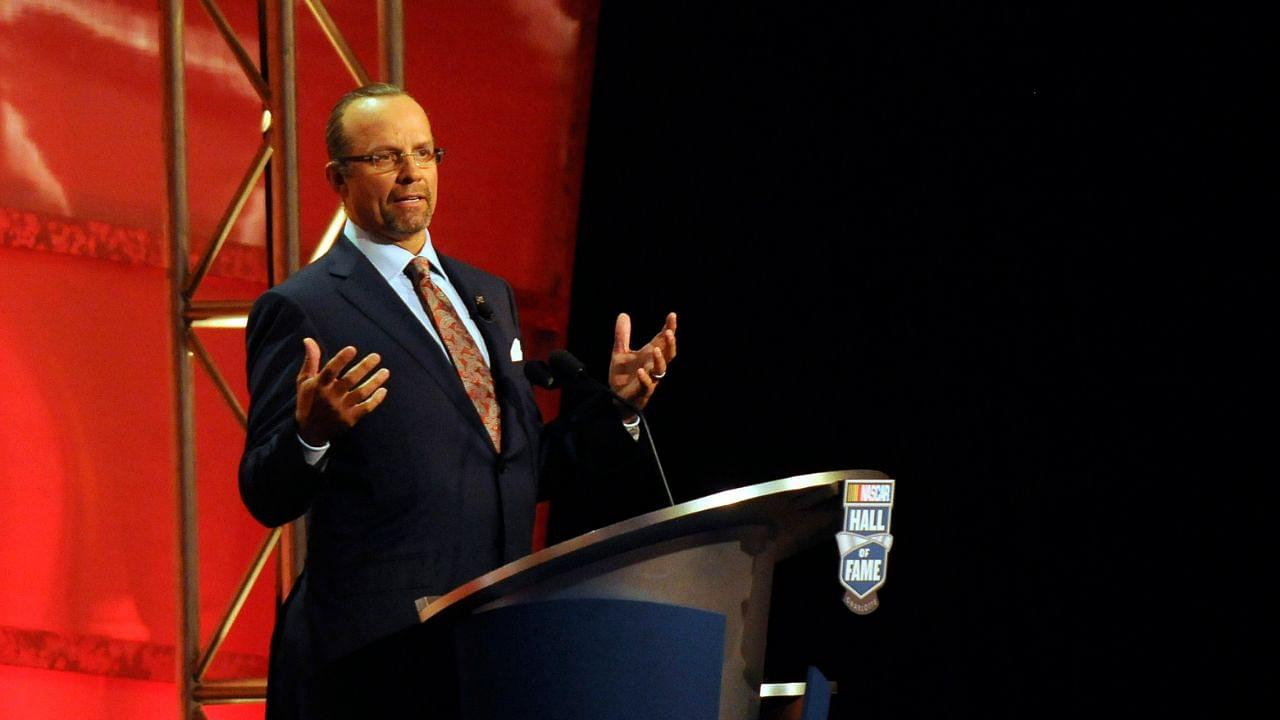
Seldom do people know that Richard Petty won his seven NASCAR Cup Championships under five different points systems, a detail that often gets lost in debates about championship formats. While NASCAR has reverted to the Chase format in response to pressure from the industry, Kyle Petty has given a clear explanation for why champions crowned under the elimination format should not see their accomplishments diminished.
Advertisement
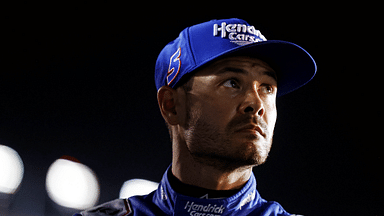
The three-race elimination system balanced fortune and execution, with circumstance sometimes carrying extra weight. When Kyle Larson claimed the title in 2021, he did so through his dominant performance throughout the season. Joey Logano’s 2024 championship followed a different script.
That season drew scrutiny because Logano failed to assert himself during the regular schedule, yet he found rhythm when the playoffs arrived, raised his level over the final 10 races, and claimed the sport’s top prize. That context underpins Petty’s position. He has welcomed the return of the Chase and never aligned himself with the idea of a single race determining everything.
Still, he has stressed that drivers compete within the structure they receive, not the one they might prefer. “My point is, it doesn’t really make any difference what the point system is. Everybody knows when they roll into Daytona, what point system they’re racing under… You’ve got to race to the point system that’s laid out.”
Petty expanded on that point by drawing from history, explaining that navigating the system has always been part of the job. “And you’ve got to figure out how to make it work… When Richard Petty and Darrell Waltrip ran for the championship in ’79, they got to bring in two cars to the racetrack and hiring other people to drive these cars just to take points away to manipulate that part of it. So, it’s always been a part of racing the system. I like this format.”
He also noted that outcomes shift when the format changes. Had NASCAR used the 1962 points structure in 2025, Petty argued, Kyle Larson would not have claimed the championship, and another driver would have stood in that position. For now, Petty has embraced the revised points model and expressed support for how the sport has chosen to move forward.
However, that stance is an evolution from his earlier take. In previous discussions, Petty often backed the elimination format, framing it as a pressure cooker that rewards performance when bets rise. He consistently countered critics by pointing out that teams understand the rules before the first green flag waves.
After the backlash followed Joey Logano’s 2024 title, Petty urged fans to “give him credit,” stressing that Logano and Team Penske learned how to operate within the system and turned that understanding into three championships across seven seasons. However, across formats and eras, Petty’s message has remained steady. Championships reflect mastery of the conditions presented.