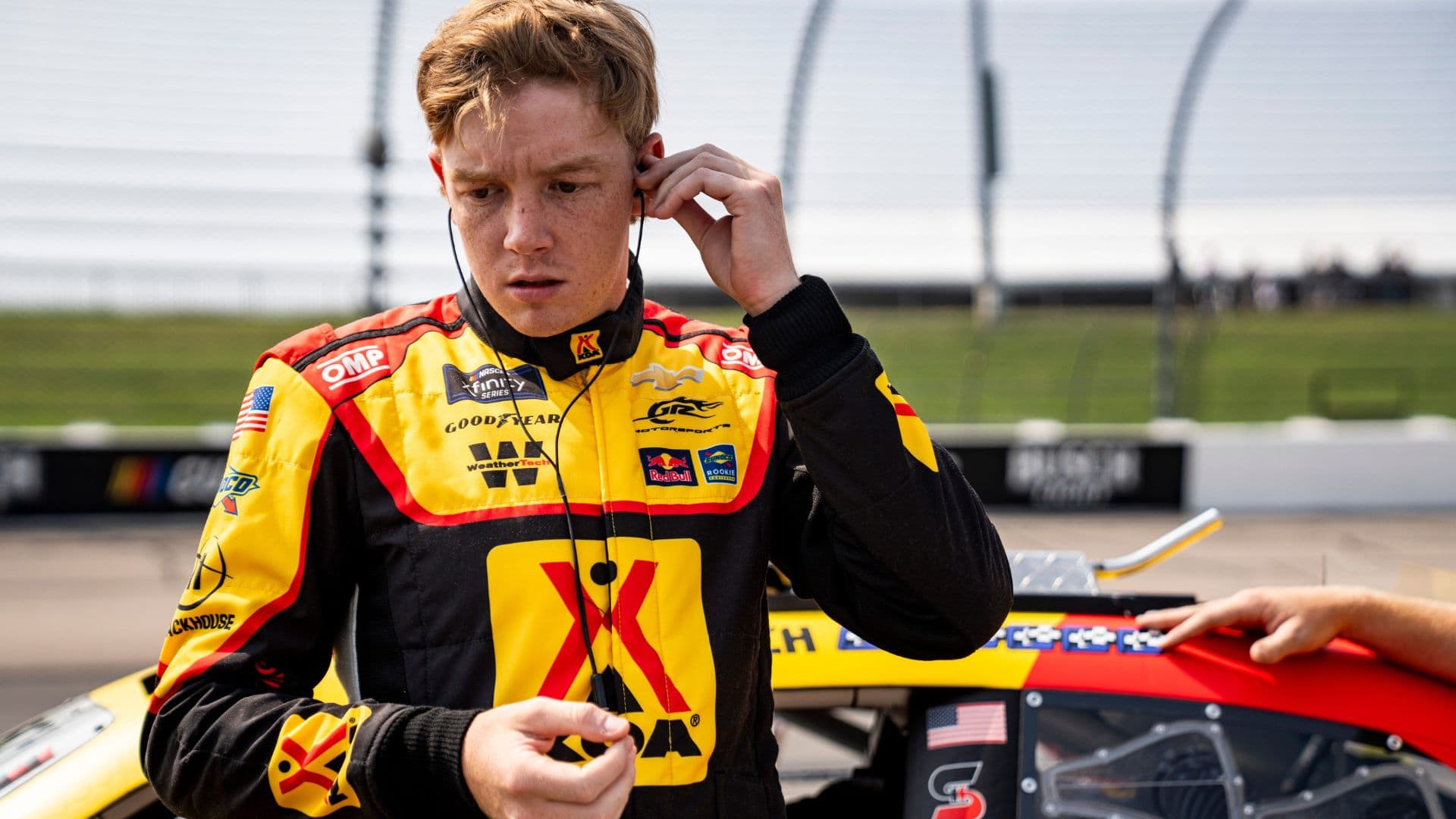
Connor Zilisch stepped onto the NASCAR Cup Series stage for the first time as a full-time driver during the Clash at Bowman Gray Stadium, and the experience immediately clarified what veterans across the garage had long described. He entered the weekend aware that the standard would rise sharply once he lined up against the sport’s top drivers, yet the reality of that jump now carried meaning beyond expectation.
Advertisement
The environment, the pace, the margins, and everything else backed lessons he had heard repeatedly, turning secondhand warnings into lived understanding. Drivers such as Noah Gragson, Austin Dillon, and Ricky Stenhouse Jr. came to the Cup level after cutting out success in Tier 2 competition, only to find that results did not transfer automatically against the Cup field. Zilisch recognized that pattern early.
Despite building momentum during his formative seasons, including a strong Xfinity Series debut in which he recorded 10 wins and finished second in the standings, Zilisch approached the Cup transition by seeking counsel from those who had already made the climb.
However, the Trackhouse Racing driver confessed, “Every Cup Series veteran says there’s nothing that can really prepare them for once they get to this level. And I’m curious, what has been the best advice and from who, from those who have done it, that you’ve kind of reached out to say, ‘Hey, what do I need to do to be like you guys?’
“I think everybody I’ve talked to has told me that it’s going to be harder than I expect it to be,” he added.
“I think after 10 to 15 guys that have done it have told me that, I think that’s when it finally starts to sink in, and you realize that ‘OK, maybe these guys aren’t lying to me.’ I’ve definitely gotten some great advice from a lot of people. But overall, I’d say the biggest thing is just to not let the stress and pressure of racing at the highest level overcome the amount of life lessons and the enjoyment of living out your dream.”
So, regardless of how demanding the schedule becomes, regardless of stretches filled with setbacks or progress, Zilisch will prioritize remembering the path that brought him to this point. He intends to see each weekend as part of a goal realized long before he reached the Cup grid and remind himself of the value of the opportunity instead of fixating on outcomes alone.
Zilisch has entered his rookie campaign without placing the burden of immediate championship contention on his shoulders, although he did acknowledge the desire to work toward that possibility over time. Instead of assigning numerical targets for himself, Zilisch has chosen control.
The volume of unknowns surrounding a first Cup season, from race formats to team dynamics, made fixed expectations difficult to define. Without clarity on what each weekend might demand, he opted against benchmarks that could distract from development.
At this stage, Zilisch is going to approach the season focused on learning and participation, aware that racing against NASCAR’s elite will test him in ways last year did not.