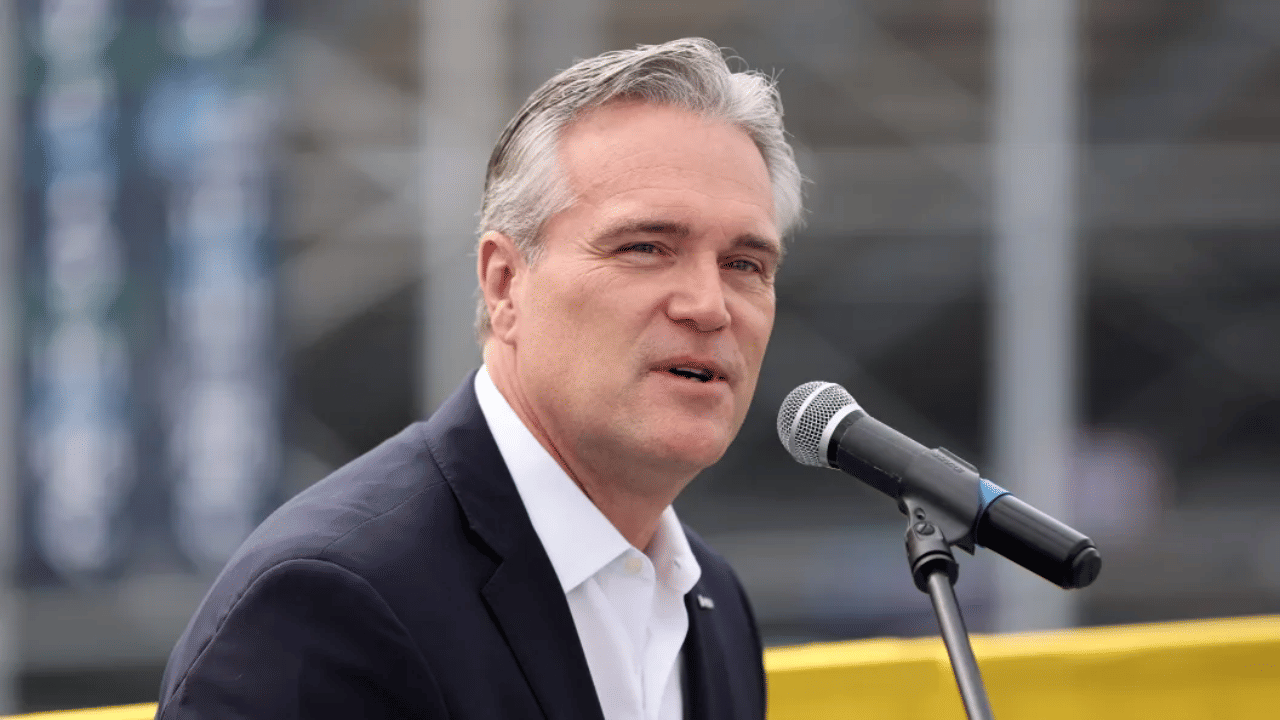
NASCAR has yet to announce the revised championship format for the 2026 season, even as expectations point toward a January rollout. In a recent exclusive conversation with Epartrade, NASCAR Executive Vice President and Chief Racing Development Officer John Probst offered an inside look at how the sport is approaching the same, outlining the evolution of the playoff system and several layers of consideration that shape its decisions.
Advertisement
Probst explained that determining a championship format follows the same disciplined process as any significant rule change NASCAR undertakes. Whether the discussion centers on rules packages, horsepower adjustments, or competitive balance, the starting point remains the same: gathering comprehensive feedback from every corner of the ecosystem.
At the heart of that process sits the fan base, whose voice carries notable weight when officials consider changes that affect the sport’s identity. According to Probst, whenever decisions of this magnitude reach the table, NASCAR brings together a broad cross-section of stakeholders. broadcast partners, original equipment manufacturers (OEMs, aka Manufacturers such as Ford, Toyota), team ownership groups, and fan representatives all have seats in the room.
As he put it, “We have broadcast in there. We have our OEMs. We have our team partners. And as I’d mentioned earlier, our fans and the playoff discussion is no different. We hear and pay attention to a lot of the feedback that we get through social media in various directions that come our way.” That steady stream of input, he emphasized, helps ensure the process remains grounded rather than insulated.
Probst also credited Tim Clark, NASCAR’s Chief Brand Officer, for assembling a “blue ribbon panel,” one that pulled together voices from across the sport’s spectrum. Media members, fans, and both current and former drivers contributed perspectives.
He stressed that the legitimacy of any championship depends on universal buy-in, with drivers fighting for the title viewing it as a true accomplishment, and fans recognizing it as meaningful. Without that shared belief, the trophy loses its weight.
With feedback now primarily collected, NASCAR officials have turned inward. The information-gathering phase concluded, it has allowed decision-makers to evaluate the full range of options.
Those possibilities span from a traditional 36-race championship to revised playoff models that adjust the current structure without abandoning it entirely. Probst also acknowledged that thoughtful arguments from veteran drivers or fans on social media do influence the conversation.
The official believes the process will ultimately land on a solution that best serves the sport, striking a balance between competitive integrity and entertainment value.
He admitted that compromise often becomes part of the equation, but emphasized that the goal is to protect the sport while keeping it compelling. While NASCAR has already confirmed that the championship race will move to Homestead-Miami next year, Probst hinted that fans should expect more innovation ahead.