
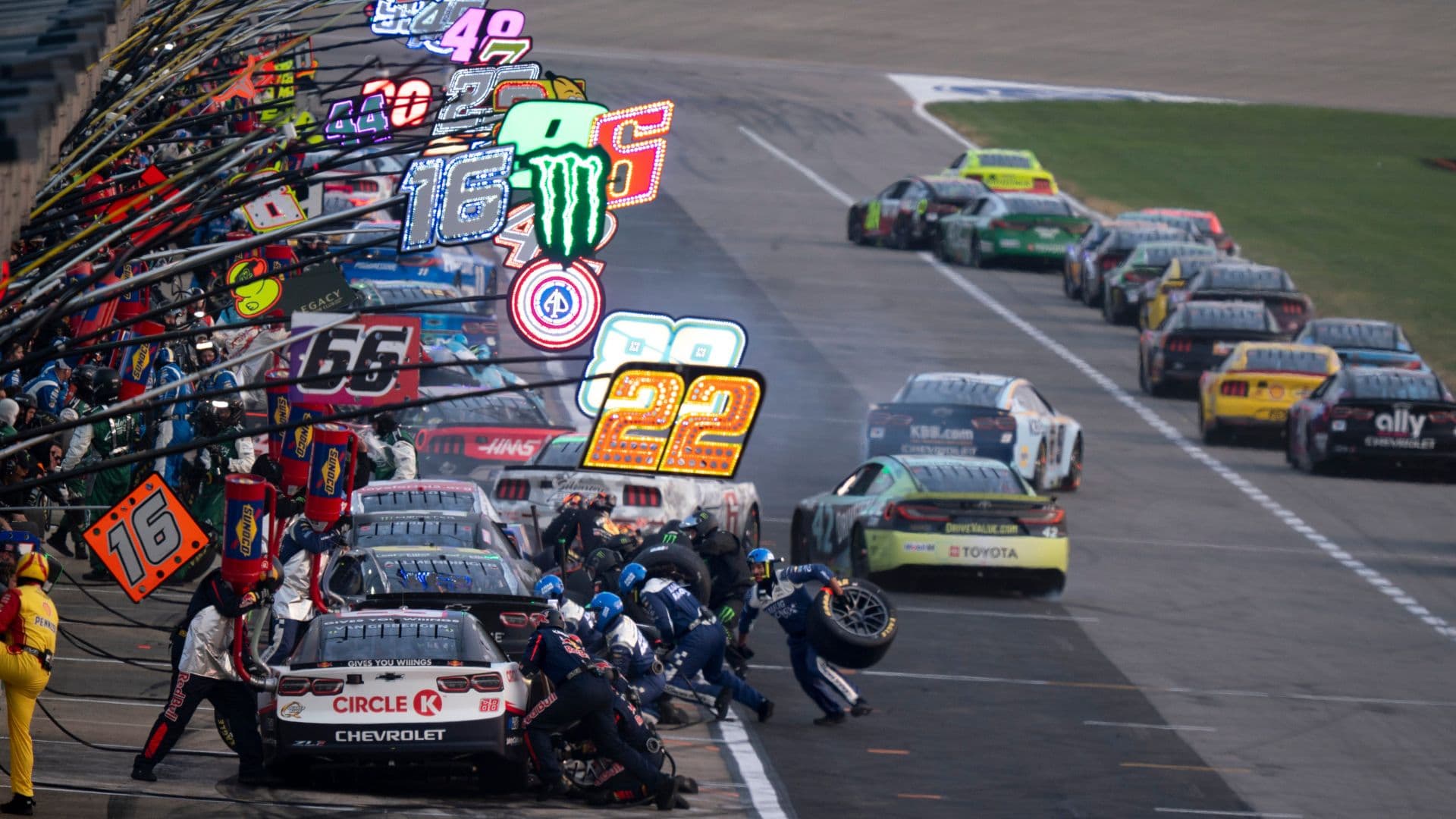
The future of the Nashville Fairgrounds Speedway still hangs in the balance as different groups within the community demand different outcomes. One group wants racing to be eliminated from the venue and the land be used for a better purpose. Others want the history of the track to be preserved and racing to continue.
Advertisement
The LiUNA Local 386, a union of 1,000 construction and service workers, belongs to the latter group. It recently launched a campaign protesting against the effort remove auto racing as a protected activity in the city charter and targeted future development at the track. The goal was to ensure that any effort at development protects local jobs.
It also wants taxpayers to bear no burden because of such redevelopment. Going to races at the speedway is considered to be one of the few affordable activities left to do in the city, and the members of the union don’t want to see it gone. The words of Ethan Link, the union’s business manager, sum up the emotion well.
Link said in a press release, “The Nashville Fairgrounds and Speedway have always been a place where working Nashvillians could gather, celebrate, and participate without being priced out. Any development on public land should protect affordable, accessible spaces, create good local jobs, and make sure the people who work and live here are the ones who benefit.”
Who is the union fighting against?
Before LiUNA took its stand, a group of Nashvillians took the first steps towards pursuing a petition that would remove racing as a protected activity at the fairgrounds. A serious renovation proposal for the track was opposed by Nashville SC owner John Ingram as well. What these opposers want is to build affordable housing on the land on which the track now sits.
But Mayor Freddie O’Connell’s opinion on the matter serves as a suitable rebuttal to that argument. He said that Nashville already has over 500 acres of land available for housing development elsewhere in the county and that it wasn’t necessary to tear down the race track for that purpose.
The official release from his office read, “Nashville does not have to choose between housing and history. There are better places to build housing without sacrificing a historic asset that generations of Nashvillians have shared.” While this contention will be appreciated by the members of the labor union, it remains to be seen what comes at the end of it all.