One of the things that makes NASCAR so exciting is the variety of tracks and venues on the calendar. Martinsville, where the series travels this weekend, with its 0.52-mile layout and 12-degree first turn, is similar to most short tracks on the schedule. And yet, it possesses a unique trait that sets it apart.
Advertisement
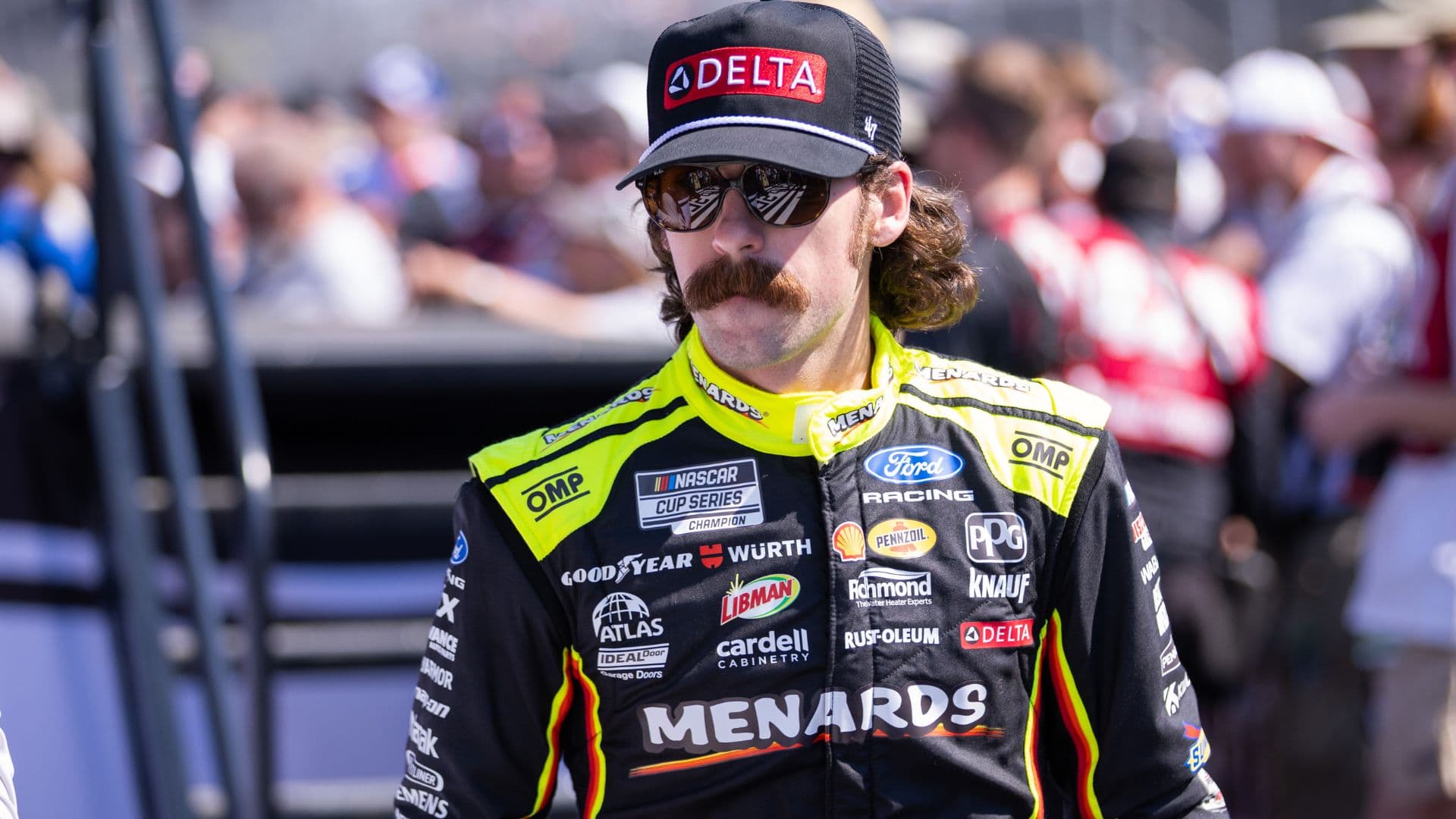
The minimal banking in the first turn is very flat by NASCAR standards, and the track also features asphalt straights with concrete corners. However, Team Penske’s Ryan Blaney feels that the approach used at similar tracks like Bristol cannot be applied at Martinsville.
In a press conference, Blaney said, comparing it to Bristol, “Even though they’re the same length, they’re 180 different from each other. There’s a lot of shifting at Martinsville, and I feel that while you’re chasing lanes at Bristol, there’s more brake technique at Martinsville.”
He also considers Bristol to be a higher-speed track that requires extra commitment, while Martinsville is a track that tests patience more. Blaney doesn’t find any technique that he can take from one and apply to the other.
Bristol is almost similar in length to Martinsville, with its concrete stretching 0.533 miles. Where it is most different is in the banking angle. It has steep banks that fall from 24 to 30 degrees. That makes for very high-speed cornering. Martinsville, on the other hand, demands heavy braking.
What makes Martinsville unique and challenging
The track has the shape of a paperclip, with two long straightaways and two very tight corners. The turns are much like the hairpin ones on road courses, except they are on an oval track. Several iconic drivers have described Martinsville as two dragstrips connected by a pair of hairpins. That’s a deadly combo, if any.
A driver braking too late at Martinsville would slide up and lose position. If he brakes too early, a competitor would dive under and risk collision. All the heavy braking that the track demands could also cause the car’s rear wheels to bounce at times and cause the car to spin. More challenges include traffic management and intense mental and physical fatigue.
Darrell Waltrip, who won 11 races on the track, said in 1988, “It’s a pretty exciting place to race. If you can race 500 laps and be guaranteed of no brake problems, you will see a totally different race.”
From Richard Petty to Dale Earnhardt, even the best in the sport have had a tough time taming Martinsville. So, the upcoming event won’t be an easy one to just ride through. The new short-track package in action, it will make for a very engaging and entertaining watch.