
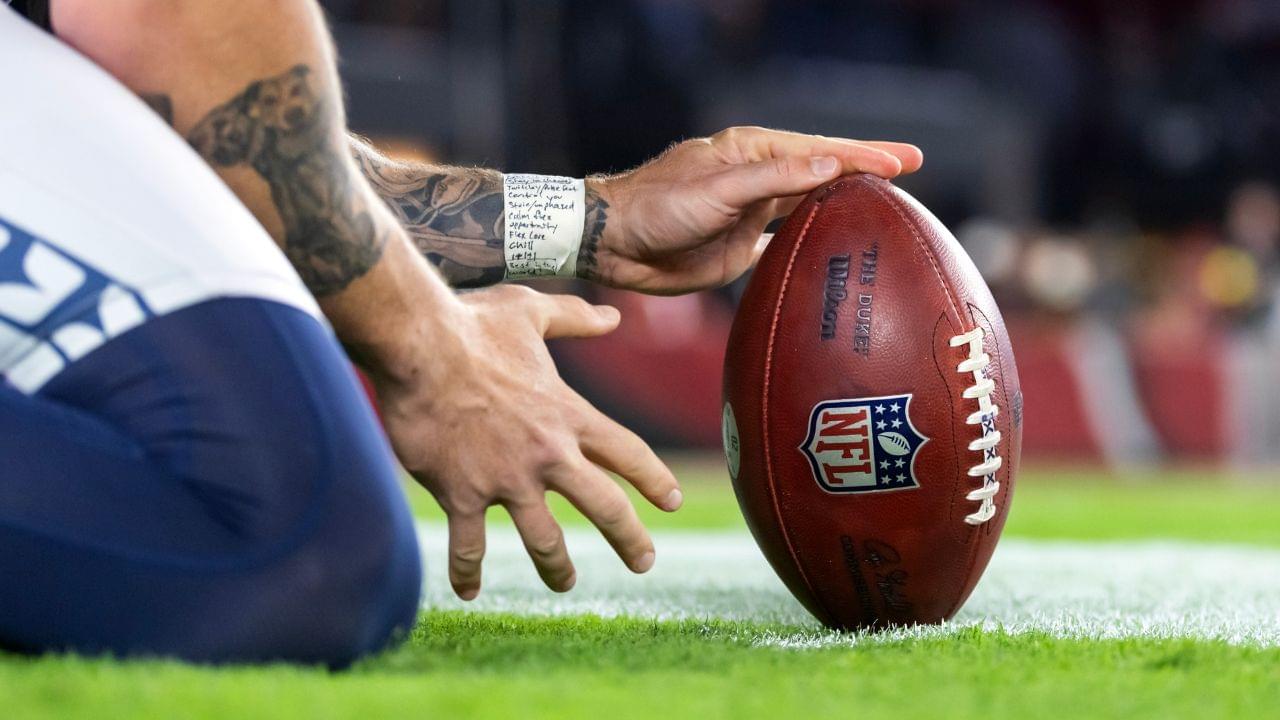
The National Football League has succeeded in blocking the public release of the NFL Players Association’s annual team report cards, but the ruling has still revealed key criticisms about how players view their teams.
Advertisement
The league filed a grievance against the NFL Players Association, arguing that the report cards violated Collective Bargaining Agreement rules limiting public criticism of clubs and owners. Arbitrator Scott E. Buchheit ruled that the NFLPA may continue collecting and sharing the surveys privately with players, but can no longer publish them publicly.
However, Buchheit’s 26-page ruling included examples of the complaints the NFL wanted kept quiet, effectively putting several teams’ issues on record. Among the most notable were the New York Jets, whose players said management responded to past feedback by making conditions worse.
According to the ruling, the team cut its food budget and failed to retain a longtime dietician after receiving poor grades the year before. Players also gave owner Woody Johnson the lowest ownership score in the league, citing weak leadership and a lack of investment in facilities. The Jets’ ownership grade was an F, making them one of the lowest-ranked organizations overall.
Players with the Kansas City Chiefs raised different concerns. Despite the team’s on-field success, they continued to push for locker room renovations and criticized their home-game hotel as outdated, uncomfortable, and poorly maintained. The hotel was described as the worst in the league, with dirty floors and uncomfortable beds. While the Chiefs earned strong marks for coaching under Andy Reid and for nutrition, their low facility and travel grades dragged down their overall ranking.
Other teams mentioned in the ruling, including the Arizona Cardinals, Bengals, Patriots, Bills, and Panthers, were criticized for issues ranging from poor family treatment to outdated travel and facilities, but those details were secondary to the league’s main targets: the Jets and Chiefs.
The report cards, first introduced in 2022, graded teams on food, facilities, medical care, travel, family treatment, coaching, and ownership. They quickly became one of the few public accountability tools for players. Several teams made upgrades after poor grades, which is why many owners pushed back.
By winning the grievance, the NFL has limited transparency. The NFLPA can still share full reports privately with players, but it can no longer release them publicly. Whether those results stay private is another matter. With more than 1,700 players across the league, leaks are likely. And thanks to the ruling itself, much of the criticism is already out.