


Max Verstappen Admits Only a ‘Talented’ Driver Cannot Win Races, Car Performance Is Definitely Vital

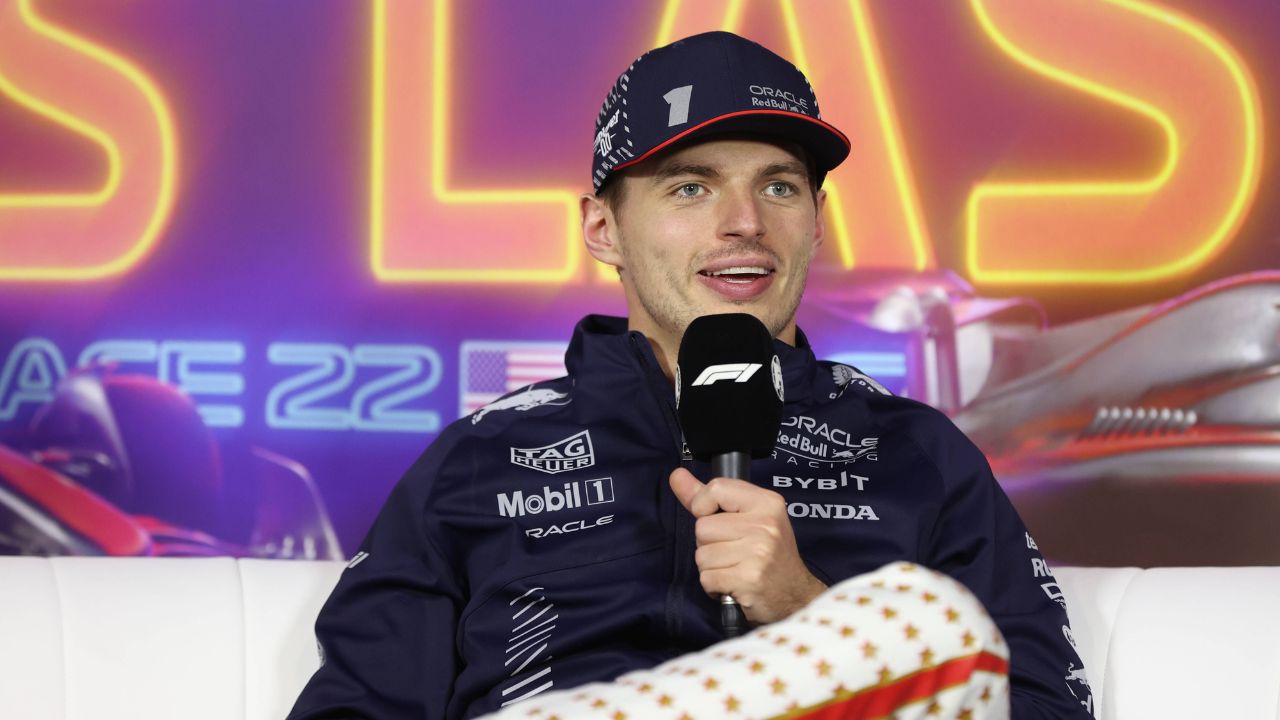
In Formula 1, there has long been a debate about how to strike a balance between a driver’s ability and the capabilities of their vehicle. This ongoing discussion explores the subject of whether a driver’s superiority on the track stems more from the quality of the machinery they control or from their own personal skill. Reigning F1 champion Max Verstappen has recently shared his thoughts about the same in an interview with Auto Motor und Sport (AMuS).
#AMuS The Red Bull wears the tires the least. How much does the car play and how much do you as the driver play?
Verstappen: You definitely need a car that handles the tires carefully. Otherwise you are lost. You can see it in Haas. I don’t think Nico and Kevin are idiots.
— Junaid #JB17 (@JunaidSamodien_) January 4, 2024
In the interview, the Dutchman was asked about the favorable tire wear that Red Bull have over Haas, for example. In reply, the 26-year-old said, “You definitely need a car that handles the tires carefully. Otherwise, you are lost. You can see it in Haas. I don’t think Nico and Kevin are idiots.”
Max Verstappen then highlighted that although drivers possess the necessary skills to manage tire degradation during races, the crucial foundation is rooted in the car’s design. He emphasized that when the car excessively stresses the tires, a driver’s options become limited.
However, in conclusion, he suggested that a driver can gain an additional tenth or two per lap by paying closer attention to tire management. Verstappen is specifically alluding to Haas’ mid-season challenges with tire degradation.
During this period, Haas faced rapid tire deterioration, primarily attributed to frequent braking. Similarly, Ferrari, despite encountering relatively fewer strategic problems, also suffered from tire degradation.
How tire degradation depends on a racer’s driving style?
Effective tire management is a critical factor for both individual drivers and teams aiming for success in Formula 1. In the past two years, Red Bull Racing has emerged as a standout performer in this aspect as they have capitalized on their skillful handling of tire compounds to dominate the sport.
However, beneath the surface of this mastery in tire management lies a meticulous consideration of various factors involved in car setup. At the forefront of tire management considerations is the critical decision of tire selection.
It is a pivotal choice that shapes overall performance and necessitates a profound understanding of the current track conditions. The second factor, tire temperature, is meticulously regulated by teams using tire blankets to bring them into the optimal operational range on the starting grid.
Nonetheless, of equal significance is the influence of car setup on tire degradation, where drivers frequently fine-tune parameters such as brake bias to minimize wear. Moreover, the manner in which a driver approaches racing significantly contributes to the well-being of the tires.
An adept and composed style, characterized by smooth exits from corners and judicious application of power, emerges as a crucial factor in elongating the tire lifespan. Conversely, more forceful manipulation of the steering wheel can increase tire movement, heightening the potential for damage.
About the author


-
Anirban Aly Mandal •
“The Team Would Never Let Me Win”: Jarno Trulli Blames Flavio Briatore-Fernando Alonso Nexus for 2004 Debacle
-
Anirban Aly Mandal •
Frederic Vasseur Slammed by Ex-Ferrari GM for Picking Lewis Hamilton Over Adrian Newey
-

Neha Dwivedi •
WATCH: Kurt Busch Turns Up in Austin as F1’s Lando Norris Drops New Monster Energy Flavor
-

Aishwary Gaonkar •
“They Think I’m an Idiot”: Ted Kravitz Accepts -7 Rating on His F1 Show With Jacques Villeneuve
-
Vidit Dhawan •
Amidst Mohammed Ben Sulayem’s Call to Scrap, Zak Brown Hails “Gamechanger” Cost Cap for a “Healthy” F1
-
Anirban Aly Mandal •
Esteban Ocon Gives a Tour of His Road-Legal Rally Car Tuned by 8x World Champion Sebastien Ogier