


“Make Us More Vulnerable”: Neuroscientist Dr. Andrew Huberman Reveals the Truth Behind Exercising During Sickness

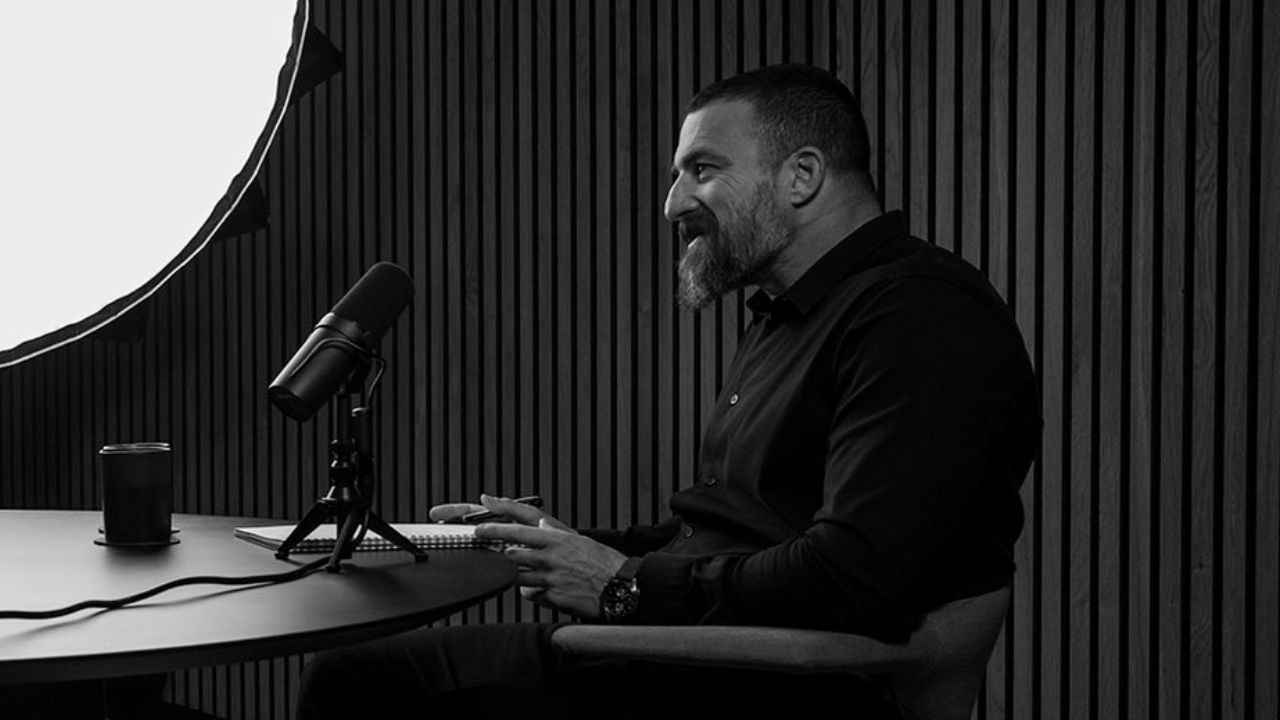
A change in weather conditions or lifestyle choices often leads to the immune system acting up. This might result in colds, flu, and various other illnesses that one must combat. One of the popular thoughts surrounding boosting immunity is exercising. But neuroscientist Dr. Andrew Huberman weighs in on the realities of that idea.
Exhaustion, tiredness, and lethargy often precede the onset of cold and flu. The neuroscientist pointed this out and highlighted how innate immune systems and their responses could vary from one individual to another. But if one is exhausted owing to sickness, is it wise to exert one’s body with exercise?
Dr. Huberman introduces his opinion with a disclaimer on how he champions exercising for a better immune system in general. He has a strict routine that he swears by, and he believes that exercising helps in more ways than one. However, he made a bold observation.
“I think there are certain intensities and durations of exercise that make us more vulnerable to colds and flu.”
While exercise in itself isn’t bad, the neuroscientist believes that intense activities could do more harm than good when the body is already struggling with its energy levels. This means that instead of exertion, one needs to rest and recover to help the innate immune system fight better.
“If you’re feeling that general malaise across your whole body, it is fairly likely that you’re coming down with something, and that your best response to that would be to go home, take a hot shower… and then get into bed early.”
The prime indicator of this fatigue or malaise is feeling run down and a tickle in the throat. Dr. Huberman explains how this is a response to the release of certain chemicals and receptors in the brain that generate a state of sleepiness.
But the question then shifts to what exercises one could do to prevent the onset of colds and flu. Is there a way to reduce the intensity while keeping the effectiveness intact? The neuroscientist provided some solutions.
Exercise for preventing colds and flu by Dr. Andrew Huberman
While it is not wise to subject one’s body to intense activities while immunocompromised, Dr. Huberman suggests what could be done to prevent such a situation. The key is to increase circulation within the innate immune system.
View this post on Instagram
The neuroscientist suggested a 60-minute or less exercise session. This shouldn’t be an activity that would push muscles to failure, but it should be intensive. It ensures the proper functioning of the brain and body and keeps one healthy and fit. Thus, the innate immune system keeps sickness at bay.
About the author


-

Radha Iyer •
Dr. Eric Berg Compares Dry and Water Fasting for Efficient Fat Loss
-
Brandon Gabriel Isaacs •
Dr. Peter Attia Joins Hands With Dr. Mike Joyner and Sheds Light on How to Improve Your VO2 Max
-
Radha Iyer •
Dr. Andrew Huberman Teams Up With Fellow Neuroscientist to Reveal the Quality of Social Interaction Through Social Media
-

Radha Iyer •
Dr. Peter Attia Slams Classification of Cholesterol Revealing Its True Nature
-

Radha Iyer •
Neuroscientist Dr. Andrew Huberman Warns Against Six Red Flags for Oral Health
-
Radha Iyer •
Dr. Andrew Huberman Once Highlighted the Importance of Red Light Therapy in Ophthalmology