


What Are Safer Barriers in NASCAR? History and Details Behind NASCAR Safety Measure

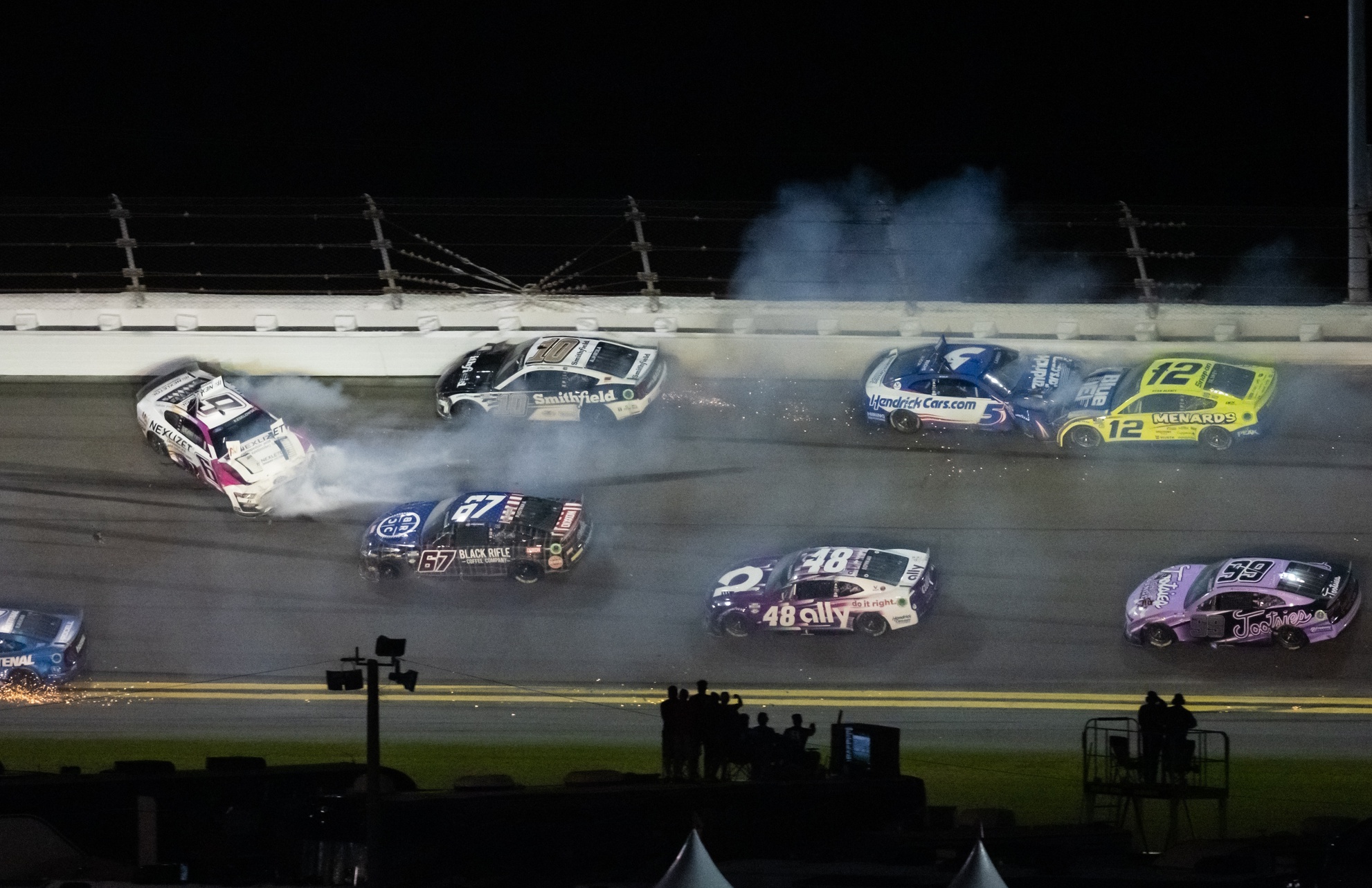
The risk of frequent and gruesome contact that lurks in the alleys of a high-speed, dynamic sport like NASCAR is not something new. Ironically, that is what the fans love the most about this sport; its daredevilish nature. But that uncontrollable need for speed often endangers the lives of the athletes. And perhaps that is why the SAFER Barriers were introduced in the sport.
Back in the day, the officials used almost anything, starting from sand dunes and wooden fences to sheets of plywood and a stack of tires to minimize the impact. And they were somewhat content with it until 2001, when the sport lost one of its brightest stars, Dale Earnhardt Sr. during the final lap of the Daytona 500.
Less than two years after Earnhardt’s death, NASCAR opened its R&D Center near the Charlotte Motor Speedway. Among other things, the 60,000-foot facility was aimed at examining the remains of cars involved in serious accidents through a laser-equipped inspection apparatus. Although that was the formal start of the introduction of the SAFER Barriers, better known as ‘soft walls’, it was not the first time that people had started working on introducing the life-saving walls.
In May 1998, the Indianapolis Motor Speedway conducted an experiment with the Polyethylene Energy Dissipation System (PEDS). Placed meticulously along the insides of the wall between turn four and the inside wall of the pit lane, the PEDS were supposed to bring down the risk of deaths from high speed impacts.
A few months later, two-time Indy 500 winner Arie Luyendyk hit the PEDS head-on in an IROC race and escaped with a minor concussion. This gave the officials a notion that PEDS could actually work.
Former IndyCar president Tony George partnered up with the then NASCAR executive Bill France Jr. and between 1998 and 2002, invented the SAFER (Steel and Foam Energy Reduction) barrier in the Midwest Roadside Safety Facility at the University of Nebraska.
Why were the SAFER Barriers introduced?
The risk of death from a high speed impact situation is certainly unacceptable. But there’s another risk besides the risk of losing lives while driving. It’s the risk of losing lives while watching the sport. And for the ex-driver and former NASCAR official Brett Bodine, that should never be the case.
According to him, keeping the spectators safe from a car ramming into the grandstands or the debris must be everyone’s priority. Interestingly, the SAFER Barriers were first tested to ensure the safety of the spectators, not the drivers.
However, even after all these years, several tracks still do not have these barriers in the most needed spots. NASCAR is a dangerous sport and protecting the drivers as well as the audience is a must. Looking into the future, we can only hope that every race track in NASCAR’s roster ensures that every nook and corner of their facilities is covered with feasible safety measures.
About the author


-
Srijan Mandal •
“I Don’t Really Feel Like I Belong on That List.”: Matt Kenseth Makes Honest Admission on NASCAR Honor
-
Jerry Bonkowski •
Kyle Petty and Steve Letarte Want the Real Kyle Larson to Stand Up
-
Neha Dwivedi •
Kyle Busch Names His Pick to Replace NASCAR Commissioner Steve Phelps
-
Gowtham Ramalingam •
“The Race Was Manipulated”: Kenny Wallace in Brad Keselowski and Mark Martin’s Corner Over Martinsville “SH*T Show”
-
Soumyadeep Saha •
Ryan Preece’s Horror Daytona Flip Finally Leads to Much-Needed NASCAR Change
-
Neha Dwivedi •
NASCAR Team Ownership With Michael Jordan Has Led to Denny Hamlin Giving Up On His Precious Golf Time