


F1 Photographer Reveals Two Races That Require Drivers to Use Armored Vehicles for Safety

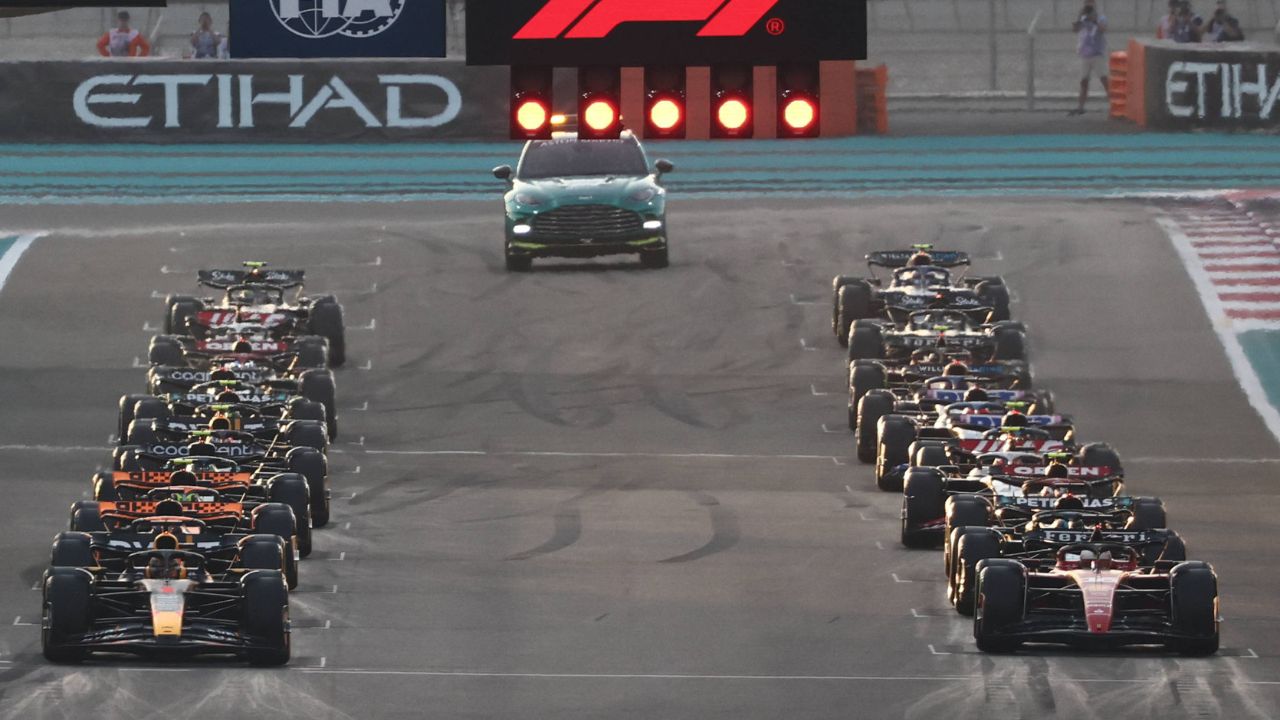
F1 drivers are among the world’s most popular athletes, instantly recognizable almost anywhere they go—especially at race venues. To prevent them from being swarmed by fans seeking photos or autographs, certain security measures are put in place. However, in Mexico and Sao Paulo, these precautions are taken to an even higher level.
Veteran F1 photographer Kym Illman revealed that drivers get to the tracks in these two countries in armored cars and police escorts. A bit of an overreaction? Certainly not.
In the past, there have been incidents in these two venues, with people working within the F1 fraternity getting directly affected. Illman recalled how in 2017 Mercedes employees were robbed at gunpoint in Brazil, as was one of his friends a few years later.
Even former F1 supremo Bernie Ecclestone’s mother-in-law was kidnapped in Sao Paolo several years ago. Crime is high in both Mexico City and Sao Paolo, and although the fans in these two great cities are proud and passionate, drivers cannot interact with them as freely as they do in other countries.
Illman revealed how in Jeddah, Saudi Arabia, Oscar Piastri and his trainer Kim Keedle walked to the track from their hotel along with the general public on the way to the Corniche Circuit. In Mexico and Sao Paolo, however, that is out of the question.
What drivers do in Mexico and Sao Paolo
Normally, drivers use supercars, or any other vehicle of their choice to drive to tracks on race weekends. Some—Valtteri Bottas and Sebastian Vettel—have even cycled. But in Mexico and Sao Paolo, they board an SUV with armor plating, bullet-proof glass, and tires, and sit on the back seat—some even lie down, according to Illman.
Even Team Principals, who have become almost as popular as drivers thanks to F1’s growth over the last two years, have to travel to the tracks under enhanced protection. Illman revealed that arranging these SUVs for drivers and team bosses costs teams around $1,700.
This includes a security-trained driver capable of handling unexpected situations. The vehicles’ windows, Illman noted, are strong enough to withstand even machine-gun bullets, adding a rather daunting layer to what it takes for these drivers to simply reach the track and do what they love.
About the author


-

Somin Bhattacharjee •
“It’s getting harder and harder to defend Mick Schumacher”- F1 Twitter reacts to rumors of Haas removing the 22-year old German from the team
-

Anirban Aly Mandal •
Max Verstappen Recollects the “Beautiful” Moment When Mercedes’ Misery Turned Out to Be His Day of Glory
-
Sabyasachi Biswas •
Adrian Newey Follows Max Verstappen’s Footsteps; Sets Up Meeting with Mercedes
-

Shreya Sanjeev •
George Russell Is Not Gatekeeping the Sage Secret Behind His Viral Moment With the Internet
-

Somin Bhattacharjee •
Michael Schumacher’s Former Teammate Once Wanted to Humiliate Ferrari Because of Team Orders
-
Samriddhi Jaiswal •
When Helmut Marko lost his one eye and saw an abrupt end to his F1 career