


Daylight Savings 2024: Dr. Andrew Huberman Reveals Trick to Adjust to ‘Spring Forward’

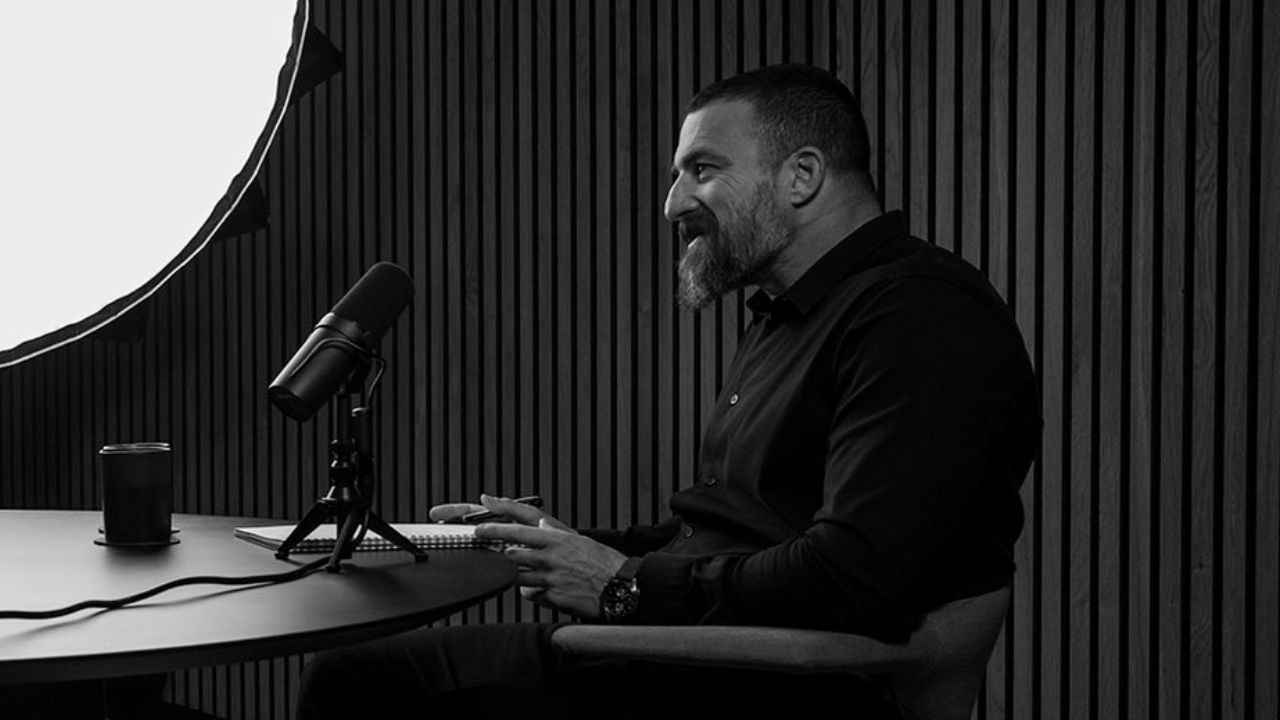
Daylight savings are around the corner, and one might struggle to adjust their bodies to the hour-long gap. That’s why neuroscientist Dr. Andrew Huberman devised a simple technique to combat the clock blues. He revealed his secret on how to cope with one’s changing circadian rhythm on X.
The biannual event will strike again on March 10th, when clocks around the United States will jump an hour forward, owing to the spring season. However, this also means that the body would need some time to adjust to the change in routine. Early sunrise and late sunsets could also lead to a decrease in sleep hours. For this, Dr. Huberman had the perfect solution.
As a quick fix, he suggested that one could exercise immediately upon waking up at their normal clock time. This practice would provide instant energy to the body, beating the grogginess of waking up at a different time.
Dr. Huberman also suggested performing the activity outdoors with sufficient exposure to sunlight. Since he has raved on quite a bit about sunlight and its benefits for the human body, combining that with exercising would multiply the results.
To adjust quickly to daylight savings, get up at your usual (clock) time & get 10-45min of exercise, ideally outside & facing the sun (if it’s out/rising/even if cloudy). The combined effects of bright light and exercise have a synergistic effect on circadian clock shifts.
— Andrew D. Huberman, Ph.D. (@hubermanlab) March 10, 2024
“To adjust quickly to daylight savings, get up at your usual (clock) time & get 10-45min of exercise, ideally outside & facing the sun…The combined effects of bright light and exercise have a synergistic effect on circadian clock shifts.”
To reap the benefits of sunlight in the most efficient way possible, the neuroscientist recommends keeping a check on the clock. He also highlighted the subject of making daylight savings permanent and opened the doors for a healthy discussion in a separate tweet.
“Understanding our circadian biology is crucial in this discussion.”
The DST has currently been trending not only because it’s time for Americans to reset their clocks but also because of the new Sunshine Protection Act. Regardless, one must understand the magnitude of the effect that sunlight has on the human body. That’s why Dr. Huberman often talks about it in various videos and podcasts.
Dr. Andrew Huberman sheds light on the morning and evening cycle
The circadian rhythm involves an individual’s sleep-wake cycle Depending on the time of the day, sunlight exposure could positively contribute to this routine, enhancing both sleep quality and energy levels. One can observe low-solar-angle sunlight early in the morning. This phenomenon releases unique wavelengths of light that kickstart the circadian clock of the brain.
They also help individuals sleep and wake up earlier. However, the opposite happens when one were to observe low-solar-angle sunlight in the evening. It contributes to staying and waking up a little later. To maintain balance, an individual must have exposure to both times.
About the author


-

Brandon Gabriel Isaacs •
“Could Reduce the Severity of Your Cold…”: Arnold Schwarzenegger Reveals the Truth About Whether Vitamin C Kills Colds
-

Radha Iyer •
Gary Brecka Revealed Insane Ability to Predict One’s Lifespan With a Simple List of Parameters
-
Brandon Gabriel Isaacs •
“It’s a Conqueror’s Mindset…”: David Goggins Joins Hands With Andrew Huberman in Explaining What It Takes to Be Great
-
Radha Iyer •
“Every Body Part Gets Hit Twice”: Dr. Andrew Huberman Reveals the Secret Sauce to His Stellar Fitness
-
Radha Iyer •
“Eating Up Your Own Intestinal Lining”: Dr. Andrew Huberman Pulls Back the Curtain on Intermittent Fasting With Popular Endocrinologist
-
Radha Iyer •
Gary Brecka Reveals a Step-by-Step Guide to Improving Cognitive Functioning in Kids