Before NASCAR changed its operational framework in 2020 as part of the COVID-19 protocols, drivers enjoyed generous practice windows on the track, logging one to two hours behind the wheel to get familiar with the circuit, their machines, and package configurations. And post-pandemic, the practice sessions continued to remain limited — a scant 20 minutes — as a measure to trim expenses.
Advertisement
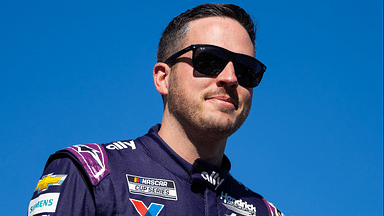
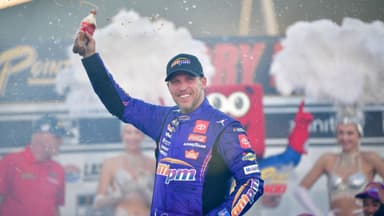
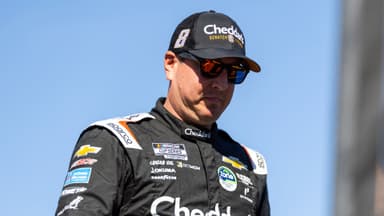
Drivers now lean heavily on simulator work rather than real-world track time. Some may be more at home with virtual testing. After all, there are many drivers on the grid, including William Byron, who entered the sport after developing their skill through online racing and video games.
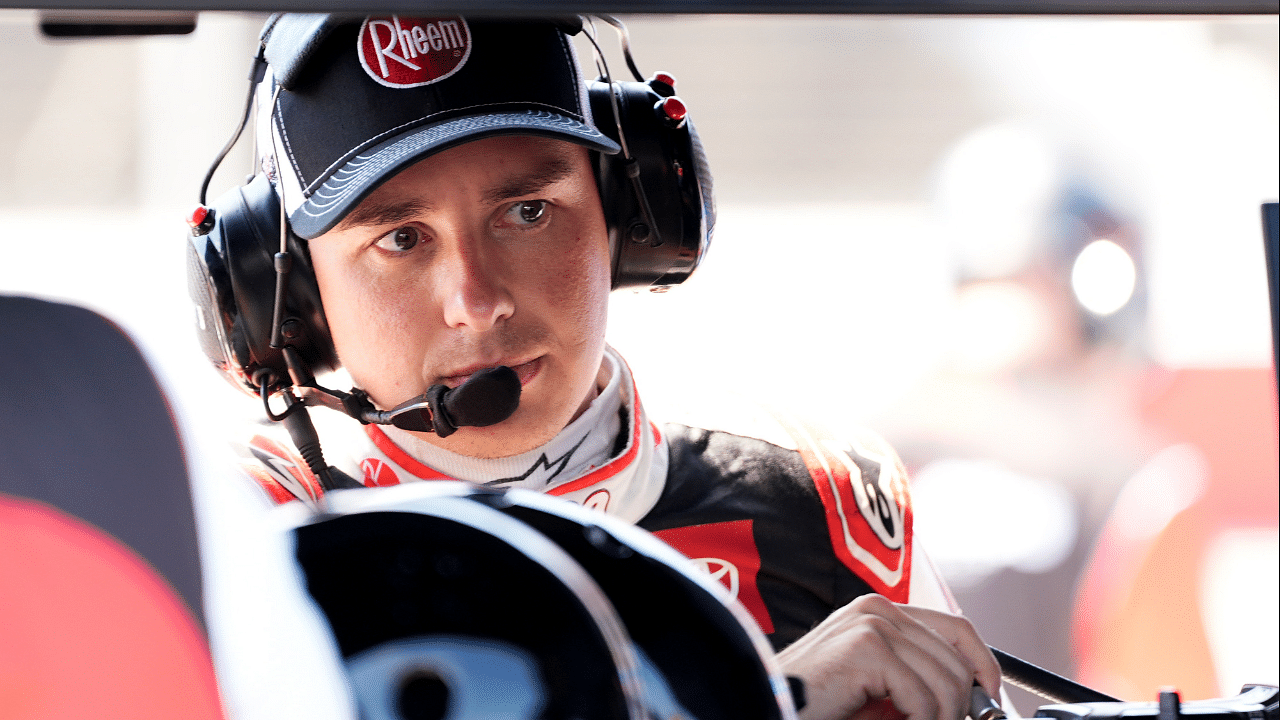
However, driving a stock car in competition is a different experience from virtual racing. For instance, drivers cannot simply hit reset and teleport back to where they crashed or restart the race from scratch in real racing. Christopher Bell recently used this point to highlight a significant pitfall of simulator practice compared to on-track sessions, which demand better awareness from drivers.
Real-world wrecks often inflict damage severe enough to eliminate cars from contention entirely or relegate them. That’s why Cup drivers have to approach simulator practice with the same discipline and caution they exercise during actual competition.
Bell presented this fundamental disconnect between virtual and physical racing. “So, one thing that the drivers love to talk about is the fear factor,” began the Joe Gibbs Racing driver.
“So, you come in here, and oftentimes you can run faster laps in the simulator than you can in real life just because you’re not going to wreck the car. If you do wreck, you tell him he’s going to hit the reset button, and so you’re willing to push it a little bit harder than you would in real life,” added Bell.
The 2017 Truck Series champion illustrated this by talking about the challenge drivers faced in Chicago. “Specifically, like the road courses, [the] Chicago Street Course is the one that comes to mind. It’s a super supertight track with walls on both sides. There’s no room for error,” said Bell.
“And you go in the simulator, and you’re just like, ‘Oh, I’m gonna hammer out a lap, and if I hit the wall, no big deal.’ And then you go to real life, and you have to like back it up a little bit. So, yeah, you have to make sure that you, as the driver, drive it realistically,” he added.
The temptation to drive beyond realistic limits in the simulator poses genuine risks to race preparation. Drivers must replicate driving techniques that they would employ on the track in virtual environments as well.
While simulators allow competitors to drift cars through corners at circuits like Phoenix, attempting such maneuvers during competition would trigger catastrophic wrecks. Managing a loose car in the simulator by controlling drifts might yield impressive lap times. But that approach could prove counterproductive on race-day conditions.
High-fidelity simulators are meant to enable drivers to master track layouts, experiment with setup configurations, and polish techniques without physical danger or financial implications. These systems help drivers build muscle memory and sharpen cognitive processing by replicating car behavior, track characteristics, and race scenarios, without the real-world hazards and costs associated with traditional testing.
The technology enables unlimited practice sessions that are impossible in conventional track testing. However, their effectiveness rests on how drivers use these tools. The technology itself merely provides opportunity. Extracting maximum benefit requires wisdom to practice with the same intensity and realism that competition demands.