


Do NASCAR Drivers Have to Sign NDAs With Their Teams? JGR President Sheds Light

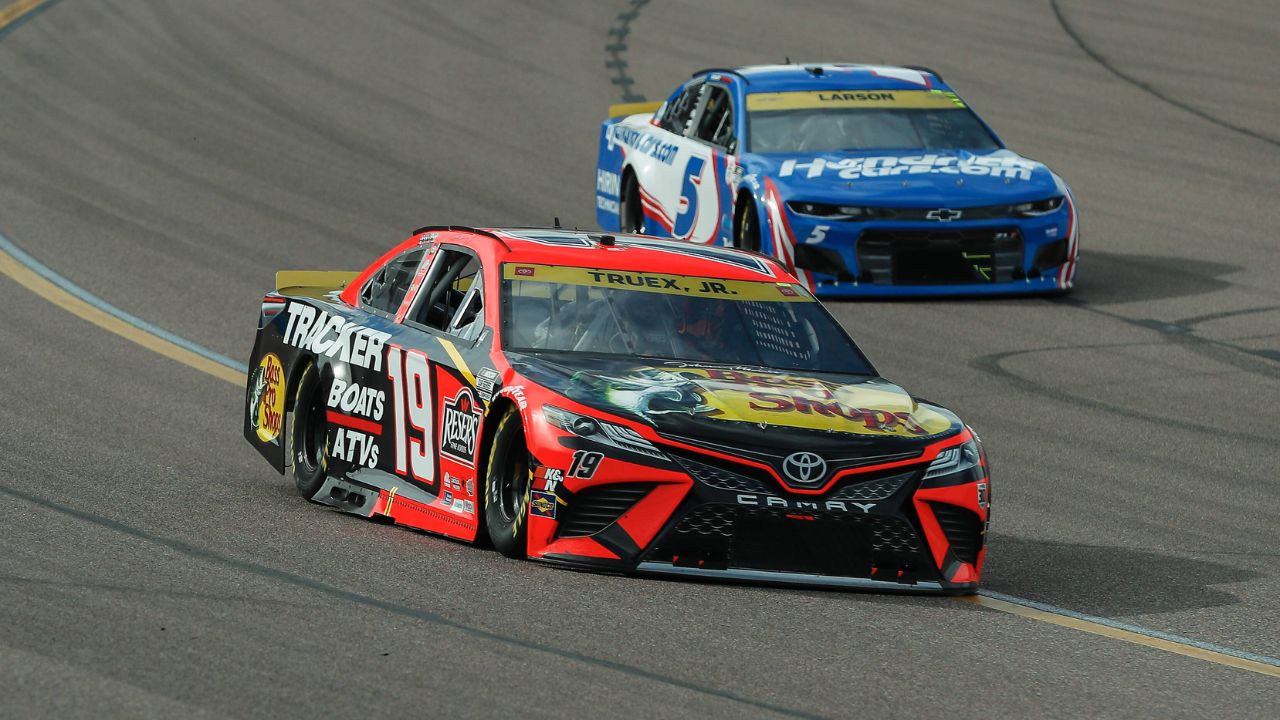
NASCAR’s upcoming format shake-up isn’t the only area tightening its rulebook. Inside race teams, too, there’s a labyrinth of internal policies that every employee must toe the line on, from crew chiefs to engineers and beyond. For instance, when Denny Hamlin’s crew chief was reassigned, he learned about it after the fact. It wasn’t a discussion; rather, management’s call, and he had to roll with it.
That’s the way the system works. But when it comes to keeping secrets under wraps, not every rule applies equally, at least not in the Joe Gibbs Racing team.
At JGR, confidentiality is treated with nuance. While most major organizations (in general) enforce Non-Disclosure Agreements (NDAs) across the board, JGR plays by a slightly different rulebook. Team President Dave Alpern recently lifted the curtain on how the storied operation handles its internal confidentiality.
“Truthfully, the answer is no. Not everybody does (sign NDA). And truthfully, it’s more of if you have an employment agreement, most of those have in there different things that might protect intellectual property from the employer. If you’re somebody that knows particularly proprietary information, then that’s probably going to be covered in your employment contract.”
He explained that while some employees’ contracts naturally cover sensitive information, others operate without formal NDAs at all. “Not everybody who works here has an employment contract,” he continued.
“It just kind of depends on what your job is. The best remedy is just giving everybody the Men in black thing when they leave, to kind of wipe everything from their memory. No, we don’t actually do that, but it would be cool if we did. But the answer is not everybody signs an NDA to work at Joe Gibbs Racing.”
An NDA, in essence, acts as a legal firewall, a security against the leakage of confidential information, whether it’s technical data, driver analytics, or future business strategies. In NASCAR, where every millisecond on track can come down to a trade secret, these agreements carry real weight.
Teams often require NDAs to shield everything from car setups to simulation data, ensuring competitors can’t poach intellectual property.
When partnerships are on the table, mutual NDAs become even more critical. They allow open collaboration between teams and potential sponsors without fear of leaks. Likewise, suppliers, manufacturers, and contractors with access to proprietary engineering or research data often work under these same terms.
Engineers, too, are mostly bound by such clauses, especially when dealing with innovations that could later be patented or commercialized.
For a team like JGR, where innovation fuels results, information is as valuable as horsepower. Yet, its selective NDA policy indicates confidence in internal culture as much as in contracts. Probably, in JGR, loyalty runs deeper than paperwork, and trust may just be the strongest clause of all for them.
About the author


-
Gowtham Ramalingam •
Mark Martin Shares His Biggest Fear About Cleetus McFarland Racing at Rockingham
-
Gowtham Ramalingam •
Chevrolet’s 2026 NASCAR Body Might Have ‘Thrown Them for a Loop’ According to Kevin Harvick
-

Gowtham Ramalingam •
Denny Hamlin Lauds NASCAR’s Darlington Product as Just the One the Drivers’ Wanted
-

Neha Dwivedi •
Carson Hocevar Takes a Different Route than Most Drivers to Prepare for NASCAR Races
-
Neha Dwivedi •
Tyler Reddick “Was in Another Category”, Rues Brad Keselowski After P2 Finish at Darlington
-

Neha Dwivedi •
Connor Zilisch Describes How ‘Letting Go’ Can Often Mean the Key to Success at Martinsville