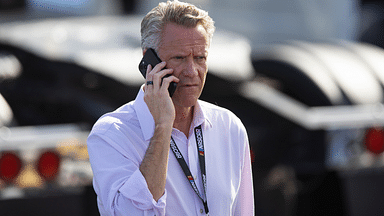
After two days of spotlight on Denny Hamlin, day three of the antitrust trial saw the focus shift to Bob Jenkins. The Front Row Motorsports owner offered a blunt, unvarnished look at how last year’s 112-page charter agreement landed on team owners’ laps with all the subtlety of a dropped anvil.
Advertisement
Jenkins recounted that he was out at dinner with his parents when the document arrived via email, demanding signatures by midnight. He didn’t even have cell service.
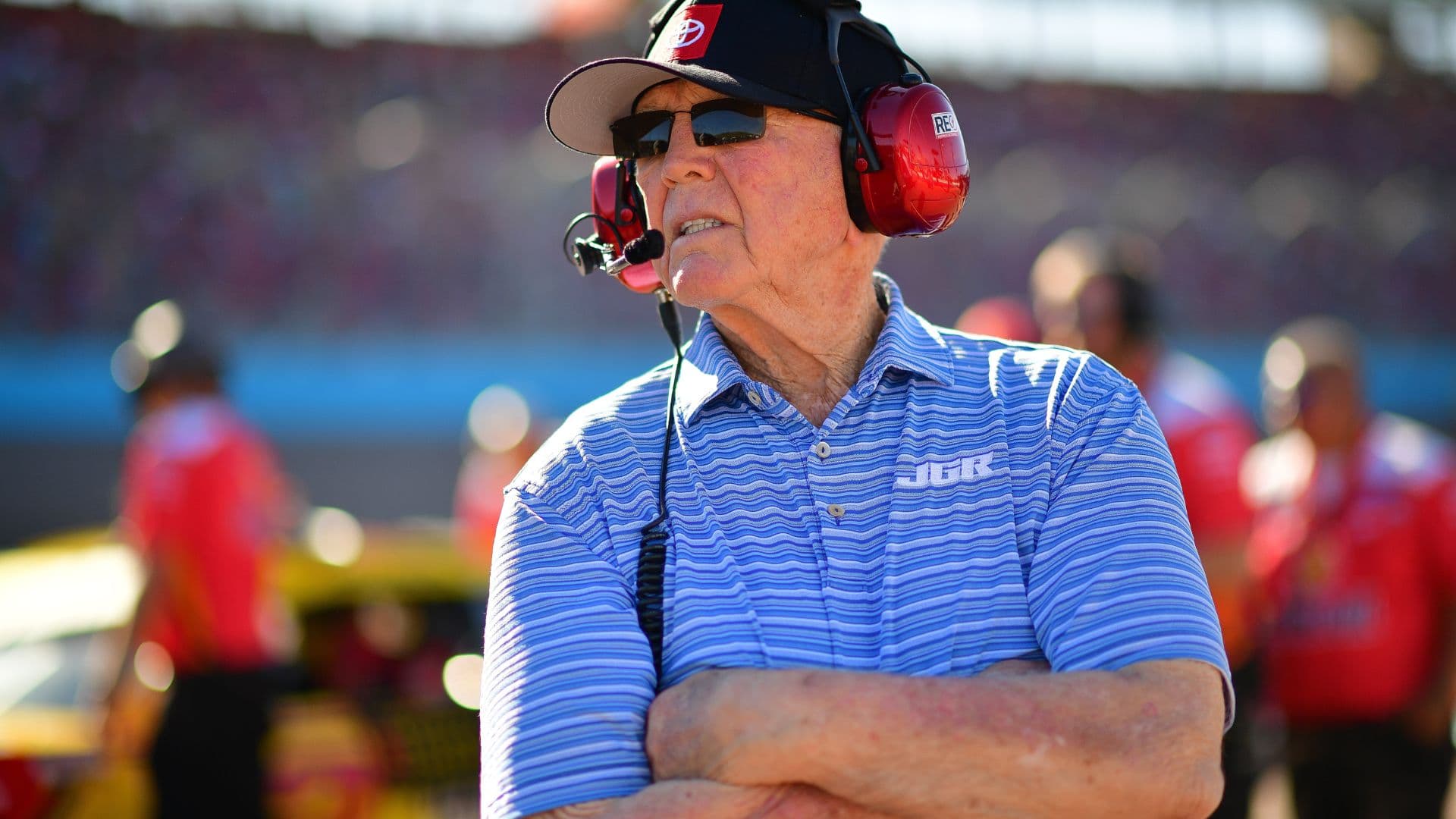
By the time Jenkins reconnected, his phone was flooded with missed calls and messages urging him to look at what NASCAR had just pushed across the table. Jenkins testified that he immediately reached out to several fellow owners, including Joe Gibbs.
According to Jenkins, the reaction was unanimous. “There was a lot of passion, a lot of emotion, especially from Joe Gibbs; he felt like he had to sign it. Joe Gibbs felt like he let me down by signing. Not a single owner said, ‘I was happy to sign it.’ Not a single one,” he testified.
NASCAR had dropped the charter agreements at 6 p.m. on a Friday and demanded signatures the same day. The window was so narrow it practically guaranteed no attorney on the East Coast could review a document of that size, spot the flaws, and negotiate changes before time ran out. Jenkins suggested the timing wasn’t accidental.
Many team owners, Jenkins said, operate $500 to $600 million facilities and rely on long-term sponsorships that don’t allow them the luxury of walking away from the table. NASCAR, in his view, understood that dynamic and played on it.
Jenkins requested an extension and received one, but NASCAR Commissioner Steve Phelps told him plainly that the additional time was just for review. The negotiations were over. NASCAR had no intention of reopening discussions or entertaining amendments.
Jenkins also testified that the decision weighed heavily on him as he hopes to pass Front Row Motorsports down to his four sons. He spoke with his two eldest about the offer and noted that at the time, 13 of the 15 owners had signed. NASCAR had assumed he would fold under the mounting pressure.
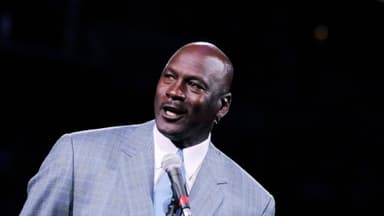
Instead, Jenkins held firm, convinced the charter offer was fundamentally flawed. When he learned that Denny Hamlin and Michael Jordan at 23XI Racing also refused to sign, he realized other owners saw the same red flags he did. That alignment ultimately led to Front Row and 23XI joining forces to take NASCAR to court.
Jenkins admitted he wasn’t enamored with the original 2016 charter agreement, either. But he still viewed it as a step forward for the health and stability of the Cup Series. The 2025 version, however, felt to him like a step backward.
He described it as NASCAR governing with an iron fist, likening parts of the agreement to taxation without representation. He, however, categorically stated that the lawsuit wasn’t a personal attack on the France family.
“They’ve made a lot of great decisions. This charter is not one of them… 100% of the owners think the charter system is good. The charter agreement is not,” added Jenkins, who then shared the harsh financial truth he faces.
Jenkins testified that he has never turned a profit since launching Front Row Motorsports in the early 2000s, despite winning the 2021 Daytona 500. He estimates he has lost roughly $100 million during that time.
Yet, Jenkins also emphasized why he remains committed: He grew up a NASCAR fan, joined the Dale Earnhardt fan club during his rookie year, and chased a dream that eventually led him to team ownership.
For Jenkins, the fight isn’t just business; it’s personal. And on day three of the trial, his testimony laid bare exactly why he refuses to sign a deal he believes could jeopardize the future of the sport as well as that of his family.