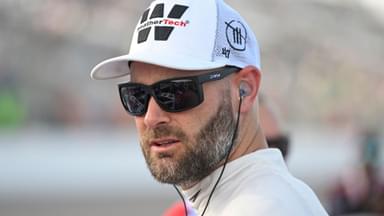
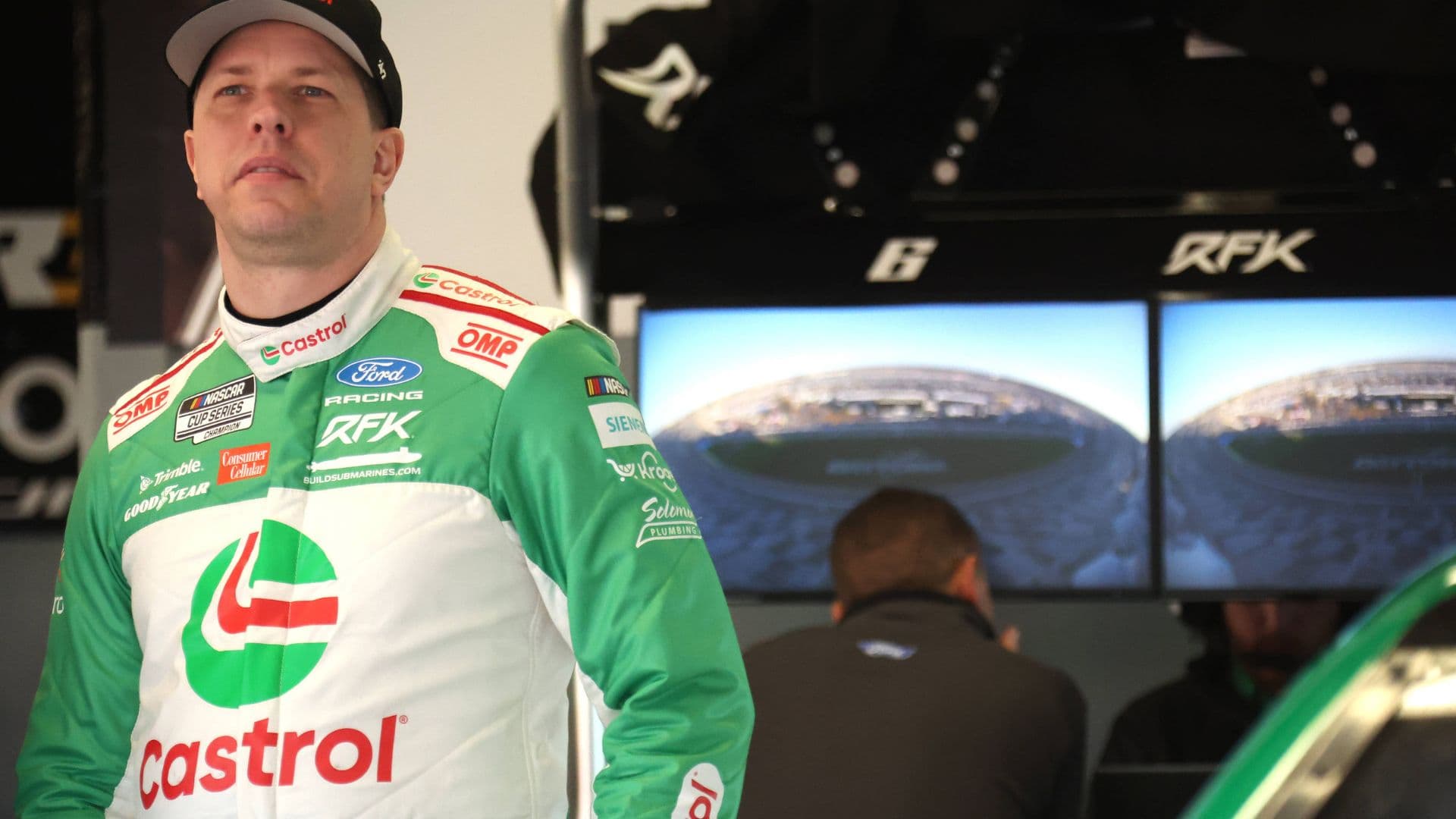
Heat loomed over the race weekend at Circuit of the Americas last Sunday as drivers in the NASCAR Cup Series battled rising temperatures in Austin. With air temperatures climbing into the mid 80s during the 95 lap event on the 20 turn, 2.4 mile circuit, several drivers reported failures in their cooling systems. That left team owners, including Brad Keselowski, wondering what more could be done to make conditions more tolerable for their drivers.
Advertisement
Keselowski himself left the race soaked in sweat, though he managed to bring his No. 6 Ford home in P20. For the RFK owner, however, the moment felt like déjà vu. During last year’s race at Circuit of the Americas, his cooling system had failed as well. Keselowski crossed the line in 15th place but required medical attention after stepping out of the car.
Crew members carried him from pit road on a stretcher before he received treatment at the infield care center. Team officials later said his cooling suit had stopped working and that he improved after receiving intravenous fluids. Having walked that road before, Keselowski knows what it feels like when the cockpit turns into a furnace.
Ahead of the race weekend at Phoenix Raceway on Sunday, he was asked how teams balanced driver comfort with car performance and whether cooling systems factor into that equation. Keselowski replied, “Our group, we let the teams have that autonomy of what they want to run, so if the driver wants to run a cool shirt, he runs a cool shirt.”
“And we try to provide the necessary engineering support to make sure that there isn’t an issue. I had one last year where we probably didn’t do a good enough job with that, and we came back in and buttoned it up. Cool suits are a tough thing because they’re not designed in our environment to fail to safe, so when they fail, it’s fairly devastating, and occasionally those things are gonna happen.”
The RFK Racing co-owner added that the situation was unfortunate and that teams continued to search for answers.
For now, however, no system has proven foolproof. In the garage, the issue remains a challenge in the NASCAR Cup Series. While outside temperatures matter, the heat inside the car can climb far beyond what fans feel in the grandstands. In the current car design, hot air from the radiator flows around the A-post and into the cockpit. During the Gen-6 era, teams often ran without a side window on road courses and short tracks to manage airflow. That approach no longer works with the current setup.
Windows now block hot air from the right side, but the left side remains open, allowing heat to enter the cockpit. The exhaust system also runs along the frame rails on the driver’s side, rather than underneath the car as in previous generations. Drivers cannot touch the exhaust, yet its location places a heat source closer to the seat than before.
The result is a cockpit that can feel like a pressure cooker once the race settles into a long run.
The effects of that heat became clear after last weekend’s race. Allmendinger bore the brunt of the conditions when his cooling system failed during the event. After climbing from the car, he dropped to his knees on pit road and later left the scene on a stretcher before receiving care at the infield medical center.
COTA heat episode sparked a reaction across the sport
Jordan Bianchi of The Athletic criticized the situation, questioning the reliability of the cooling systems and calling for greater scrutiny of the equipment drivers use. However, not everyone shared that view.
Shane van Gisbergen of Trackhouse Racing defended the sanctioning body and pointed out that cooling suit failures remain rare. He has faced the issue himself. During his win in the NASCAR Xfinity Series race at Chicago Street Course last season, his cooling suit stopped working so much so that he had to leave Victory Lane early after struggling to stand and seeing stars.
According to Van Gisbergen, the tubes inside the suit circulate water across the body. When the system fails, the suit can trap heat instead, turning into a hot blanket around the driver.
Even so, he noted that such breakdowns remain rare. Most of the time, the system works as intended. When it does not, however, drivers can find themselves against the car heat more than their competitors on the track.