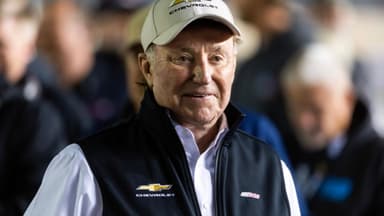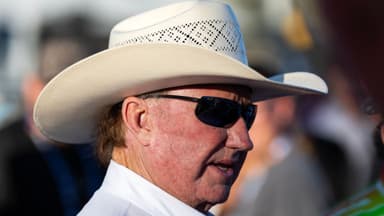
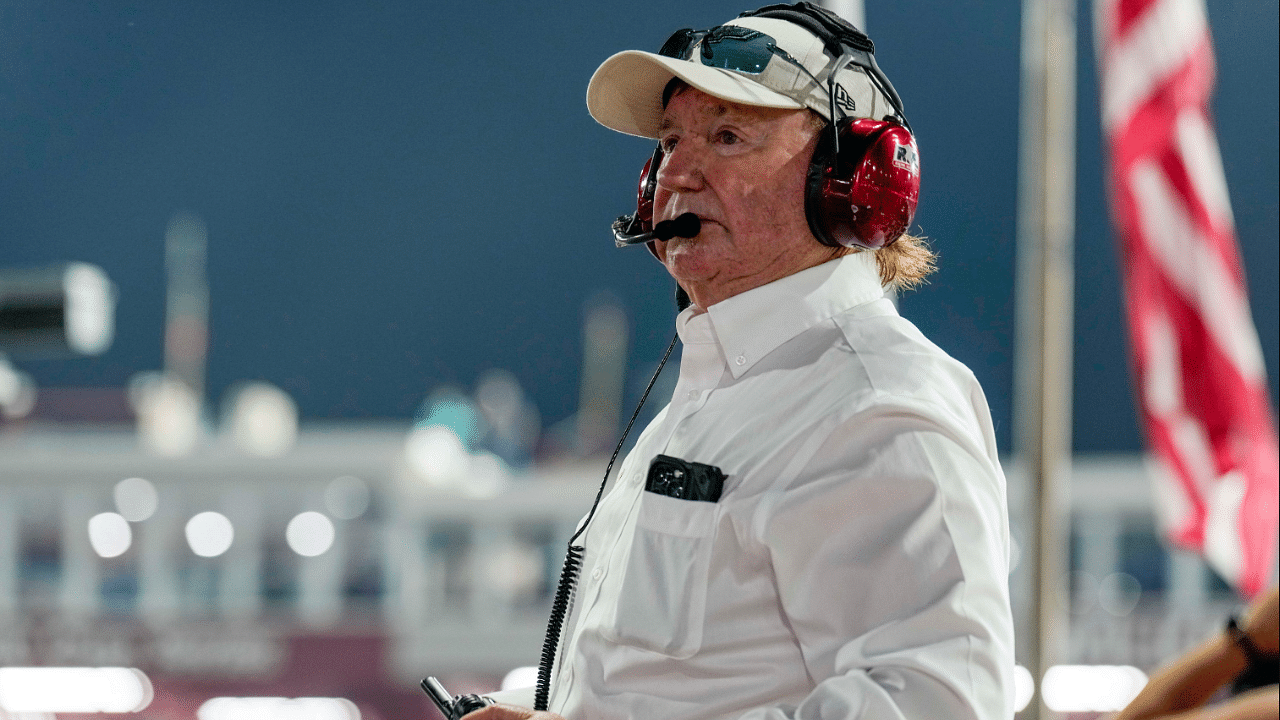
Richard Childress began his career selling peanuts on the stands of the Bowman Gray stadium and is today one of the most recognised and honored businessmen in the country. The most insane chapter of his story went down before he ever got into professional stock car racing.
Advertisement
With larger-than-life dreams in his heart, Childress wasn’t interested in finishing high school as a teenager. He believed that he was bound for more, and by misfortune, strayed down a path that was too dangerous for him. He must have been 16 or 17 years old when he began working at an all-night gas station. On the surface, this was just another job that a school dropout could land.
But it was something else on the inside. Bootleggers from Wilkes County would drive down liquor from the mountains and park their cars in the station where he worked. While they went away to do ‘other’ things, Childress’s job was to deliver the cases to the illegal drink houses that were prevalent in the Winston-Salem region at the time.
Once he had done so, the bootleggers would go collect money from the retailers and pay him for his service. The setup had worked brilliantly until one incident changed everything. He narrated in an interview with Dale Earnhardt Jr., “There was a killing, and I was in the right room. I heard the gun go off, and I ran. So, that’s drink houses back up there on Old Patterson Avenue — the roughest part of town. It was something. I can still see some of that.”
Richard Childress has tales from his days as a real-deal bootlegger. #BestOfDaleJrDownload@DaleJr | @RCRracing pic.twitter.com/7Wrosk7dmh
— Dirty Mo Media (@DirtyMoMedia) December 31, 2025
The murder had left him thoroughly rattled, and he decided to get out of the trade for good. He instead chose to focus on driving stock cars and got his big break in the first-ever race that was held at the Talladega Superspeedway in 1969. Citing safety reasons, several drivers from the Grand National Series had refused to take their starting spots on the grid.
William H.G. France, who was the numero uno of NASCAR at the time, turned to Childress and his fellow Grand American drivers to fill their spots. He promised them handsome rewards for their timely help, and Childress walked out of the track compound with a 23rd-place finish and $7,500 in his pocket.
Those dollars ended up being the first step towards the creation of the giant that Richard Childress Racing is today.