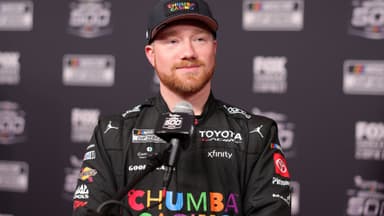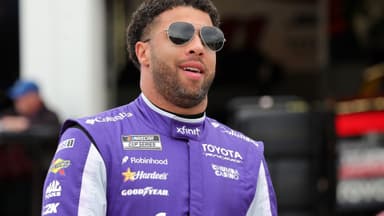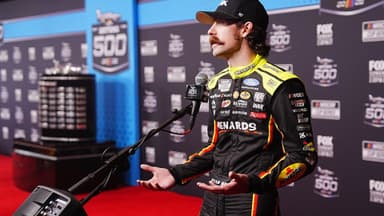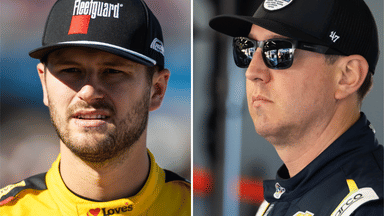
On the ninth day of the Antitrust trial, NASCAR chose to draw a line under the dispute, settling the lawsuit with 23XI Racing and Front Row Motorsports and agreeing to key concessions, including permanent charters, improved revenue sharing, and greater team involvement in rule-making.
Advertisement
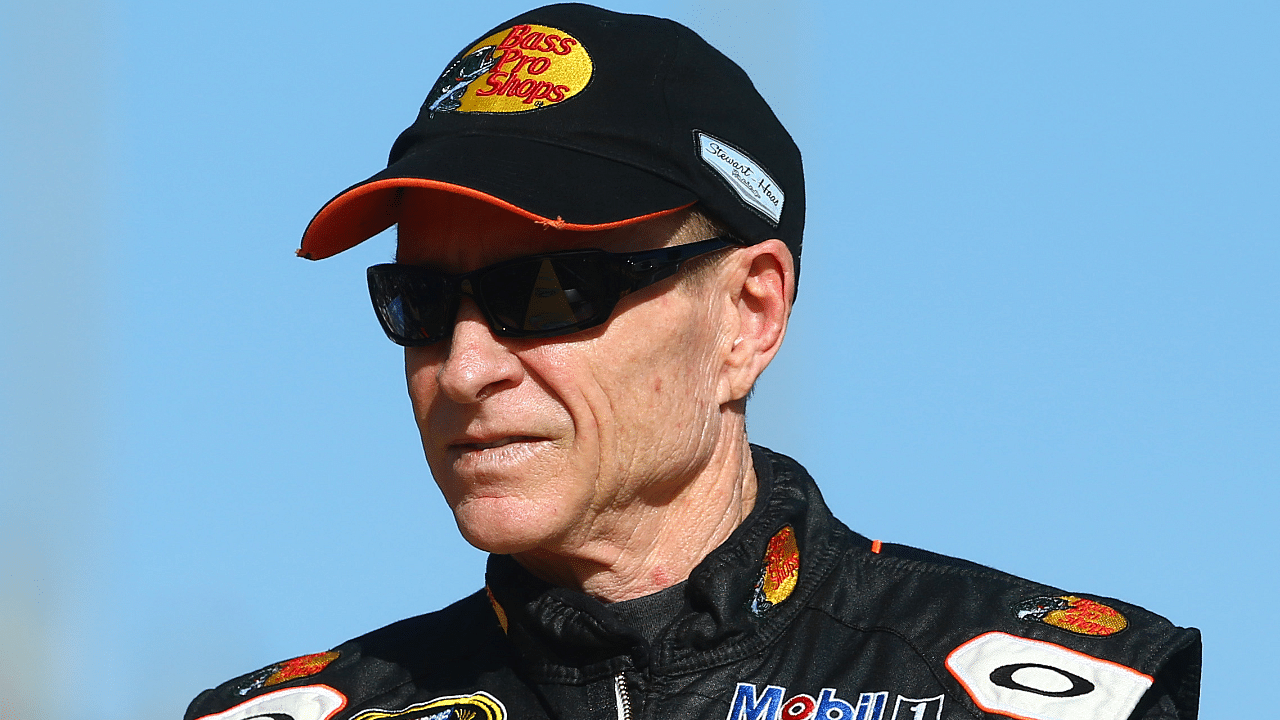
While Mark Martin and several other veterans had publicly leaned toward resolution, Martin admitted that before the agreement materialized, he feared the lawsuit could damage the sport in unforeseen ways. Now, reflecting on the outcome, he believes NASCAR has reached the correct outcome.
Martin had previously voiced his concern on X, calling the lawsuit potentially devastating and worrying about NASCAR’s long-term perception. He said he wanted the sport to thrive and hoped fans would ultimately benefit, but at the time, he could not see a clear path to get there. With the matter resolved outside the courtroom, Martin offered a far more optimistic assessment.
“Well, I think it was a win for everyone. It was a win for the fans. It was a win for NASCAR to get it behind them. And it was a win for the teams. I can’t think of a better resolution to the lawsuit. I really dreaded it. I really was afraid of what was going to happen with our sport going forward.”
The veteran driver explained that he now feels relieved that the issue no longer hangs over the garage, calling it a strong result for the fan base as well as the stock car racing fraternity. With the legal fight in the rearview mirror, the five-time IROC Champion said it is time to get back to the racing that defines the sport, adding that Martin remains cautiously optimistic about where things could head in 2026.
The agreement primarily gives NASCAR breathing room to map out changes that had been difficult to address while the lawsuit loomed. That includes revisiting the playoff format, adjusting horsepower levels for the Next Gen car, among other changes, and restoring measured freedom for teams to re-engage on the innovation front, all without the distraction of ongoing litigation and the added monetary benefit.
For the teams, the shift is just as momentous. With charter uncertainty resolved, organizations can pour their energy back into performance, focusing on improving cars and sharpening race-day execution instead of negotiating survival. In that sense, the settlement has done more than end a courtroom battle as it has reset the competitive terrain and allowed the sport to move forward with clearer priorities.
It now remains to be seen how the landscape changes heading into the 2026 season, with the changes in place, and how ultimately that boils down to a benefit in fan engagement, especially for a sport that has been chasing its so-called ‘heyday’ for quite some time.