23XI Racing and Front Row Motorsports filed their antitrust lawsuit in October 2024 after NASCAR presented a new charter agreement and pushed teams to sign before they had adequate time to evaluate it. According to the two organizations, the proposal tilted heavily in NASCAR’s favor and failed to address longstanding inequities.
Advertisement
Monday marked Day 1 of the trial, and while the outcome remains uncertain, the case has already inspired commentary across the sport, including an ambitious “wish list” from NASCAR insider Brett Griffin.
When a fan recently asked Griffin on X (formerly Twitter) for bold predictions regarding the trial, he initially deflected, saying, “Would have to closely follow it to make those, so I can’t make any.” He then added the following points:
“1. Teams are back able to build the cars and outsource parts from more than one supplier.
2! Teams get rev share from all aspects of revenue channels.
3! Teams get permanent charters.
4. Drivers have collective bargaining in the future.
5. NASCAR re-embraces their hardcore fan.
6. NASCAR punishes their people who speak down to drivers, teams, and fans and makes it public knowledge.
7. NASCAR values all teams and team owners get in sync with the sanctioning body.
8. We have a championship format announced before it’s 2026. Clock is ticking.”
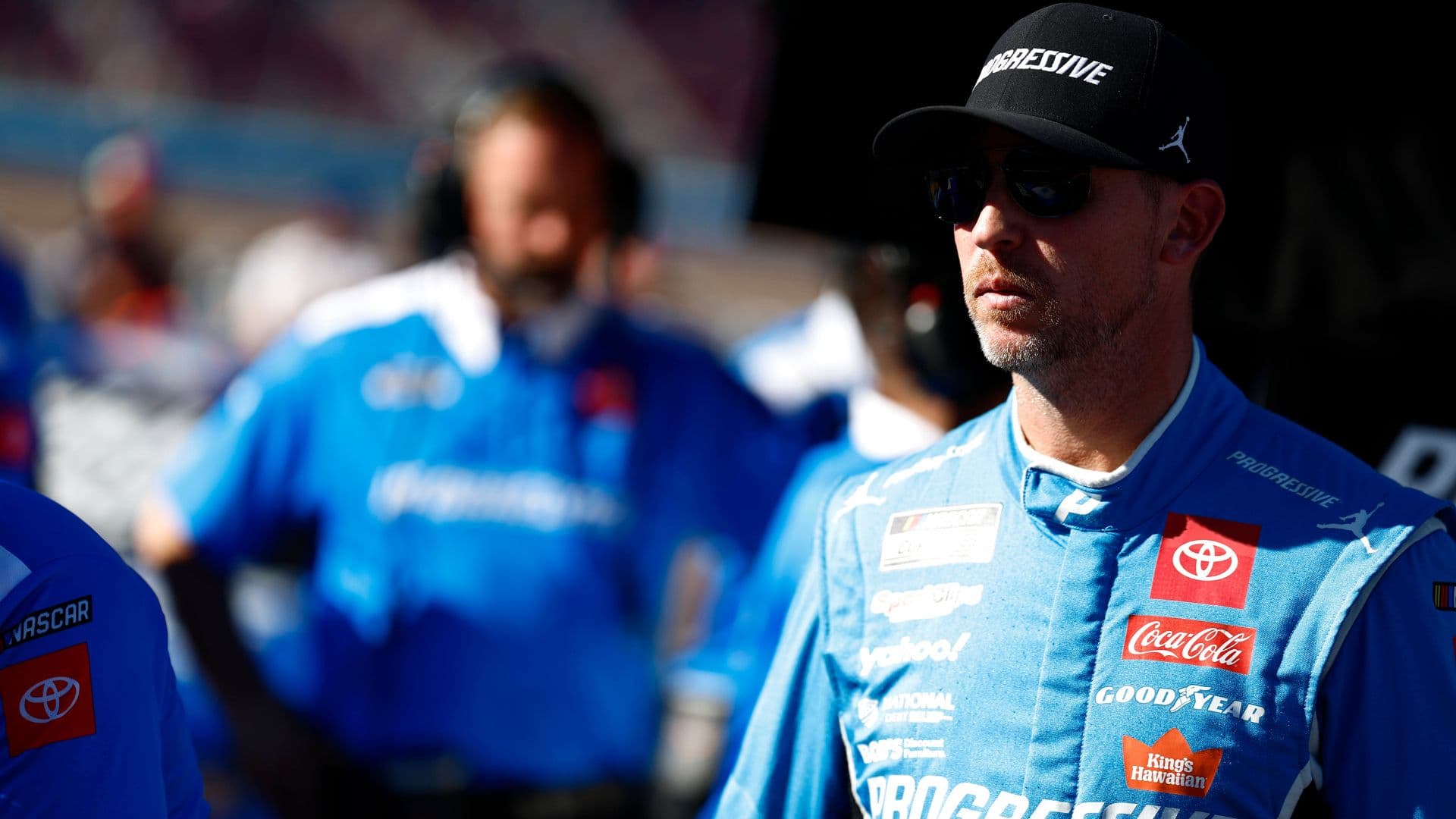
While Griffin shared his vision of an ideal future, emotions marked the opening day in the courtroom. Denny Hamlin, co-owner of 23XI Racing, broke down while recounting his early racing years and the sacrifices his father made, noting that his dad is now in declining health.
Hamlin’s testimony shifted from personal history to the sport’s financial landscape, and he used the moment to highlight the core argument behind the lawsuit. He described a system in which teams must compete not only with rival organizations but also with NASCAR itself for sponsors, employees, and resources. He reiterated that the economics simply do not add up.
Hamlin also testified that fielding one Cup car for a 38-race season costs roughly 20 million dollars, not including overhead such as driver salaries. A charter covers 12.5 million of that total, leaving a massive gap that teams must bridge through sponsorship and outside funding.
His attorney underscored the imbalance further, noting that Front Row Motorsports has never turned a profit since entering the sport in 2004, despite winning the 2021 Daytona 500. He also cited a NASCAR-commissioned study showing that 75 percent of teams lost money in 2024.
Hamlin concluded that the number of organizations that have folded over the years is proof that the current charter model is not sustainable. For him and for the teams behind the lawsuit, the case is about far more than contracts. It is about survival in a system where, as Hamlin put it, only one side keeps going out of business.