The 2026 NASCAR Cup Series season will arrive with changes across nearly every corner of the sport. From increased horsepower and a revised playoff format to new charter-related rules and expanded room for team innovation, the landscape will look noticeably different. Against that backdrop, NASCAR appears ready to open the season by acknowledging two moments that shaped its identity in very different ways: the Richard Petty–David Pearson duel of 1976 and the fatal crash of Dale Earnhardt Sr. in 2001.
Advertisement
The Daytona 500 on February 15 will sit at the intersection of both anniversaries, marking 50 years since the 1976 Daytona 500, one of the most dramatic finishes in the event’s history, and 25 years since Dale Sr.’s death on the final lap of the 2001 race.
NASCAR officials have not yet outlined any formal plans to commemorate either milestone. But few doubt that both will be acknowledged in a meaningful way.
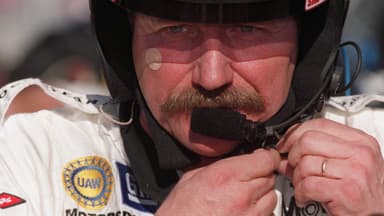
The day in question changed the sport forever. Dale Sr. started the 2001 Daytona 500 from P7 and led 17 laps. Meanwhile, Michael Waltrip, driving a DEI Chevrolet, led 27 and worked in tandem with Dale Earnhardt Jr. in another DEI entry. Dale Sr. positioned himself behind both cars, guarding them as the field charged toward the finish.
On the final lap, between Turns 3 and 4, contact from Sterling Marlin sent Senior’s car nearly head-on into the outside wall. His Chevrolet dropped off the banking as Waltrip surged across the line to secure his first Daytona 500 win. Initially, the crash appeared similar to countless others at the track, but concern escalated when Dale Sr. did not exit the car.
Safety crews removed him and transported him to a nearby hospital, where he was pronounced dead. NASCAR president Mike Helton later confirmed the news in a quiet media center.
That incident shaped the safety inside the cars, and NASCAR has taken several measures since then to make it safer for the drivers who are jeopardizing their lives to go at such a speed for the sport.
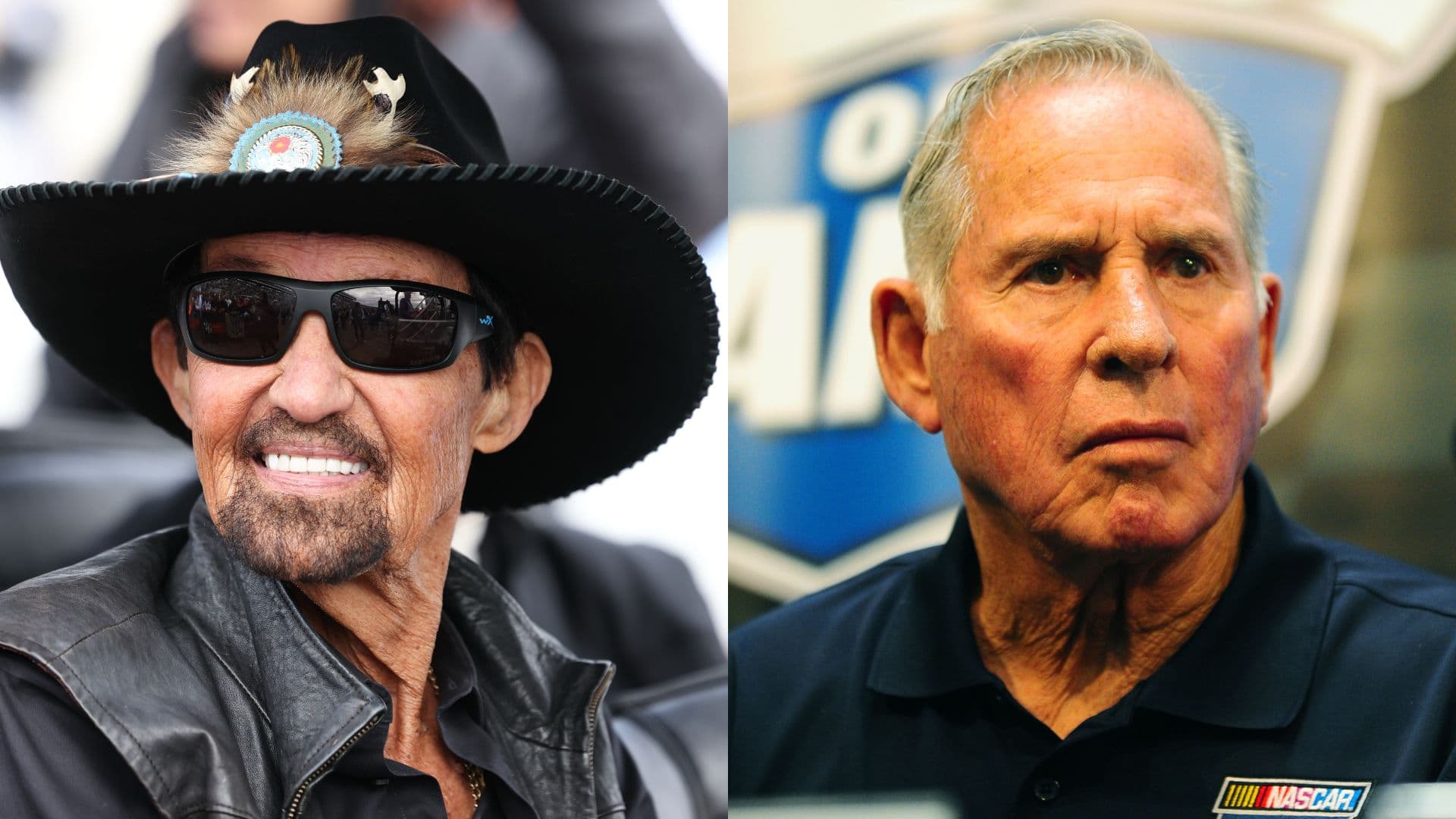
The 1976 edition of the same day started as a clash of titans on the racetrack. Petty entered with 6 Cup championships and 177 career victories, while Pearson arrived with 3 Cup titles and 87 wins. On superspeedways, the duo stood alone, frequently running P1 and P2.
The weekend itself took an unexpected turn early as Darrell Waltrip and A.J. Foyt posted pole-winning qualifying runs, only to be disqualified after inspectors found nitrous oxide additives in their cars, a substance used to produce short bursts of extra power. By race day, the spotlight shifted entirely to Petty and Pearson.
As the laps wound down, the two controlled the race. Petty led when the white flag waved. Entering the final turn, Pearson dove low and pulled alongside. The cars touched in the narrowest part of the corner, triggering spins that sent both machines into the outside wall and sliding down the track.
For a moment, Petty seemed capable of sliding backward across the line to claim the win, but his car dropped off the banking and came to rest in the grass between pit road and the racing surface.
Pearson’s Mercury also left the track and was clipped by Joe Frasson as it slowed. While Petty’s crew sprinted toward their fallen leader, Pearson kept his engine alive by holding the clutch through the chaos. He gathered the car, rolled back onto the pavement, and crossed the finish line to win.
Although Petty’s crew bristled in the immediate aftermath, the King defused the moment, instructing them to push the car to the garage and turn their focus to Rockingham the following week. That victory became
Pearson’s lone Daytona 500 triumph. Petty ultimately won seven. Together, they logged 63 one-two finishes, with Pearson holding a 33–30 edge.
How NASCAR chooses to honor these two moments remains unclear, but what is certain is that Dale Sr.’s death altered the sport’s trajectory, prompting changes that continue to define NASCAR’s modern era.