The 2026 NASCAR Cup Series season begins this weekend with the Daytona 500. And everyone is excitedly looking forward to the racing dynamics that will unfold with the return of the Chase format, which is making a comeback after 11 long years.
Advertisement
This change is expected to make the season far more compelling than it was under the Elimination playoff format. However, welcoming the Chase does not necessarily mean rejecting the merits of the previous playoff system.
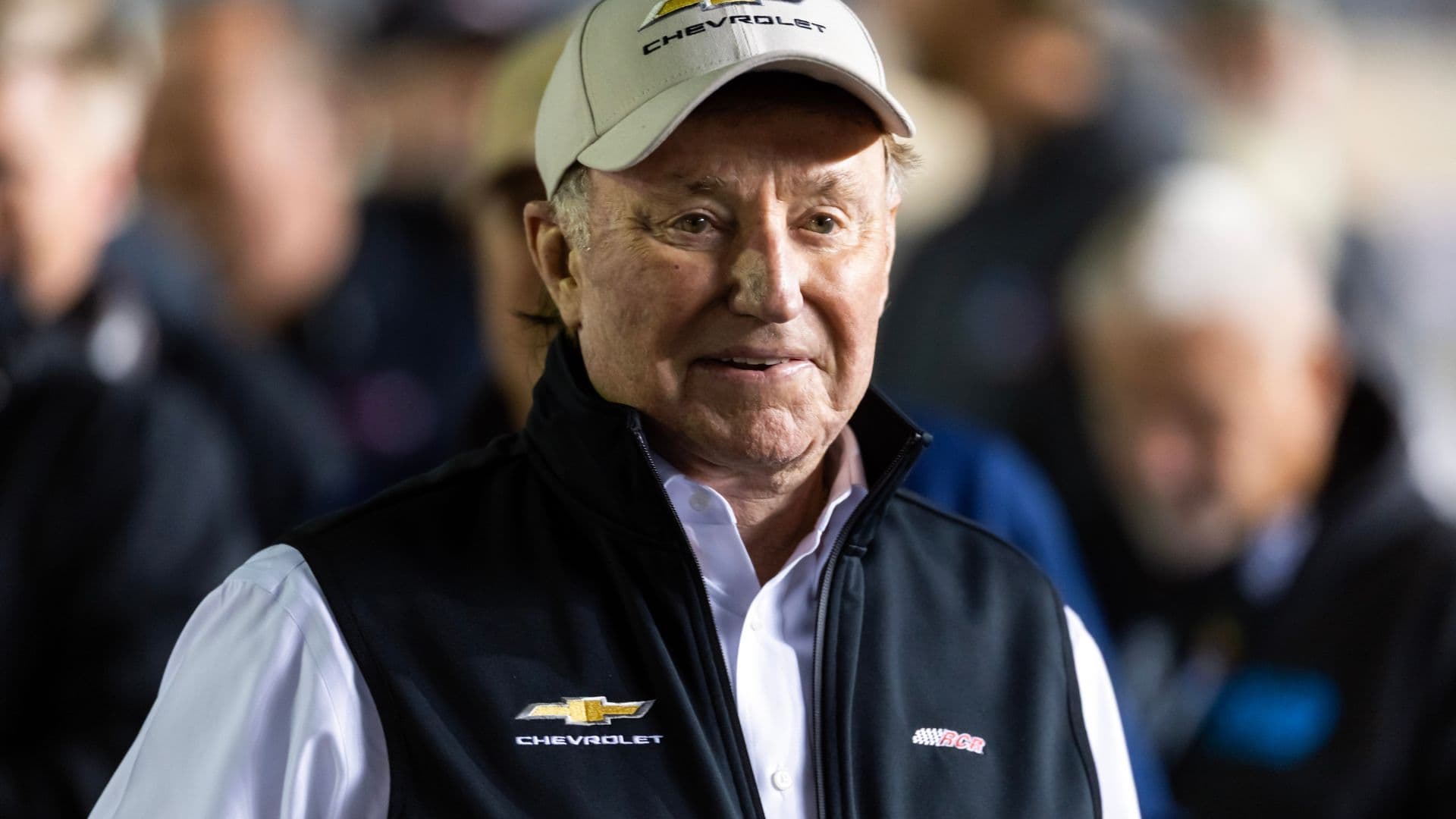
Richard Childress, one of the sport’s most iconic personalities, feels the previous format was working fine too, though he is glad with the change. The RCR owner was expressing his thoughts on the format in a recent interview with Fox8 WGHP.
“I think it’s better for the race fans and the sport to have this type of playoffs,” said Childress.
“I didn’t see anything wrong with the other one. But you gotta make changes. Change is the future. We have to do things to keep our sport moving in the right direction,” he added.
The Elimination format was criticized mainly for the perception that it allowed “undeserving” drivers to become champions. Many felt that luck played too large a role in determining the title winner.
Under the Chase format, however, a driver must be consistent throughout the season to win the championship, a requirement that demands both skill and endurance. Furthermore, expertise on a single type of racetrack will not be rewarded as heavily as it was under the Elimination format.
Only the most well-rounded drivers will be able to make the Chase and reach the final stages of the season. Whether it will work out as intended or not, the change was a much-needed one, as Childress pointed out.
The sport’s core fanbase felt increasingly left out with the previous playoff format. The change ahead of the 2026 season signals that NASCAR values its opinions as well.
Childress on the importance of the core fanbase
Childress, a NASCAR veteran with over 50-plus years of experience in the sport, has seen it continually evolve from the days of Lee Petty to Dale Earnhardt Sr. and into the present day. The one point he emphasizes, with all the wisdom he carries, is that old-school fans should not be left behind.
He does not want the sport to forget where it came from or who helped get it to where it is today. “Never forget what got you here, and that’s the old-school race fans. We gotta have our new fans. Our young fans. Our new fans out there,” Childress said.
NASCAR has some great young drivers coming up the ranks, and Childress believes they will define the sport someday, just like how Earnhardt Sr. and the other icons of the past did. And change cannot be ignored if the goal is improvement.
For a sport like NASCAR to regain its lost luster and recognition, it needs to adapt to multiple changes in quick succession to figure out what’s working and what’s not.