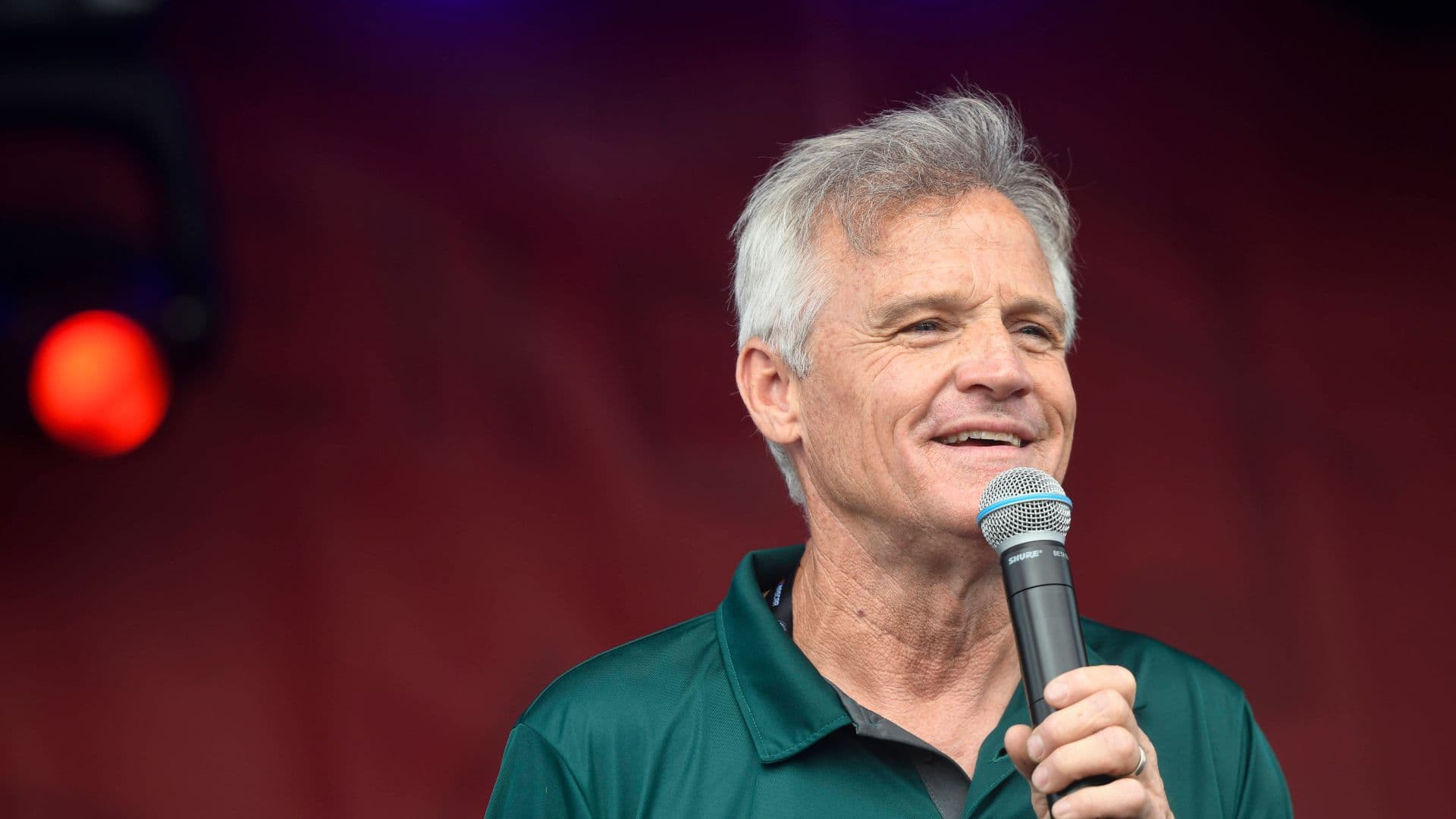
Kenny Wallace has been offering insightful ideas on how NASCAR can bring fans back to the grandstands. His suggestions included tightening the schedule and restoring practice time that would give fans a reason to show up from Thursday onward. Wallace has now turned his attention to a different lever the sport can pull.
Advertisement
This time, Wallace’s focus is on how NASCAR can ensure fan engagement. He believes a subtle shift in presentation could lead to stronger emotional investment and, eventually, healthier television ratings for the sport.
Wallace believes the problem is not limited to what happens on track. He argues that the sport has stripped too much personality from its biggest moment and that Victory Lane has drifted away from the fans.
According to Wallace, Victory Lane should feel human again. It should not revolve solely around the driver, the crew chief, the owner, or the manufacturer.
“We’ll go to commercial break after the race is over. You come back, the car’s in Victory Lane, and there’s everybody… There’s the driver, there’s the crew chief, there’s the owner, there’s the wife, there’s the kids. That’s the way it needs to be because right now we’re missing out,” Wallace said.
Instead of being a shared experience, Victory Lane has become a tightly managed space centered almost exclusively on the winner, the team, and corporate stakeholders, felt Wallace. He insisted that this misses the point of why fans linger after the checkered flag in the first place.
Wallace wants family members present in the winner’s world, as it once was. He was talking about an era when wives and children stood front and center, when cameras lingered, and fans absorbed every small detail.
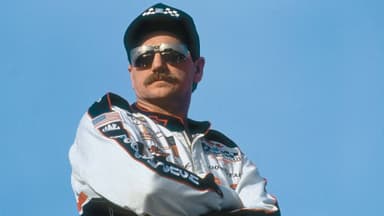
The veteran driver explained that when Dale Earnhardt Sr. won, television audiences were rewarded with moments that felt unscripted and personal. Viewers saw a young Dale Earnhardt Jr. during post-race interviews, and those images stuck. Fans do not see that anymore.
In Wallace’s opinion, the sport needs to reclaim what made Victory Lane iconic. The winning car needs to roll into victory lane. The broadcast should pause, step away, and then return to a scene that feels complete.
Wallace believes modern fans crave context as much as competition. He pointed out that when people look at photos now, they instinctively zoom in and scan the background. They want to notice the details.
They want to see the wife, how she is dressed, whether she is wearing a large diamond ring, who styled her hair, and where the kids are standing. Those small elements keep fans talking, sharing, and engaging long after the engines go quiet.
In Wallace’s view, Victory Lane works best when it feels crowded in the right way. He described how powerful it was when family members, sponsors, and team figures filled the frame, creating a living snapshot of the moment.
Wallace then referenced the classic broadcast calls fans grew up with, when voices like Brent Musburger painted the picture in real time. Viewers were guided through the scene, introduced to the children, the spouse, the owner, and the crew chief, all standing together in a moment that felt earned.
Wallace admitted that while today’s version of Victory Lane is not outright terrible, it lacks the structure and storytelling that once made it special. What fans see now feels scattered rather than memorable. In his assessment, restoring order, personality, and familiarity to Victory Lane would give fans a reason to stay tuned, invest emotionally, and reconnect with the sport beyond the final lap.