The Next Gen car has delivered its strongest showing on intermediate tracks, where the racing product has aligned with the car’s design intent. Short tracks, however, have paid the price. Extreme parity has compressed the field to the point where lap times overlap, lanes stall, and passing opportunities vanish.
Advertisement
NASCAR cars mirror each other in pace, which strips races of flow and turns positions into locked doors. Tires remain the lone variable that has offered any relief, yet even that lever fails to deliver consistency from race to race.
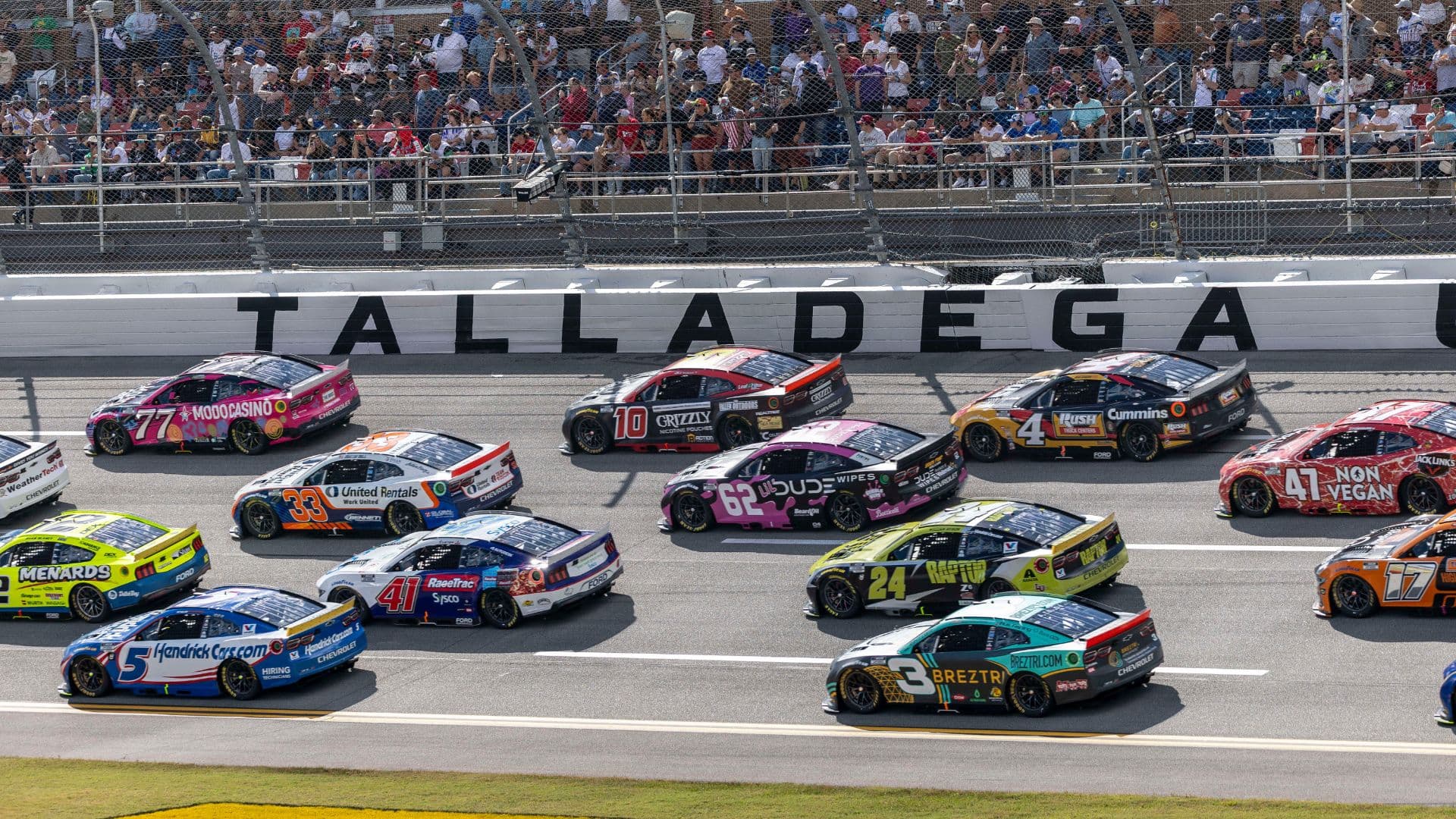
Superspeedways present a different issue altogether. There, the fuel-saving strategy has completely changed the superspeedway racing. When the Daytona 500 takes the green flag next Sunday, the entire field will shift into fuel-conservation mode. And that pattern tests the patience of a segment of the fan base each year. Many expected a shift, perhaps incorporating larger fuel cells or revisions to the stage format.
But NASCAR chooses to stand pat. Instead, the senior vice president of competition, Elton Sawyer, addressed the debate by reframing it. “They’re five and six wide, and (fans) don’t know how fast they’re going … they’re all standing up and cheering. So, it’s like ‘okay,’ and John (Patalak) has said this many times, ‘what are we trying to fix?’”
Sawyer also eventually conceded the limit of intervention, stating, “I don’t think we can actually fix it.” With the Next Gen car, the competition package binds the field tight, leaving clean, full-throttle passes in short supply, and track position rules the equation. Teams respond by trimming fuel use to ensure an edge when exiting pit road before each stage break and again at the finish.
That approach explains why drivers spend extended stretches at half throttle or below on superspeedways. Reduced fuel burn cuts the amount needed during pit stops, which shortens the time spent on pit road. The tactic works, but it drains energy from the early phases of the event.
Fans watch cars circulate without pressure, without attempts to pass, and without visible urgency. That’s why the opening stages often feel like a holding pattern, with real competition deferred until the final stage.
But Sawyer’s reasoning states that no rule change can erase the need to pit. Every team must visit the pit road. That reality rewards fuel saving because less time spent refueling translates into track position.
Sawyer also drew parallels to the Indianapolis 500, noting that even big events outside NASCAR drop the green flag and shift into fuel conservation at once. The practice spans the entire motorsport industry.