NASCAR’s return to the Chase format has been widely celebrated by drivers, veterans, and fans, with many believing it will restore a near-perfect balance between consistency and victories. However, some view the change through a different lens, including Billy Scott.
Advertisement
All three of NASCAR’s national series will see the return of the Chase playoff format, featuring 16 drivers, a 10-race postseason, and a single points reset for the leader, replacing the elimination-style playoff system that has been in place since 2014.
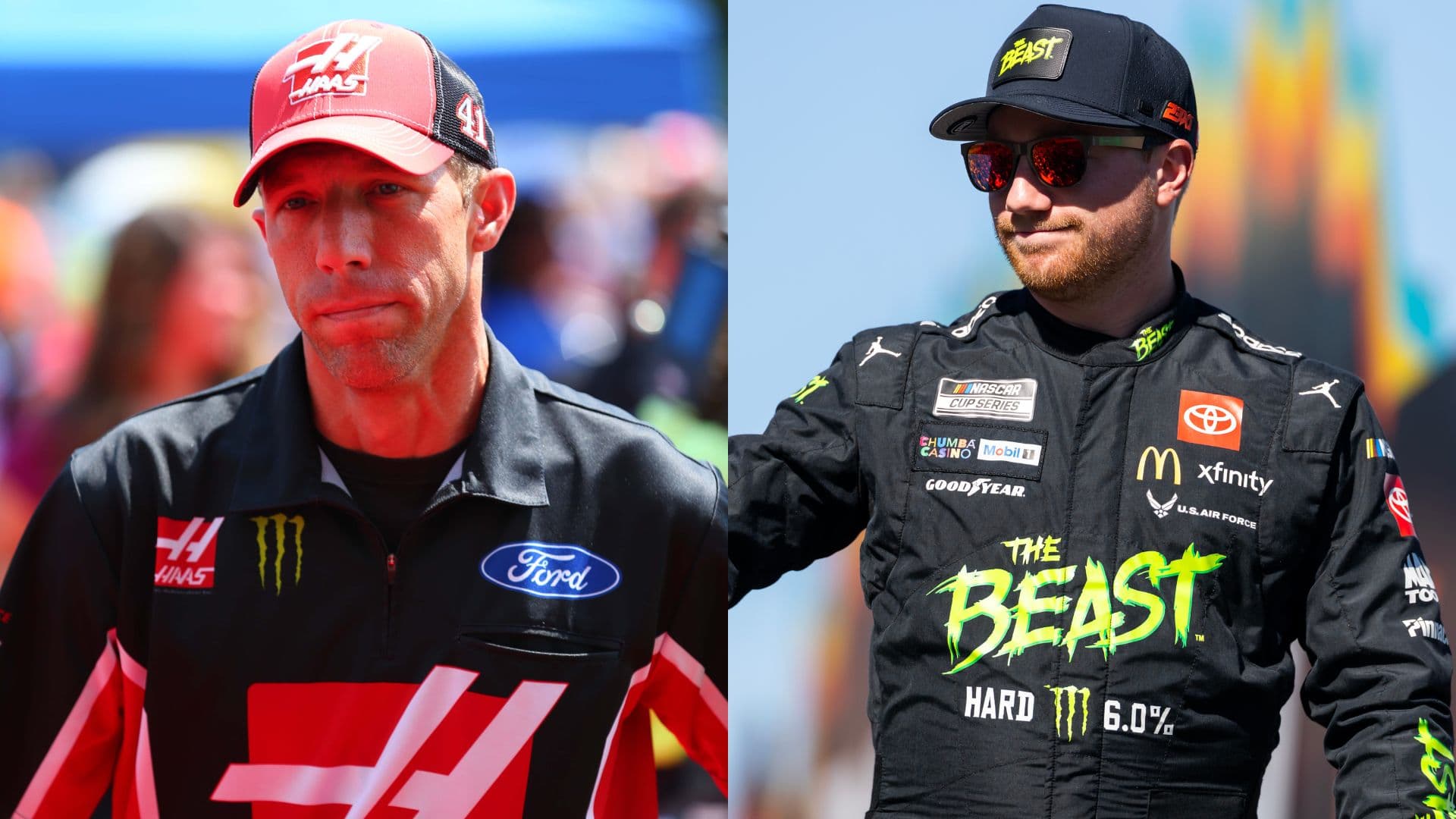
Speaking with SiriusXM NASCAR, Scott, who is Tyler Reddick‘s crew chief, unpacked the implications of the change and weighed in on how the return of the Chase could affect decision-making. He said, “I think putting the extra emphasis, the extra points established with winning does still make it significantly more important than anything else you’re going to accomplish on the day.”
“So I think even, like I said, again, when the road course is when you have an opportunity to race for stage points or wins, with that extra on the line, I think if you think you have a shot at all for competing for the win, it’s going to be more likely now that you race for the win, even than it was before,” Scott added.
️ “I think it does put a little more emphasis on running good every week.”
Crew Chief Billy Scott discusses the return of The Chase, and what difference fans may see over the course of the race.
More https://t.co/WGRTG5gnEd pic.twitter.com/jzNDtivONL
— SiriusXM NASCAR Radio (Ch. 90) (@SiriusXMNASCAR) January 16, 2026
The revised structure alters the mindset in another important way. A win alone will no longer lock a driver into the postseason field, meaning competitors must string together strong finishes and, when possible, collect multiple victories. With 55 points awarded for a win, teams will have a clear incentive to chase those results in order to secure a place inside the top 16 of the standings.
Once the playoffs begin, the points reset will apply from first through sixteenth. Under the previous format, a driver who finished 11th in points and another who finished 15th, provided neither earned bonus points during the regular season, would enter the postseason on equal footing. Scott, noted that the new structure places far greater weight on weekly performance.
That emphasis could ripple into racecraft. While some drivers and teams believe the format will allow for more measured late-race decision-making without the pressure of last-lap desperation, the 23XI Racing crew chief expects the opposite. He believes strategy sheets will tilt more aggressively over the course of the season, with teams pushing harder for wins.
In his view, the added incentive will encourage drivers to race for trophies rather than simply survive the distance, potentially increasing the level of excitement for fans compared to the prior system’s survival-based approach.