


Why Starting From Pole Does Not Lead to NASCAR Wins in Next Gen Era

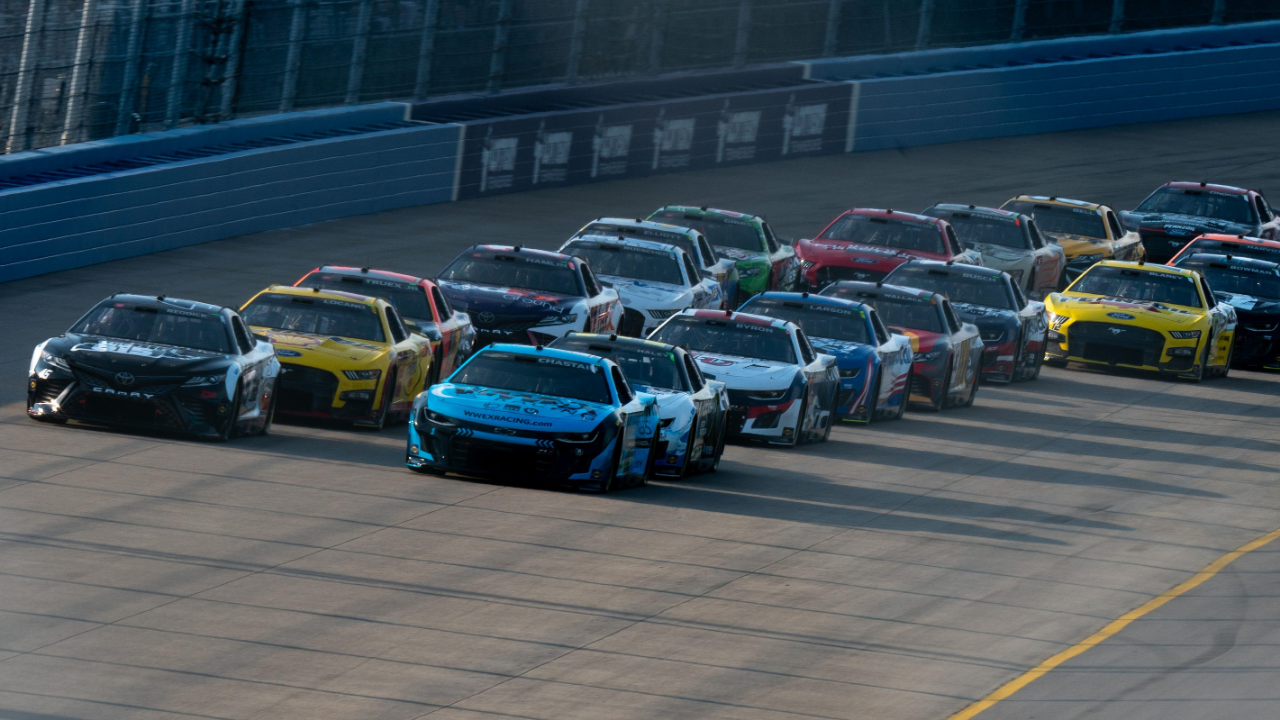
Early in NASCAR’s history, drivers in pole position had a notable advantage over their competitors in terms of the chances to win a race. This probability, however, has declined over time, particularly in the modern era of the sport during which time the promotion has purposefully sought parity across the field. This has resulted in a truly strange stat that showcases the decreasing importance of the pole.
Since the introduction of the NextGen car, drivers have won nine races starting from pole position. Eleven races have been won by drivers from second place. And ten races have been won by drivers starting from fourth place. The average starting position of the winner in this period has been 8.93. This stat reinforces the fact that the pole position doesn’t mean what it used to.
Team Penske driver Joey Logano has won the most races, three, starting from first place on the grid. Hendrick Motorsports’ Kyle Larson has the most wins, eight, when starting in a top-10 position. His teammate William Byron presents yet another interesting number. He has won five races by starting outside the top 10. So, why do drivers still go after the pole position if its value has diminished?
Wins by starting position in the NextGen Era + a few stats
*this is official starting positions only pic.twitter.com/A1aThstJqE
— Trey Ryan (@TreyRyan99) August 14, 2024
This is because the expected value of the position has continued increasing while its field advantage has waned. Winning a race from the pole increases the size of the purse a driver obtains and adds more clout to the victory. Put this together with the added safety that being ahead of the field provides and a solid purpose emerges to set quick speeds in qualifying.
It also hasn’t been uncommon for drivers to stress the importance of qualifying well in short-track races in the NextGen era. The reason for this is that passing has become an almost impossible task on tracks like Martinsville with every driver virtually driving the same car. Hence, a big weight is lifted off their heads when they qualify ahead of the others.
Moreover, the drivers with fast cars will not have to pass slower cars in the initial stages of the race. This reduces the possibility of race-ending crashes for many. Ultimately, this new revelation of stats proves that being a pole-sitter doesn’t guarantee that one can win a Cup Series race or even have a considerable advantage all the time.
About the author

-
Gowtham Ramalingam •
“I’m Probably the Worst Person”: Denny Hamlin’s Honest Take on Driver Retaliation in NASCAR
-
Gowtham Ramalingam •
NASCAR 2024 Rookie of the Year Race: Carson Hocevar Leads Josh Berry and Others
-

Gowtham Ramalingam •
Is Christopher Bell The Most Underrated Driver In NASCAR?
-

Shaharyar •
Tony Stewart’s NASCAR Team Dealt With a Massive Blow
-

Neha Dwivedi •
William Byron ‘Open to Options’ for a More Reliable Alternative to NASCAR’s Cool Shirt Technology
-
Shaharyar •
Denny Hamlin Doesn’t Want More Denny Hamlins in NASCAR: “There’s Room for Everyone”