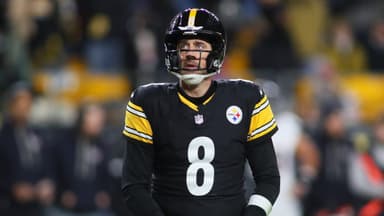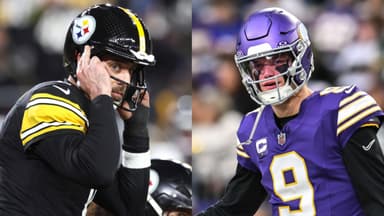
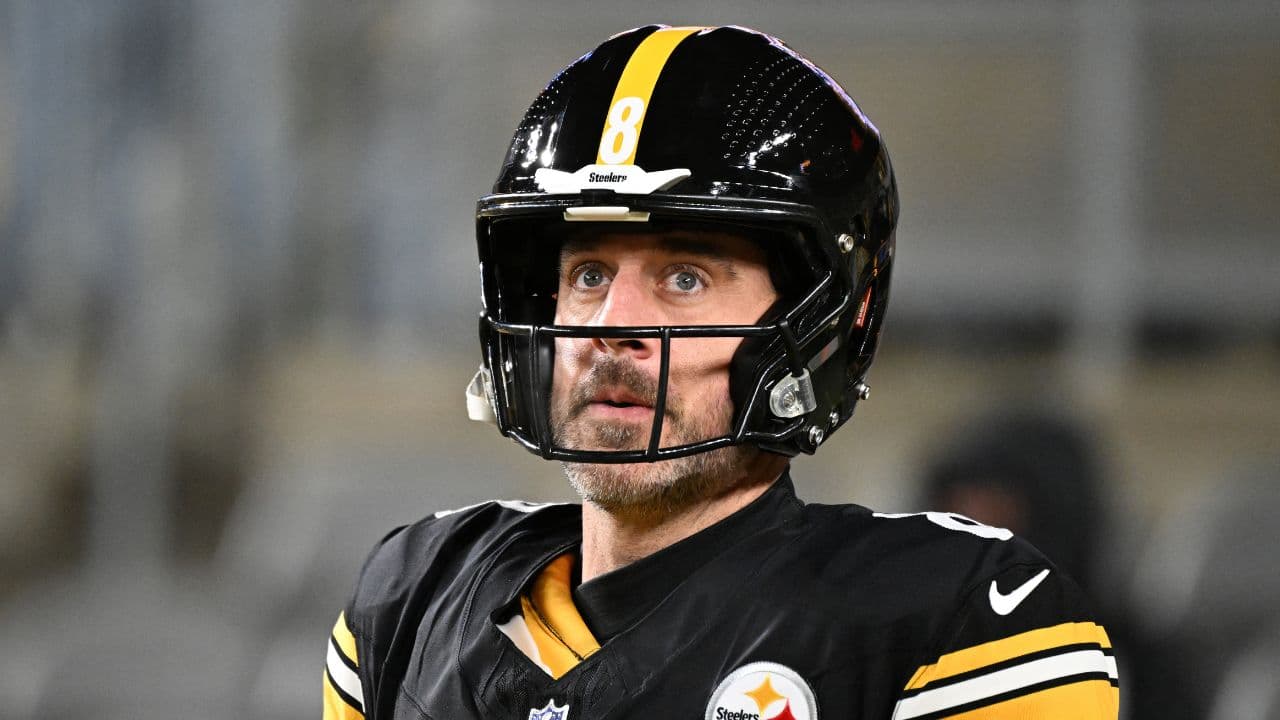
The Pittsburgh Steelers’ 2025 season ended with a thud, as the team was completely outplayed and outpressed in their 30-6 Wild Card loss to the Houston Texans. The game took place in Pittsburgh as well. With that brutal end to the season, it may have been the final chapter of Aaron Rodgers’ long, complicated, and undeniably brilliant NFL career.
Advertisement
But if this is the end, it definitely was not a pretty one. Apart from the manner of the defeat, the four-time MVP statistically had an off day, finishing with 17 completions for 146 yards and no touchdowns while throwing a pick-six. Speaking of six, it is the fewest points Aaron Rodgers has ever scored in his 22 postseason appearances.
So at the dying minutes of the game, when Rodgers was benched, the 42-year-old cut a sorry figure, with his body battered after being hounded by the Texans defense. So, the question remains: Is this the final memory Aaron Rodgers is going to leave us with from his NFL career?
While Rodgers insisted that he will “not make any emotional decisions” about retirement, league veterans and analysts chose to pay their respects to his legendary career regardless.
Few voices carried more weight on this topic than Ryan Clark, who knew exactly what it meant to face Rodgers at his peak. Clark took fans back to February 2011, when he walked off the Super Bowl field after losing to Green Bay.
“I knew three things,” Clark wrote on Twitter. “Aaron Rodgers was the best quarterback I’d ever played against, Mike T was the best coach I’d played for, and they’d both get back to the Super Bowl. One of those things turned out to be false.”
RC also acknowledged that while Rodgers and Mike Tomlin never returned to the Super Bowl together, their legacies (one as an NFL QB, and another as a Steelers HC) were already sealed. So if it ends here, Clark suggested, it’s fitting that it ends together.
I walked off AT&T field in February of 2011 after losing the Super Bowl to Packers knowing 3 things. Aaron Rodgers was the best quarterback I’d ever played against, Mike T was the best coach I’d played for, & they’d both get back to the Super Bowl. One of those things turned out… pic.twitter.com/texCMnMsCh
— Ryan Clark (@Realrclark25) January 13, 2026
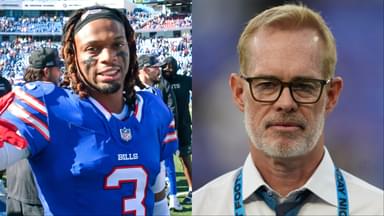
From the broadcast booth, Joe Buck focused on the artistry that made Rodgers special. At his best, Buck said, the Packers legend was unmatched, capable of throwing from any platform, escaping with his legs, and turning chaos into precision.
Buck also didn’t shy away from the complexities either. Rodgers’ career, he noted, hasn’t been free of controversy, but that openness is part of why he mattered.
As he said, we have seen athletes hide behind cliches. Rodgers was willing to say what he felt. And on the field, Buck made it clear, he was “sensational to watch.” So if this is the end, Buck said, the game will miss him.
That sentiment also echoed strongly with Troy Aikman, who admitted he never imagined Aaron Rodgers would still be playing into his 40s. But he, too, couldn’t shy away from stating how disappointing it is for Rodgers to end on this note.
“It’s a disappointing end but the end usually doesn’t happen the way you want it to. John Elway is one of the few. But Aaron Rodgers had a great career and he’s among the tops, for sure.”
“He’s been a joy to watch and this game will miss him if this is the end.”
Joe Buck and Troy Aikman on Aaron Rodgers’ legacy with @notthefakeSVP. pic.twitter.com/SAiexUfqUq
— NFL on ESPN (@ESPNNFL) January 13, 2026
And that’s perhaps the common thread tying all three reactions together. Yes, the loss to Houston was ugly, and Rodgers’ performance and stat line were even more forgettable. But none of it erases what he did before: four MVPs, a Super Bowl ring, nearly two decades of elite play, and a quarterback who redefined arm strength and poise.
So if Monday night was indeed Rodgers’ final NFL game, it’s just a teeny-tiny blip in the magnanimous career that he built for himself.