One of the biggest sour points of the 2025 college football season was the sudden exodus of Lane Kiffin and his cohorts from Ole Miss. It left what was, at the time, one of the best teams in the nation short-staffed when things mattered most.
Advertisement
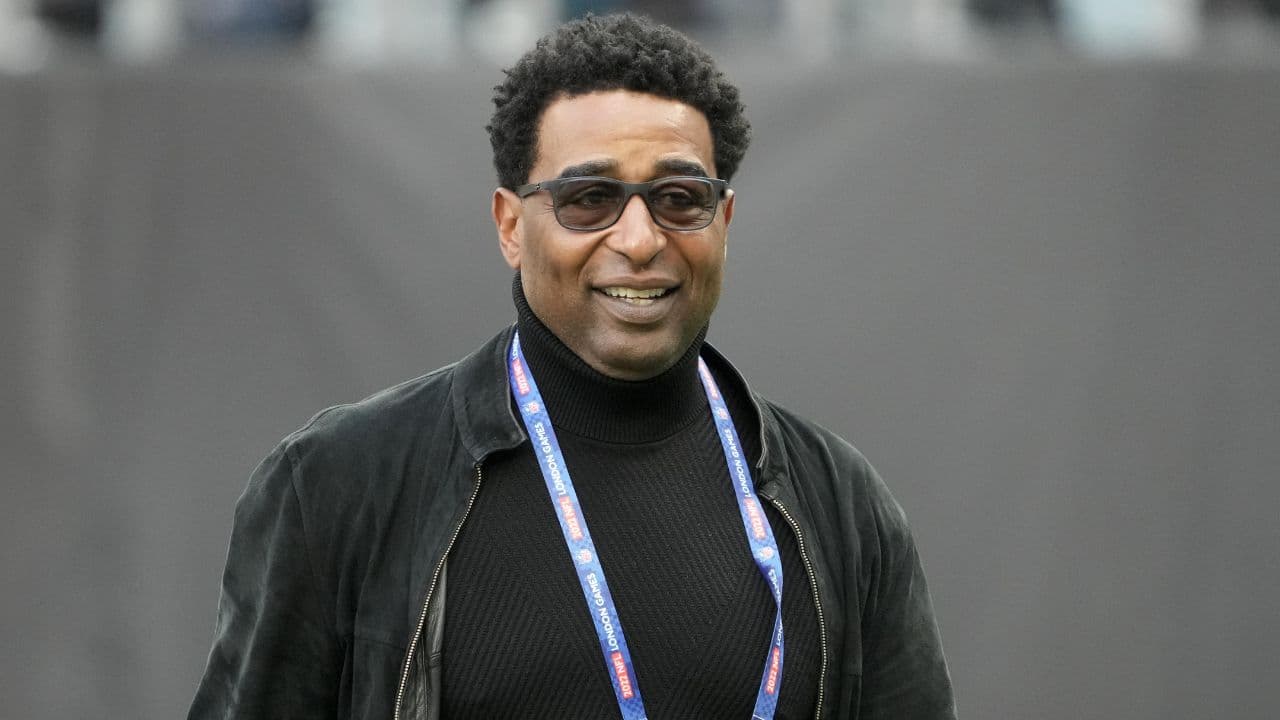
According to the NFL Hall of Famer, Cris Carter, Kiffin’s jump to LSU is not unique. Rather, it is indicative of a big problem: The unsustainable manner in which college football operates currently.
“The biggest issue with NIL happens to be the window when the portal opens,” Carter remarked during the latest episode of his Fully Loaded podcast. He then labeled the timing of the NIL transfer window as “the biggest detriment to college football right now.”
The former Viking suggested that it’s essentially the equivalent of having “free agency right before we get ready to start our playoffs.” Now that would trigger anarchy in the league.
“We have the ability to lose 30, 40, 50 players in the middle of our season,” Carter outlined. “No one else has that in the history of sports. So, the model, this is not sustainable. You can’t keep doing this. College football has really grown. The popularity is growing, but you have to be able to get the calendar in check.”
However, this seems to be one of the rare instances in which there might actually be a simple fix to the matter. The committee just needs to decide between either starting the season “earlier, before Labor Day,” or moving the transfer portal period to “the spring or summer.”
Otherwise, “it becomes a nightmare in January,” Carter highlighted. “You have a week to 10 days for kids to be able to academically get themselves all squared away.”
While it may not ever make its way to the right channels, Carter’s solution seems to be a proper one. Not only does it help to prevent instances like the one that Kiffin created, but it also helps acknowledge the seldom thought of “student” aspect of the phrase “student athletes.”
It could also help to further liken the collegiate system to that of the pros, which has been the goal in recent years anyway. So it seems as if Carter may be onto something with this most recent take of his. But then, someone over at the NCAA’s headquarters has to feel the need to address this emerging issue, to start with.