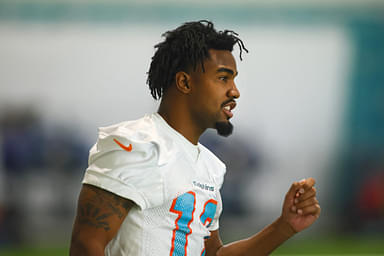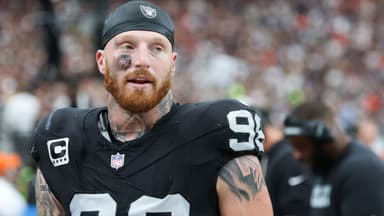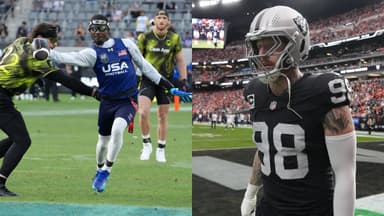
In a somewhat unsurprising turn of events, Team USA, the nation’s official flag football club, managed to beat a pair of teams composed of celebrities, current and past NFL stars, and zero flag footballers, in the Fanatics Flag Football Classic. The results themselves may have been a bit surprising to the uninitiated, but for the rest of the football world, the real question resides in how an apparel company managed to draw more interest than the NFL has with its own Pro Bowl event.
Advertisement
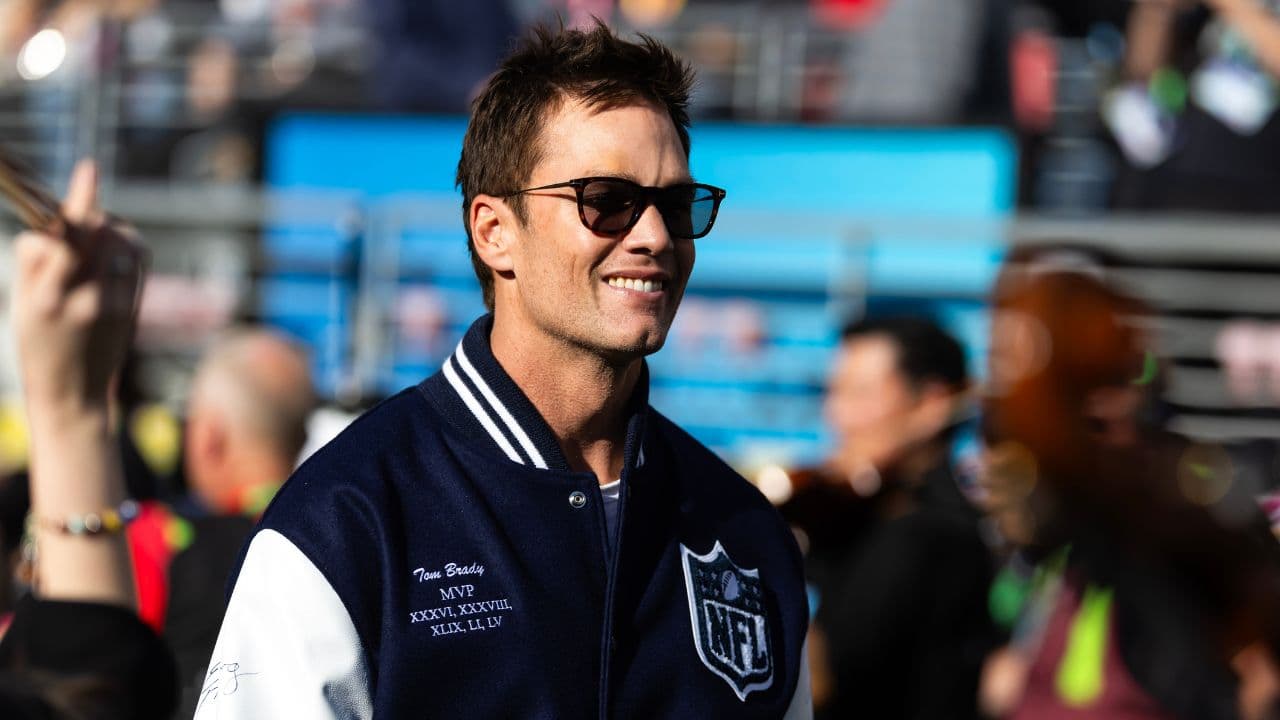
According to Cam Newton, the answer is glaringly obvious. The league has yet to atone for its increasing lack of star power on a yearly basis. “They had Tom Brady. Man, Tom Brady ain’t played in a Pro Bowl even when he was playing,” the former Carolina Panther exclaimed during the latest episode of his 4th & 1 podcast.
“You got so many stars. You got more stars than Rolls-Royce Seven. They done figured that out. Whatever Michael Rubin is doing and has done, he’s got the formula. So whatever he did, hey NFL, Roger [Goodell,] do that.”
The 2026 rendition of Fanatics’ event managed to net 650,000 viewers, which is a far cry from the two million viewers that this year’s Pro Bowl managed to secure. When you zoom out, however, that’s the lowest total that the NFL has generated in quite some time, and it also represents a nearly 60% decrease in interest from the previous year.
Suffice to say, Fanatics has begun to close the gap and in a relatively short matter of time as well. “You had a star studded coaching staff too… I was in awe and clutching my pearls.”
Unfortunately for the NFL, there doesn’t appear to be any immediate solution to the dwindling popularity of the Pro Bowl. The league doesn’t have the ability to feature former players like Tom Brady, and the inclusion of a cash prize of $96,000 for this year’s winner didn’t seem to do much either in terms of competition or interest.
The league is facing the impossible problem of wanting to showcase its players, who do not want to risk injury in a meaningless offseason competition, while also putting on a palatable event for fans. Fanatics was able to solve this by featuring big names while providing a solution to the debate surrounding who should have the right to represent the U.S. when flag football is introduced to the Olympics in 2028.
Until the NFL is able to create a formula, or an issue that fans are actually willing to care about, this trend will likely continue. Then again, if there’s anything we know about the NFL, it’s that it doesn’t like to lose, so fans can expect even more changes in the coming years.