


Why Is 400 Meters Sprint Considered the Most Grueling Event in Track and Field?

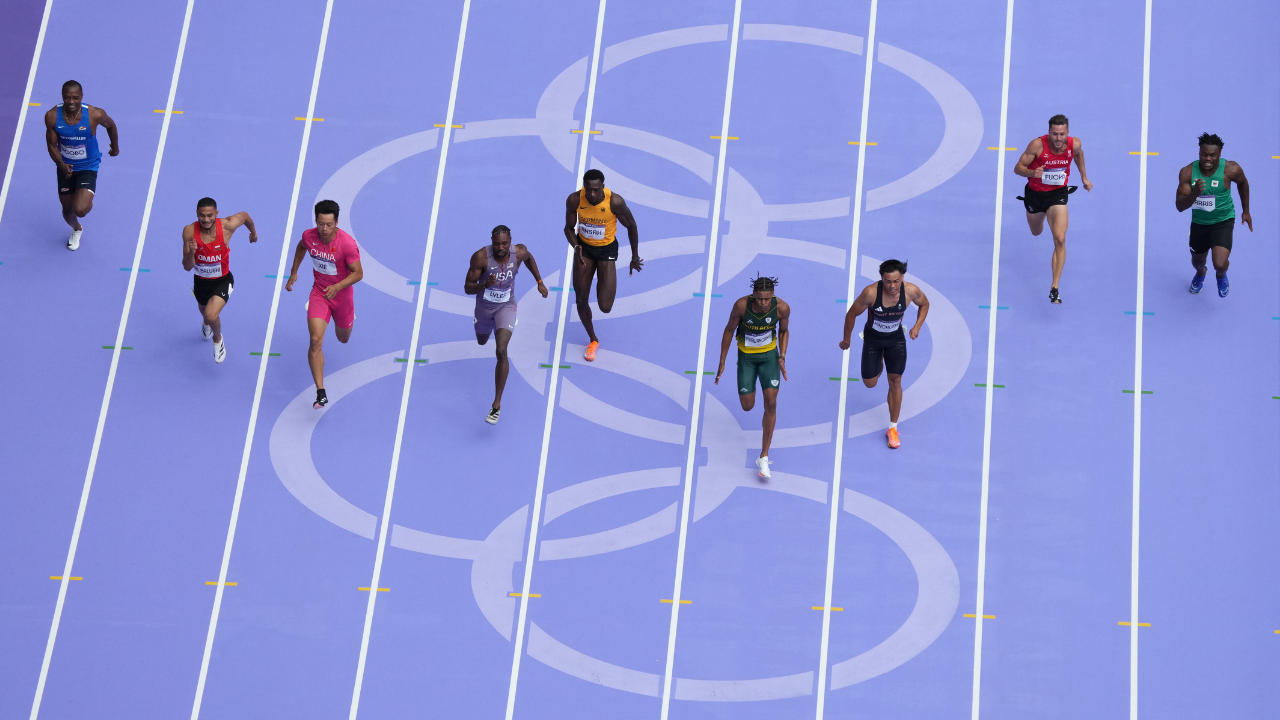
Iconic sprinters on track may have always made long-distance running look easy due to their skills and build. However, a recent explainer video doing rounds on the internet showed how a simple 400m sprint could be extremely taxing for the body.
The natural process of energy production involves three main systems, each gradually slowing down the production as the sprinter moves forth in distance.
These include ATP-CP, Anaerobic energy system, and Aerobic energy system. They work through different phases of the race and affect the athlete in several ways.
Knowing more about the system helps sprinters cope with the natural processes in the body, thereby enabling them to power through some rough segments.
Former Olympian and gold medalist Michael Johnson mulled over this subject on X, recalling his days of mastering the 400m sprint.
“Understanding this process was key to me breaking the WR and consistently running 43 seconds.”
One can divide this process into four phases throughout the race, depending on the distance and one’s reactions to the energy production. The post that Johnson shared divided the 400m sprint into four parts and explained the detailed happenings during each section.
Good accurate explainer of the effects on the body of sprinting 400 meters. Understanding this process was key to me breaking the WR and consistently running 43 seconds. https://t.co/L6WWO09Dtj
— Michael Johnson (@MJGold) August 7, 2024
The first 5-10 seconds, where the athlete may cover up to about 50m, will witness the ATP-CP process, where they experience explosive amounts of energy.
This method produces and dissipates the energy throughout the body, allowing athletes to gain a speedy headstart into the race.
Then comes the second phase, where the athlete aims to cover half the distance throughout the 400m sprint. The body burns through glucose without oxygen in an anaerobic system, leading to an increase in lactic acid build-up in muscles.
This process makes it difficult for the athletes to move on, and energy production becomes less efficient.
After aiming to complete about halfway through the race, the systems switch to oxygen to help break down body glucose. The aerobic process is different from the previous system, wherein it uses oxygen to produce energy, but the output is lesser and slower than before.
A sprinter can keep up with this momentum for the next 100m or so.
The final push in the race comes from anaerobic reserves that still have some energy-building capacity in them. The aerobic process is slow, and the body is forced to resort to this technique even though the results are mostly due to mental well-being and strengthening.
The lactic acid production in this phase is at an all-time high, and therefore it is important to keep oneself mentally strong to push through the last few metres.
About the author


-

Radha Iyer •
“One of the Mistakes”: Gabby Thomas Gives Hot Take on ‘Chasing Records’ as She Aims for World Championships in Tokyo
-

Radha Iyer •
From Brittany Brown and Gabby Thomas to Shericka Jackson – Track Veterans Reveal Their Women’s 200m Picks to Look Out for Next Season
-

Radha Iyer •
“More Mindful, Relaxed”: Gabby Thomas Wraps Up ‘Restorative Trip’ Abroad; Expresses Gratitude
-

Radha Iyer •
Alexis Ohanian Catches ‘Simone Biles in Town’ at the Gold Over America Tour With Family
-

Radha Iyer •
Gabby Thomas Reveals She “Can’t Wait” to Don Special Role at TCS New York City Marathon
-

Radha Iyer •
Michael Johnson Reveals Historic 1968 Race to Be His ‘Favorite Race of All Time’