


Pittsburgh’s Unreported Illness of Aaron Rodgers Could Bring NFL Fines After Playoff Blowout

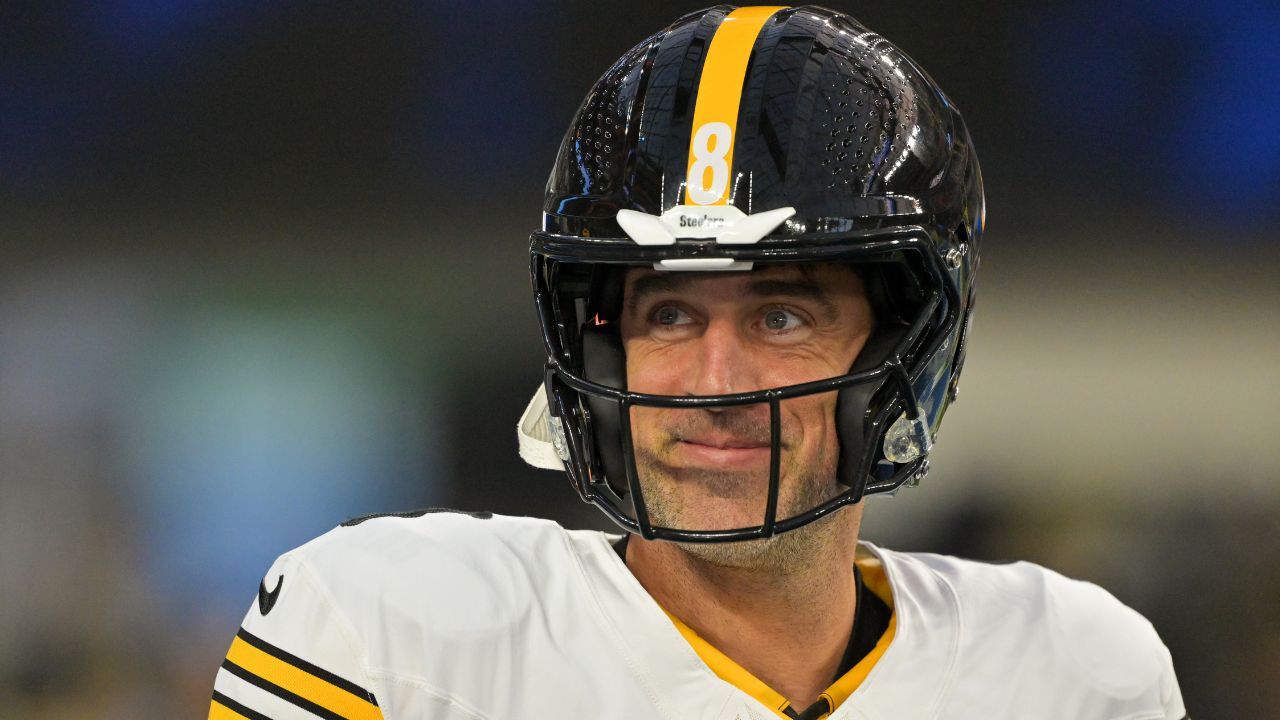
Aaron Rodgers was battling flu-like symptoms, including fever and vomiting, in the hours leading up to the Pittsburgh Steelers‘ wild-card loss to the Houston Texans in January. The team never disclosed it. The news, published by Michael Silver of The Athletic, is now raising questions about what Pittsburgh knew, what it chose not to report, and what the NFL plans to do about it.
Rodgers disclosed the illness himself during a training camp interview, roughly six and a half months after the game. “I wasn’t feeling good, and I actually came over to the team hotel, and they sent me home, probably because I was pale and looked like s-,” Rodgers told Silver.
Rodgers insisted he had recovered by kickoff and was careful to credit Houston‘s defense for the result. But former Steelers offensive coordinator Arthur Smith, now in a similar role at Ohio State, pushed back on that. “He’s definitely downplaying it,” Smith told Silver. “There was never a question he was gonna play, and he’s never one to complain, but he looked terrible [before the game].”
The Steelers’ Injury Report Told a Different Story
Pittsburgh did not update its injury report to reflect that Rodgers was ill before the playoff game, a decision that is now drawing league scrutiny. Per Mike Florio of NBC Sports’ ProFootballTalk, the NFL declined comment when asked directly about the Steelers’ failure to disclose.
The precedent here is uncomfortable for Pittsburgh. In 2023, the NFL fined the Atlanta Falcons $75,000 and then-head coach Arthur Smith, the same Smith now commenting on Rodgers’ condition, $25,000 for failing to disclose that running back Bijan Robinson was ill on the morning of a game.
Robinson played. The Falcons were penalized. The parallel is direct, and Florio noted that the league has no way to ignore it, particularly given the NFL’s stated commitment to injury-report transparency in a fully legalized betting environment.
Quarterback health is material inside information. Unreported illness affects point spreads and prop markets. The Steelers had that information and kept it internal.
Did the Illness Affect Rodgers’ Performance?
Whether the illness caused the loss is a separate question from whether it should have been disclosed, but the numbers don’t help Rodgers’ case either way. He finished 17-of-33 for 146 yards against Houston’s top-ranked defense, and threw one interception that became a pick-six late in the fourth quarter. His 50.8 passer rating was the worst of his postseason career.
Rodgers was pulled late in the 30-6 loss. The visiting Texans turned the ball over three times and still posted the largest margin of victory on wild-card weekend.
What Pittsburgh Now Has to Answer For
The disclosure lands at an already complicated moment for the franchise. Mike Tomlin resigned the day after the playoff loss, ending a 19-season tenure. Rodgers returned to Pittsburgh for 2026 under a new coaching staff, and the organization has been working to reset its public image heading into training camp. This story complicates that effort.
The NFL‘s declining to comment publicly should not be read as a pass. Florio reported that league and media outlets had independently confirmed that the illness was real and that the report was not updated. Any disciplinary action, if it comes, would likely arrive later in the preseason or into the regular season.
About the author


-

Kris Johnson •
Zxavian Harris Move Exposes NFL-College Eligibility Gap: There’s ‘No Regulation’
-

Kris Johnson •
Chargers Add Oregon Tight End Patrick Herbert to Practice Squad
-

Kris Johnson •
Andy Reid Puts Patrick Mahomes on Track to Return for Chiefs’ Season Opener
-
Kris Johnson •
Cowboys-Saints Joint Practice Descends Into Chaos as Coaches Consider Stopping It
-

Adam Roarty •
Houston Texans Weigh C.J. Stroud Extension Before Week 1
-

Kris Johnson •
Ex-Buffalo Safety Jordan Poyer Questions Jalen Hurts’ Late-Game Comeback Ability