


Andy Roddick Agrees With US Open Head Taking Dig at Age-Old Wimbledon Scheduling Rule

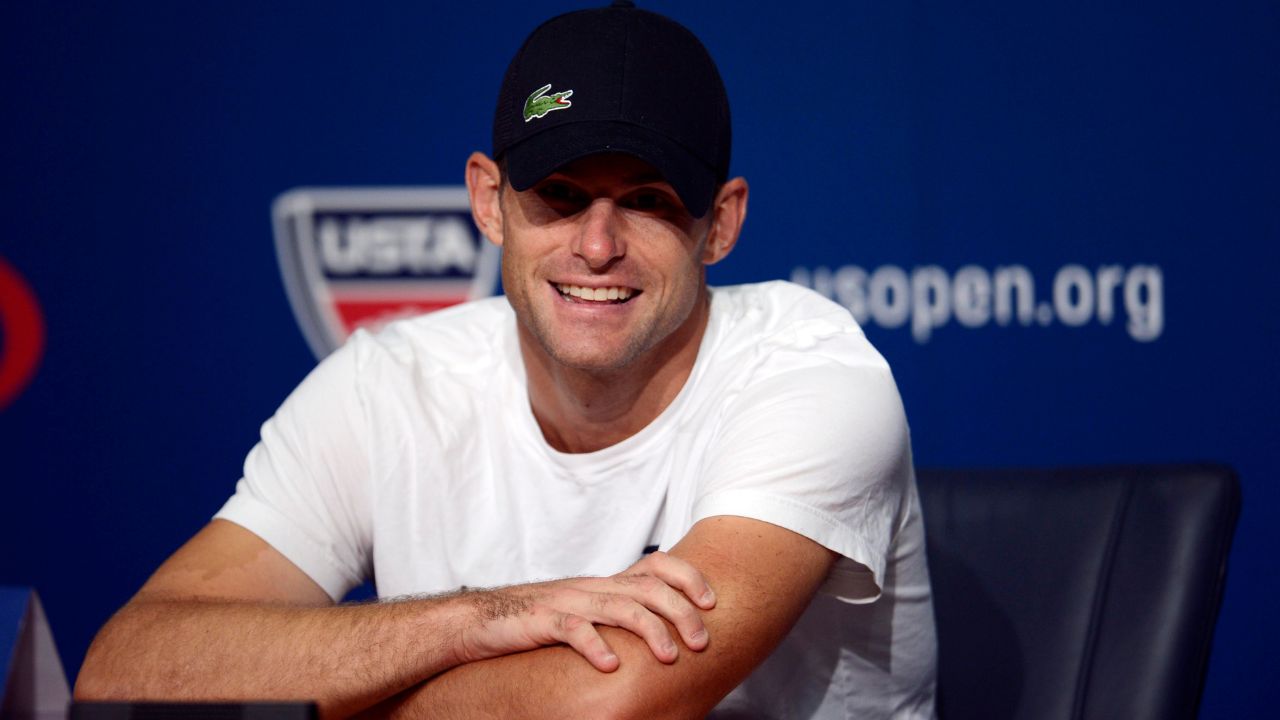
US Open director Stacey Allaster did not mince words while speaking with former American tennis player Andy Roddick concerning the debates surrounding late-night matches. This also led her to speak out against Wimbledon’s night curfew rule, for which she received the support of the podcast host Roddick.
After receiving numerous questions about the rise in the number of late-night games and their adverse effects on athletes’ health, the US Open’s director finally decided to address them. She believes that it is not feasible for them to impose a curfew because players do not prefer the game to be stopped and then asked to return the next day.
“What I hear from players is that you’re ready to go, and you want the referee to say, ‘Hey guys, come back tomorrow?’ No. Exactly,” said Allaster while putting forth the players’ point of view.
She received support from Roddick on this stance. The former player explained how it’s not practical for them to spend a day on the court and then return the next day and continue from where they left off.
“Basically, when the match before you goes on, you need to be twenty minutes away from going on at all moments, and you can be twenty minutes away from going on for six hours, depending on what match you’re following. I’m already losing half of a day recovery, minimum,” Roddick was quoted by Tennis Channel.
“If I go to the next day, and all of a sudden, I get caught in a five-hour throwdown match and then I have to go back-to-back, that’s not a realistic scenario for me if I can buy ten hours on the front end. So, pretending as if there is a scripted version of this problem isn’t the place to start this conversation, in my opinion.”
Recently, a report was published by the Professional Tennis Players Association stating how the increasing duration of matches and the games ending late at night has been affecting players’ health. It further added that this has a direct impact on the injury rate and makes players more vulnerable to getting injuries.
Players like Iga Swiatek, Aryna Sabalenka, Novak Djokovic, and Jannik Sinner, among others, have raised similar concerns and how their mental health was also being affected because of matches ending late at night. This became even more relevant when the frequency of such matches increased at this year’s US Open.
About the author

-

Nandini Rikhee •
“Thank You All For Being Fair”: Jannik Sinner Takes Subtle Dig at Critics Over Doping Controversy After Winning US Open Title
-
Utkarsh Bhatla •
Serena Williams explains reasons for her withdrawal from French Open
-
Rohan Krishnaraj Kollare •
Jimmy Connors Snubs Wimbledon Champion for Ons Jabeur: “Look at Who She Beat”
-
Advait Jajodia •
Ben Shelton Makes Shocking Statement on Italian Open Crowd After Sebastian Korda and Sofia Kenin Controversies
-
Nandini Rikhee •
Rafael Nadal’s First Day After Retirement Announcement Coincides With Record Win at French Open
-
Puranjay Dixit •
2024 United Cup Schedule, Draw, Format, Prize Money & Defending Champions: Everything You Need to Know