


NASCAR EVP John Probst Touts the Next Gen Car’s Role in Bringing Racing to Places Like San Diego

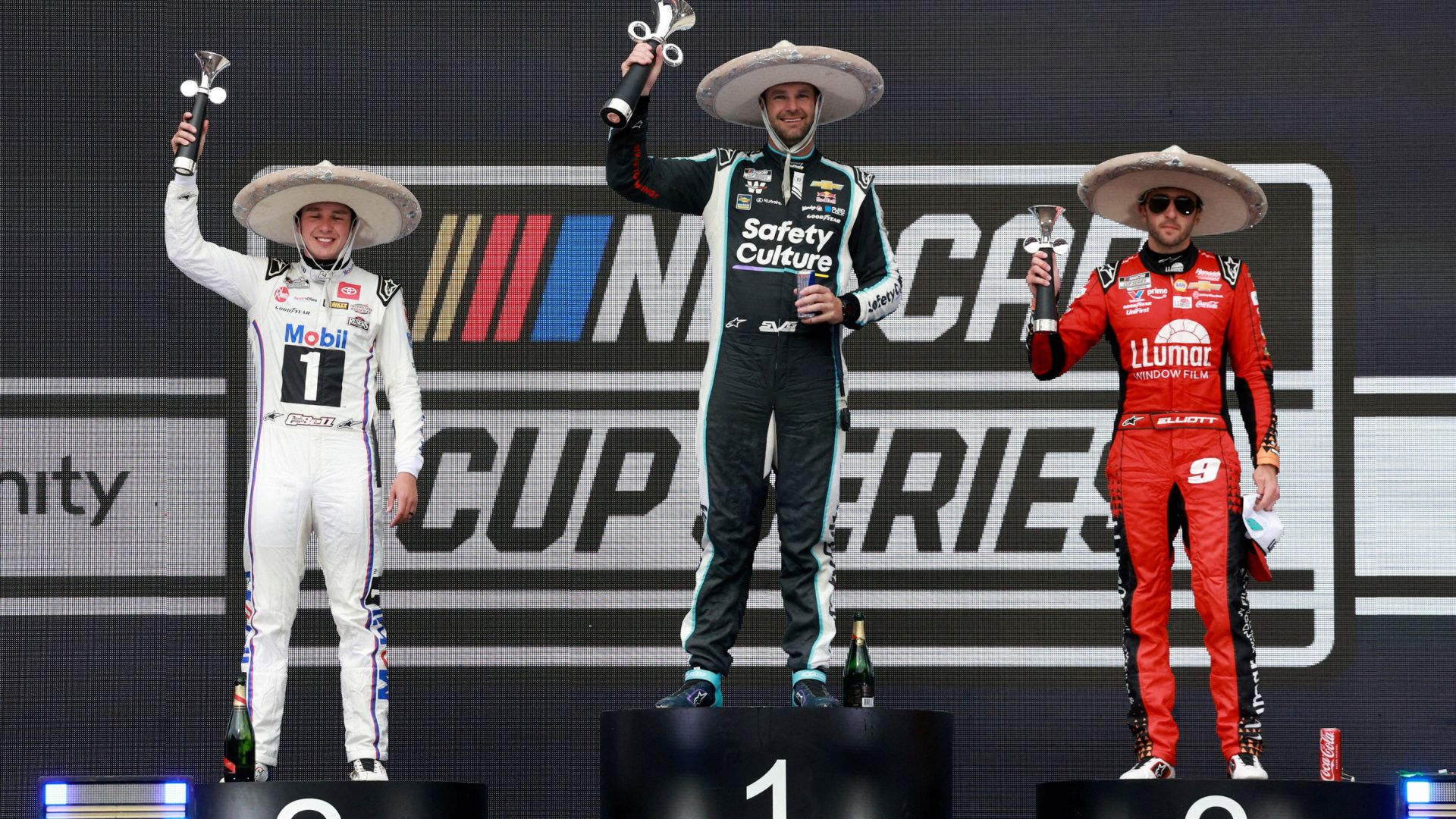
NASCAR’s plan to stage races at tracks that are not traditional strongholds has not been easy for the organization. It has absorbed significant losses, but the forward-looking mindset remains firmly in place as the sport prepares to expand its footprint further by evaluating a potential race in San Diego next season. According to John Probst, the arrival of the Next Gen car has played a central role in turning that ambition from theoretical into realistic.
During testimony tied to the antitrust lawsuit, Steve O’Donnell, who was serving as NASCAR’s chief operating officer, acknowledged that NASCAR absorbed losses of roughly $55 million over three years while operating the Chicago Street Course and another $6 million staging the Mexico City event in June.
NASCAR has deliberately blended nostalgia with novelty. The schedule has welcomed returns to historic venues such as Bowman Gray Stadium and North Wilkesboro, while simultaneously embracing unconventional destinations and modern street circuits.
Probst explained that the sheer range of surfaces and layouts on the calendar places the race car itself at the heart of that strategy. From dirt to street courses, from traditional road circuits to paved short tracks and concrete superspeedways, Probst noted that the Gen 7 platform was engineered with versatility as a core principle.
When NASCAR’s R&D group developed the Next Gen car, they did so with the expectation that it would need to span a broad spectrum of track types, many of which were already on the horizon. Probst joked that the designers never thoughtfully planned for racing on ice, though he quipped that the officials often joke about trying it someday.
Humor aside, his point was that “The car itself is able to be run at all those tracks with minimal changes. And when you look at what we’ve done with the new car compared to the Gen 6 car, when we span the breadth of tracks that our sport races on, we change very few components.”
That adaptability has become a key element of NASCAR’s current expansion plans. The Next Gen car can transition from road and street circuits to high-speed venues such as Talladega or Daytona with only modest adjustments, including undertray modifications and select bolt-on components that allow for a more symmetrical wheel alignment.
Probst stressed that this flexibility has empowered Ben Kennedy, Chief Venue & Racing Innovations Officer, and his scheduling group to think creatively. It has enabled NASCAR to venture into new markets.
About the author


-

Gowtham Ramalingam •
“He Was Badass”: Dale Earnhardt Jr. Recalls His Encounter With NFL Legend and Former NASCAR Team Owner Randy Moss
-
Gowtham Ramalingam •
Alex Bowman Comes Clean on Race Manipulation Accusation Against Richard Childress’ Driver
-
Gowtham Ramalingam •
How Has Car Inspection Evolved in NASCAR?
-
Nilavro Ghosh •
How Alex Bowman Is Successfully Squashing Rumors Surrounding His NASCAR Future
-
Gowtham Ramalingam •
Chase Elliott and Kyle Larson React as Another NASCAR Milestone Beckons Hendrick Motorsports
-
Neha Dwivedi •
Ryan Blaney Gives the Story Behind Wife Gianna’s Motivating Chant That Became Viral Among NASCAR Fans