


Despite Incurring Losses, NASCAR’s Visits to Chicago and Mexico Led to Amazon’s Interest in the Sport

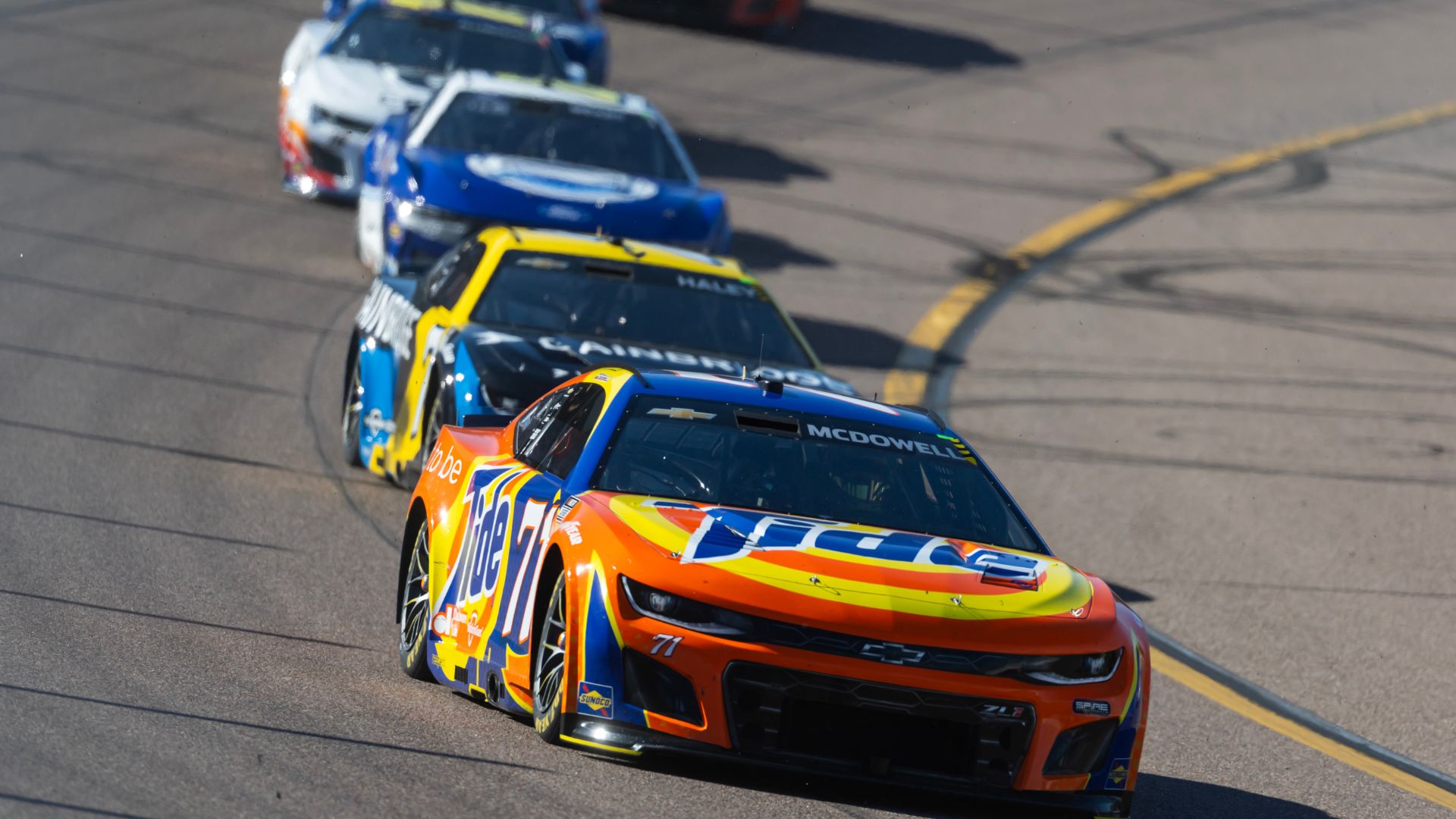
The third day of testimony skinned the curtain on the standoff between NASCAR and its race teams over the charter extension. According to the testimonies, teams approached NASCAR leadership in early 2022 with a clear message: the existing revenue model left them underwater, and they needed structural change to keep their operations afloat. Steve O’Donnell, then NASCAR’s chief operating officer, acknowledged that some of the teams argued they were fighting for their financial survival, but countered that NASCAR itself had taken sizable hits while trying to push the sport into new markets.
O’Donnell detailed the league’s own losses, noting that NASCAR bled $55 million across three years running the Chicago Street Course and another $6 million staging the Mexico City event in June. Yet he framed those decisions as calculated bets taken to grow the sport’s audience and secure long-term partners.
“It was a strategic investment because if not for that, Amazon would not have become a broadcast partner… We would not have been in Mexico City (in 2025), and the TV partner (Amazon Prime Video) would not have paid the money they did,” O’Donnell testified.
He also explained how the Chicago Street Course project, initially a hard sell to the board and to chairman Jim France himself, became the linchpin of NASCAR’s pitch to Amazon. After Kessler wrapped his cross-examination, O’Donnell reiterated to outside counsel Chris Yates that Amazon made it clear they would not have entertained any conversation about rights deals without the
Chicago proof of concept. “It was a long shot, but we were able to pull it off, and it was a successful event,” he admitted.
Still, the timing of these big-dollar gambles rubbed against the teams’ own precarious finances. Internal communications presented in court revealed that NASCAR privately worried about an outright breakaway, something akin to the LIV Golf disruption, if teams felt cornered.
That anxiety intensified with the rise of SRX, the short-lived but nationally televised summer series founded by Tony Stewart. NASCAR viewed SRX as a genuine threat, particularly because current Cup drivers and team owners participated, lending it credibility and siphoning attention away from the league.
Kessler attempted to draw a straight line from that fear to NASCAR’s efforts to lock down exclusivity agreements with racetracks, effectively blocking any alternative stock-car series from running on Cup venues. To him, it revealed that NASCAR sought not collaboration but total control, leaving the teams boxed in.
As of now, though, both sides remain dug in beneath the courtroom lights, each insisting its actions served the sport’s long-term health. Whether the jury sees those decisions as stewardship or strong-arming will determine far more than which party prevails; it could reshape the balance of power in modern NASCAR.
About the author


-
Neha Dwivedi •
Denny Hamlin Echoes Dale Earnhardt Jr., Hammers Down on Atlanta’s NASCAR Prospects in the Future
-
Srijan Mandal •
“Has a Way of Just Being There”: Kyle Petty Buys Denny Hamlin Stock Despite Recent Outburst
-
Rahul Ahluwalia •
How Kyle Busch Can Still Save His NASCAR Season Despite RCR Struggles
-
Gowtham Ramalingam •
What Is Kyle Busch & Samantha Busch’s Bundle of Joy Fund? A Detailed Look At the NASCAR Couple’s Humanitarian Efforts
-
Shaharyar •
NASCAR Update: Why Denny Hamlin Is Happy About Going Back to Concrete in Bristol
-
Shaharyar •
“Playoffs or Bust”: Spire Motorsports’ $40 Million Investment Could Put Corey LaJoie on “The Hotseat”