


Christopher Bell Details How Road Course Racing Actually Differs from Traditional NASCAR Racing for a Driver

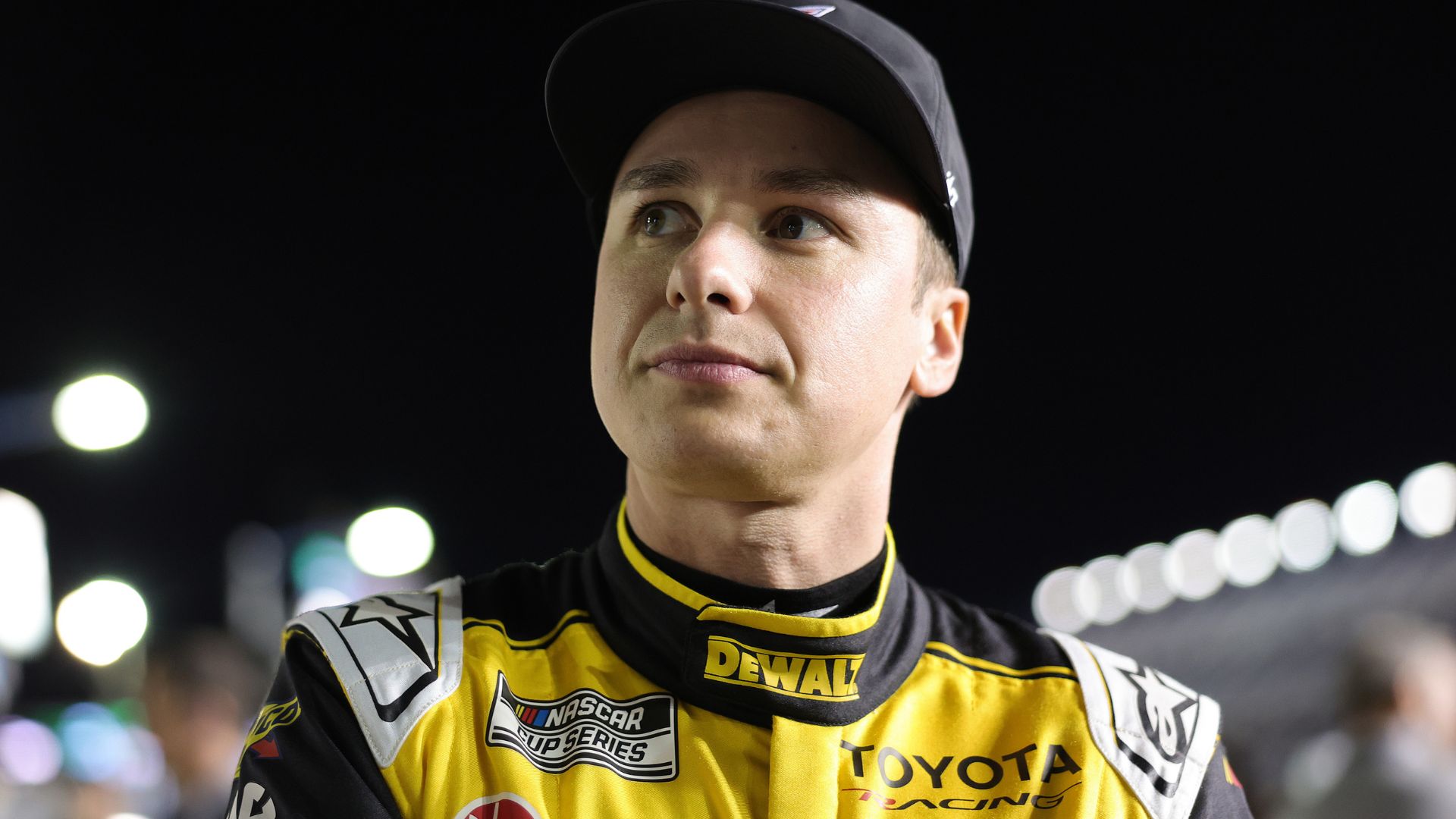
Christopher Bell’s last season versus this season has two contrasting outputs. At this point a year ago, he had already parked it in Victory Lane once, rebounding from a stumble at the Daytona 500 and building momentum. But this time, the opening stretch of the NASCAR Cup Series has left him chasing ground.
After the Daytona 500 race ended badly again, at Atlanta, a late move by Carson Hocevar sent Bell into the SAFER barrier and wiped away a shot at the win. Now NASACR is heading to Circuit of the Americas, where Bell found pay dirt last season. In 2025, he started 19th, led eight laps, and surged late to seal the deal, holding off William Byron when it counted.
Bell understands what that win required. Road-course racing calls for a different rhythm, more throttle control, braking zones, and the constant switching from left to right after weeks of turning in one direction. The margin for error on such tracks shrinks, and the driver stands alone.
Giving a sneak peek into what goes into preparing for a road course race vs an oval race, Bell said to Fox, “Obviously, the preparation of the car is a lot different, and there’s a lot more similar to goes into it. So, road course racing is a lot more of you versus the racetrack compared to the oval racing, and specifically the Superspeedway style racing that we’ve done the last couple weeks at Daytona and Atlanta.”
“Here it is, just driver and racetrack and the guy who gets around the racetrack. The fastest is going to be the winner. You don’t have to rely on a bunch of help, like you do with some of the other races,” he continued.
However, the Joe Gibbs Racing driver did agree to the fact that COTA is a more physical race for drivers and their bodies. While venues such as Dover and Bristol deliver sustained G-forces and long runs, COTA tests drivers in a different way. The layout throws rapid direction changes, from right-hand corners to left-hand turns in quick succession.
In the esses through Turns 3, 4, and 5, the car can step out without warning, and it falls on the driver to catch it before it snaps loose. “It’s a physical racetrack,” Bell said, noting the strain of being tossed side to side while managing braking points and wheel spin.
For Bell, the task ahead is to steady the ship and let the result follow. Last year, COTA marked a major turning point, giving him the momentum he needed. This time, it may offer a chance to stop the slide and remind the field that when the race comes down to driver versus track, he can still settle the score.
About the author


-

Ankit Sharma •
“Need Exactly What We Got”: Dale Earnhardt Jr. Believes “Boring” NASCAR Will Benefit From Denny Hamlin-Kyle Larson Confrontation in Big Way
-
Gowtham Ramalingam •
Joey Logano Insider Shuts Down Criticism Around Undeserved Championship Claims
-
Srijan Mandal •
Kyle Larson Heads Into Las Vegas as Favorite, Teammate William Byron and Denny Hamlin Follow
-
Ankit Sharma •
“Limits to Everything”: Brad Keselowski and Martin Truex Jr. Take Different Tones on Challenging NASCAR Aspect
-
Gowtham Ramalingam •
Can Josh Berry Find Success at Home Track After Season-Best NASCAR Performance?
-
Gowtham Ramalingam •
Kevin Harvick Sounds the Alarm Bells for Ross Chastain Amid Dismal NASCAR Run