


Are F1 Teams Struggling From Donald Trump-Enforced Tariffs?

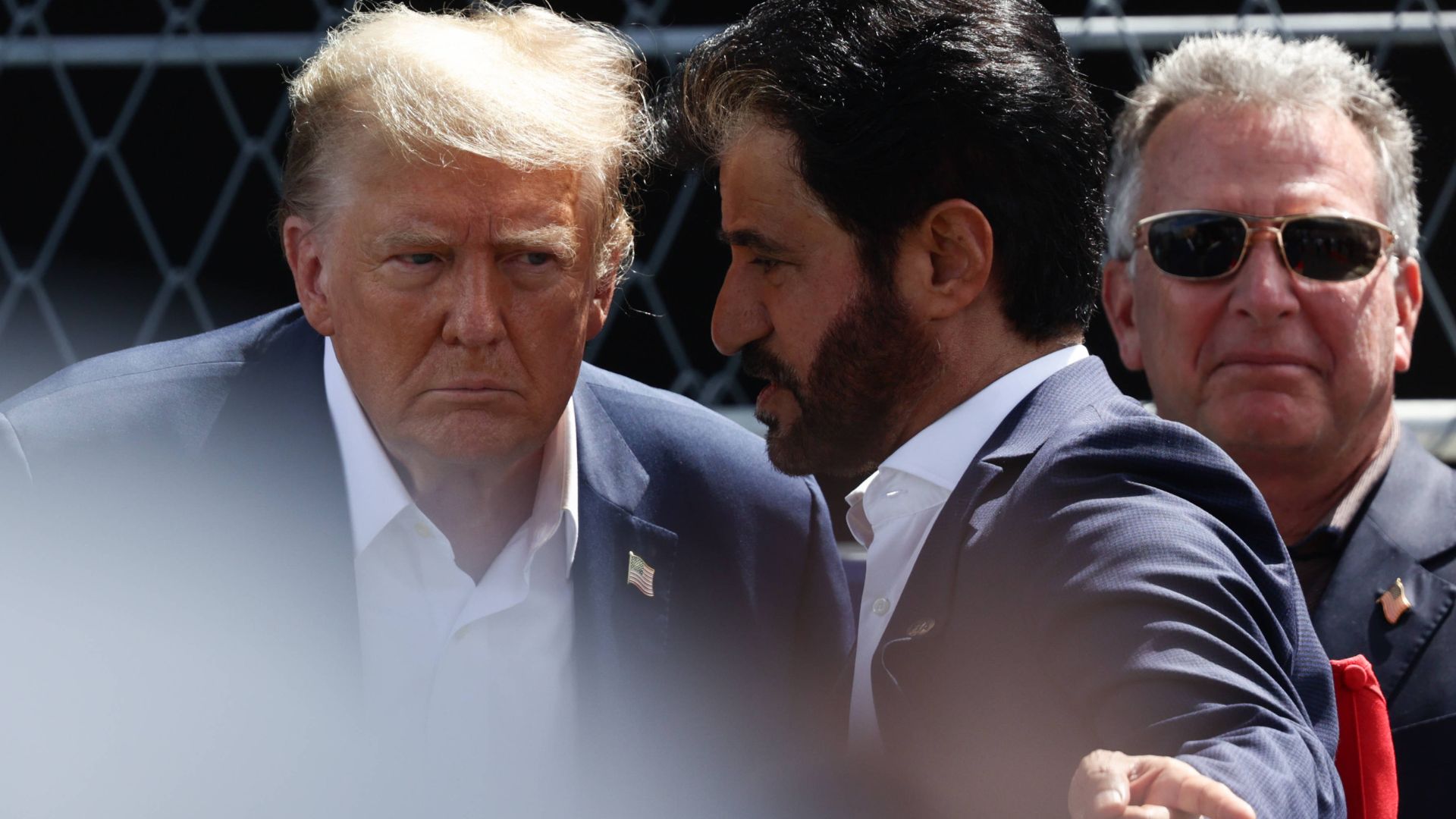
Over the past couple of weeks, U.S. President Donald Trump’s reciprocal tariffs have caused economic turmoil across the globe. Stock markets are plunging, investors are panicking, and large companies are uncertain whether to remain optimistic or adopt a more cautious stance.
It doesn’t matter where one resides — U.S. tariffs affect everyone in some way.
With F1’s popularity soaring in recent years and teams reaching record valuations, it might appear that the sport is immune to the effects of U.S. tariffs. However, that is far from the truth.
Haas issued a press release stating that while they have not yet experienced significant consequences from the tariffs, they are proceeding with caution, anticipating potential adverse effects. “Haas Automation is in the process of studying the full impact of tariffs on our operations,” the statement read.
Having already witnessed “a dramatic decrease in demand for our machine tools from both domestic and foreign customers,” Haas has decided to scale back production and eliminate overtime at its sole manufacturing facility in Oxnard, California.
The company has also halted all hiring efforts.
Haas Automation Statement Regarding Tariffs pic.twitter.com/8Q9BuSOHHf
— Haas Automation, Inc (@Haas_Automation) April 8, 2025
That said, Haas are confident that “the Trump Administration will come up with solutions to provide relief for U.S. manufacturers“.
The tariffs were never intended to harm domestic producers. The goal was simply to ensure that foreign goods were taxed at the same rate as U.S. goods are taxed abroad.
President Trump repeatedly emphasized how he found it unfair that U.S. exports faced significantly higher tariffs in other countries, contributing to America’s growing trade deficit.
What stood out in Haas’ press release, however, was the absence of any mention of concerns regarding their Formula 1 operations.
Given that Haas operates not only in the U.S. but also across Europe, it is likely that Trump’s tariffs will eventually impact their motorsport business as well. It now seems to be a matter of how quickly they can identify potential issues and devise appropriate solutions.
The biggest challenge that Formula 1 teams may face in the near future is related to sponsorships. If a global recession does materialize — as many economists are predicting — sponsors might become more reluctant to spend as freely as before. In such a scenario, even the most successful teams are bound to experience financial strain.
About the author


-

Veerendra Vikram Singh •
Ruth Buscombe Pens Emotional Letter for Ex-Colleagues Valtteri Bottas and Zhou Guanyu on F1 Exit
-

Somin Bhattacharjee •
“Better than Sebastian Vettel?”: Helmut Marko hails Max Verstappen as the best driver Red Bull has ever had
-

Pranay Bhagi •
Oscar Piastri Didn’t Want to Go through What Max Verstappen Faced Because of Lando Norris Last Year
-

Tanish Chachra •
Fernando Alonso and Colton Herta is perfect F1 lineup for Former F1 champion
-

Srijon Jana •
After Impacting 7,423,967 Listeners, Charles Leclerc Reveals Humble Inspiration Behind Peculiar Song Names
-

Tanish Chachra •
“He has symptoms”- Toto Wolff reveals Lewis Hamilton’s recovery from COVID-19