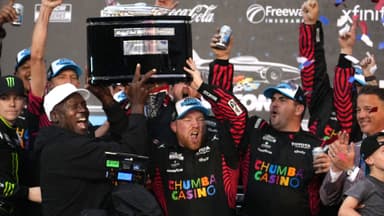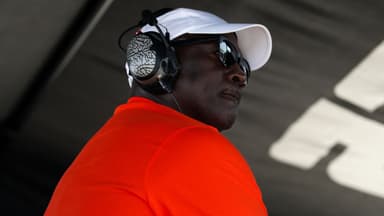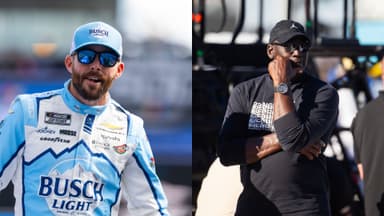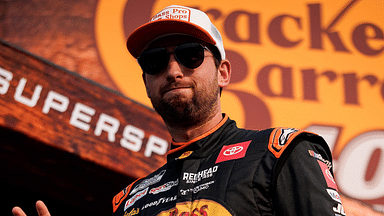
Denny Hamlin’s testimony in the antitrust trial offered one of the clearest windows yet into his personal stake in 23XI Racing. He disclosed that he has invested $45 million into the organization, roughly $10 million in cash and the remainder through loans, stressing that his 40 percent ownership share is not a vanity project but a long-term commitment to the sport’s future. So, it is safe to say that he had a lot at stake with respect to the outcome of the trial.
Advertisement
That financial footprint made the lawsuit’s risks painfully real. A loss in court would have jeopardized not only the team’s charters but the substantial capital tied up in 23XI’s headquarters, Airspeed.
Once NASCAR and the plaintiff teams reached a settlement, Hamlin finally exhaled. He admitted that the ordeal rattled him in a way no checkered-flag moment ever had.
“It was the most nervous I’ve ever been. I’ve raced a lot of races, but that was the most nerving part about it,” he said, explaining that testifying allowed him to lay out not only the dispute’s substance but the story of his own path in the sport. That deeper reflection reaffirmed that Hamlin’s push for change stemmed from his refusal to let stock-car racing stagnate on his watch.
The discovery phase revealed tense exchanges between Hamlin and various business partners, but he brushed aside any notion of lasting fractures. “Oh, yeah,” the Joe Gibbs Racing driver replied when asked whether those relationships could move forward. He likened 23XI to a marriage, insisting that healthy organizations require internal accountability.
Without people capable of checking him, Hamlin admitted that he would lean entirely toward doing whatever it took to win races. The lawsuit, in his view, was ultimately about protecting the team’s long-term footing in a system that had drifted too far from equitable partnership.
Despite everything, Hamlin’s on-track future remains unchanged. He reiterated that he will continue driving for Joe Gibbs Racing, honoring the two-year contract he signed before the dispute escalated. The settlement simply cleared the mental clutter that had been trailing him through a turbulent offseason.
Reflecting on the compromises that shaped the agreement, the 23XI Racing co-owner said, “I feel like everything within the settlement is going to grow the sport and it’s going to be better for everyone. There’s no doubt about it.” His smile, however, suggested genuine relief, the kind he had not displayed before his championship bid unraveled in Phoenix.
With charters now effectively evergreen, teams will receive more meaningful revenue shares, and competitive balance back at the forefront of discussion, the coming season looms as a turning point. If NASCAR delivers on this new framework, it could reshape everything from playoff dynamics to technical freedoms.