


How NASCAR & NASA Teamed Up After 2024 Watkins Glen Race To Improve Driver Safety

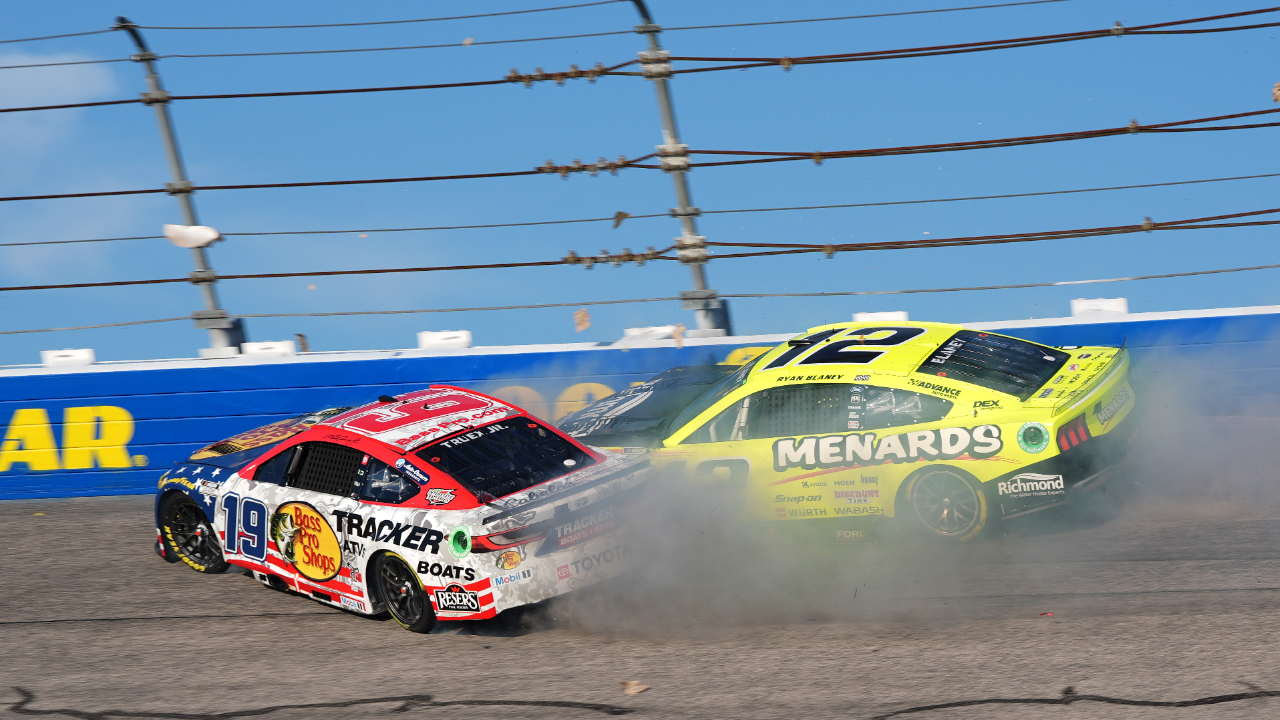
Mouthpiece sensors have become a huge part of driver safety since 2023. At least 10 drivers have worn them every weekend since the Watkins Glen race last year when the use of the sensors came to full light. Kyle Larson was one of the few who had agreed to wear it before then and the data from it showcased the invisible danger that the inner loop of the road course circuit held.
The mouthpiece data showed nearly 1,000 impact events in the inner loop despite there being no crashes. This led NASCAR and John Patalak, Senior Director of Safety Engineering, to evaluate videos and drivers to reconfigure the corner. The new configuration that was created had smoother curbs and no elevated rumble strips. The changes proved the importance of the mouthpieces.
The tiny strips that are placed in the upper dentition were first thought of in 2018 as a result of Patalak’s association with the Wake Forest University School of Medicine. The school was one of the groups researching on behalf of NASA and was more than interested in designing custom technology that would help extract crucial data from the skull movements of drivers during a race.
The flexible and thin piece is nearly identical to a teeth alignment device and produces minimal discomfort for drivers wearing them. It is manufactured at the Hurst Dental Labs in Winston-Salem and can be customized to every driver’s skull structure to a very precise level. Dr. Joel Stitzel, with whom Patalak studied at the university to earn a doctorate, oversees the entire project with NASCAR.
Driver opinions about wearing mouthpieces during races
Currently, it is not a mandatory requirement for drivers to wear the pieces. They don’t increase the level of safety that drivers have in the cars but deliver crucial pieces of information just as a black box does. A few like Larson, Ryan Blaney, and Joey Logano have been gracious enough to help the promotion’s R&D efforts.
Larson noted after last year’s race at the Glen, “Something needed to be done. What was there before was not safe for the brain.” His words and enthusiasm to make use of the data were met with a huge reception from the medical research team. The defending Cup Series champion Blaney was equally spiked about it as well.
He said, “It’s a good indication of just what your head goes through. It was interesting to me to look through it after Daytona with the NASCAR and Wake Forest folks and understand what it all means.”
Up to 16 drivers wear the mouthpieces during races currently. The goal for both Patalak and Wake Forest is to improve participation to 100% and extract the maximum possible data from the pieces in the future.
About the author

-
Neha Dwivedi •
How Carson Hocevar Gets Away From NASCAR Cup Series Pressure With Help From His Team
-
Tanish Chachra •
JJ Yeley 2009 F1 World Champion: Motorsport Fans Laugh at NASCAR’s Television Blunder
-
Rahul Ahluwalia •
NASCAR Crown Jewel Race on F1 Team Boss’ Radar: “Could See Something Like That”
-
Soumyadeep Saha •
How Christopher Bell Claimed Victory in Phoenix After Pitstop Cycle Left Him 20th on the Track
-
Neha Dwivedi •
Kyle Busch Will Never Hesitate to Bump His Son Brexton for A Win on the Race Track
-
Neha Dwivedi •
What Was Rudy Fugle’s Explosive Message on William Byron’s Radio All About?