NASCAR’s recent settlement of the antitrust lawsuit filed by 23XI Racing and Front Row Motorsports marked a turning point for the sport, particularly in how it treats teams when it comes to revenue sharing and charter negotiations.
Advertisement
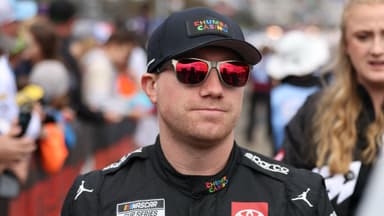
While officials corrected a major misstep by finally placing teams on equal footing with sponsors and other commercial partners, veteran Kenny Wallace believes that deeper wounds still explain why a large section of stock car racing’s traditional audience drifted away.
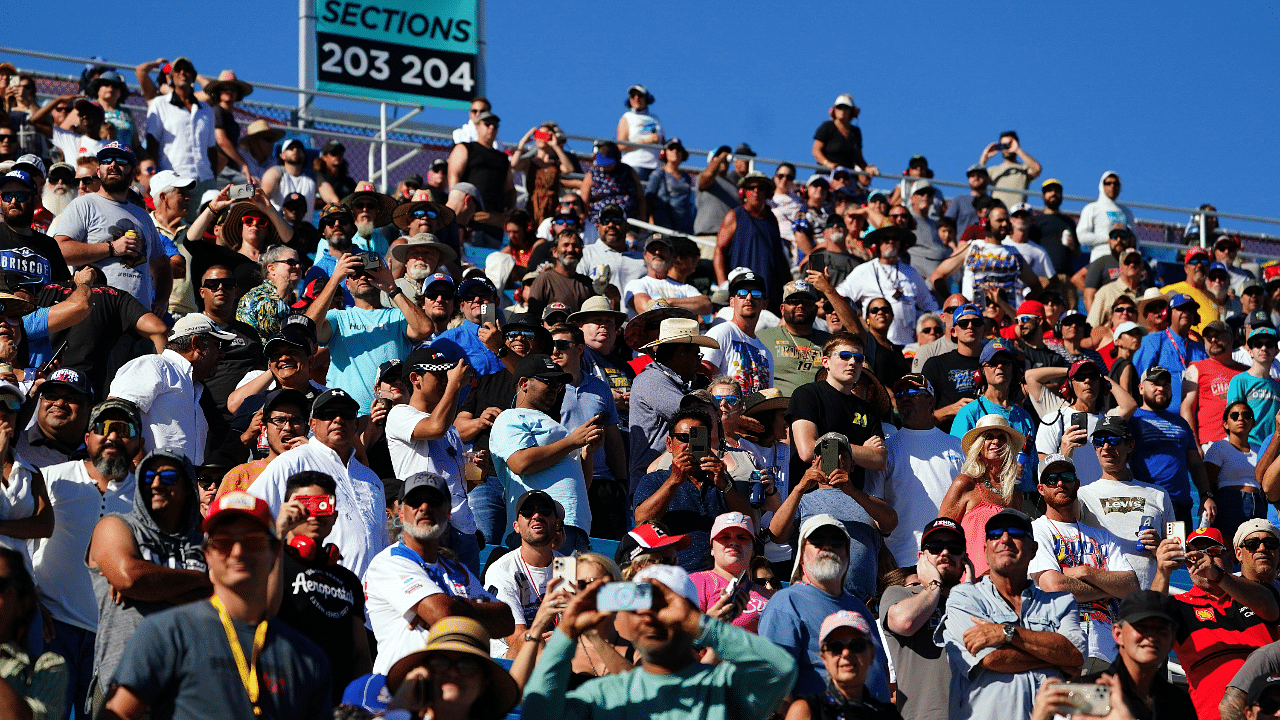
NASCAR’s popularity has steadily eroded since its early-2000s peak, not because fans stopped loving racing, but because the sport repeatedly moved the goalposts. One of the most controversial shifts involved the championship format. Many fans labeled ‘The Chase’ format and subsequent playoff system as manufactured entertainment, which wiped out months of dominance by drivers in a single race.
NASCAR appears ready to address this flaw next season, but the damage had already lingered for years. Alongside that, car design choices that emphasized parity also produced aero-dependent racing at several venues, further dulling the product.
Yet Wallace identified two mistakes that, in his view, did the most harm. The first, he said, was NASCAR’s fixation on building too many intermediate 1.5-mile tracks. “We had Atlanta, we had Rockingham. Charlotte was in there. Back in the late 80s, early 90s, you had the perfect amount of mile-and-a-half tracks.”
Wallace argued that instead of expanding seating at existing tracks, as Bristol successfully did, the sport chased new venues. California Speedway arrived as a massive intermediate oval, and while it looked impressive, Wallace said fans endured a decade or more of dull racing while the asphalt aged. Chicago followed a similar blueprint, as did Kentucky.
In the process, NASCAR phased out Rockingham and North Wilkesboro, tracks where close-quarters racing and physical battles thrived. On mile-and-a-half ovals, Wallace noted how drivers could not lean on each other without paying the ultimate price, hence distancing the fans further.
This expansion strategy coincided with NASCAR’s push to become a truly national sport. Races shifted away from historic Southeastern short tracks toward newer, metropolitan venues. That move, Wallace believes, undercut the emotional connection of the sport’s core fanbase.
Wallace cites NASCAR’s greed as the second mistake
The second mistake, in Wallace’s view, came down to money. As NASCAR chased higher revenue, it bundled race weekends in a way that forced fans to buy tickets for Trucks, Xfinity, and Cup races separately.
“You gotta show up Friday, Saturday, and Sunday, and the dirt racing fans were like, ‘We just want to show up Sunday.’ It just priced everybody out.” Despite his criticism, Wallace conceded that NASCAR has been humbled by declining engagement and legal pressure. He believes the sport understands the need to correct course and expects meaningful changes by 2026.
Still, apart from the ones listed down by Wallace, several other lingering issues have fueled fan frustration, including fragmented television contracts that saturated broadcasts with commercials, often missing key on-track moments.
Also, the perception of manufactured drama played a significant role. Frequent late cautions have led some fans to believe outcomes are engineered for spectacle rather than earned through organic competition. Whether NASCAR will address those concerns remains uncertain, but repairing trust would definitely require more than settling lawsuits.