Steve Phelps stepped down from his role as the Commissioner of NASCAR following the fallout from leaked text messages during the antitrust trial. The insulting nature of the messages and the loss of face NASCAR endured because of it sent ripples through the garage, rattled fans, unsettled team ownership circles, and even major sponsors such as Bass Pro Shops. In response, the sanctioning body moved into damage-control mode.
Advertisement
NASCAR attempted to steady the ship by addressing multiple points at once. That included settling the antitrust lawsuit, incorporating fan feedback while revising the competition format, committing to higher horsepower, and parting ways with Phelps.
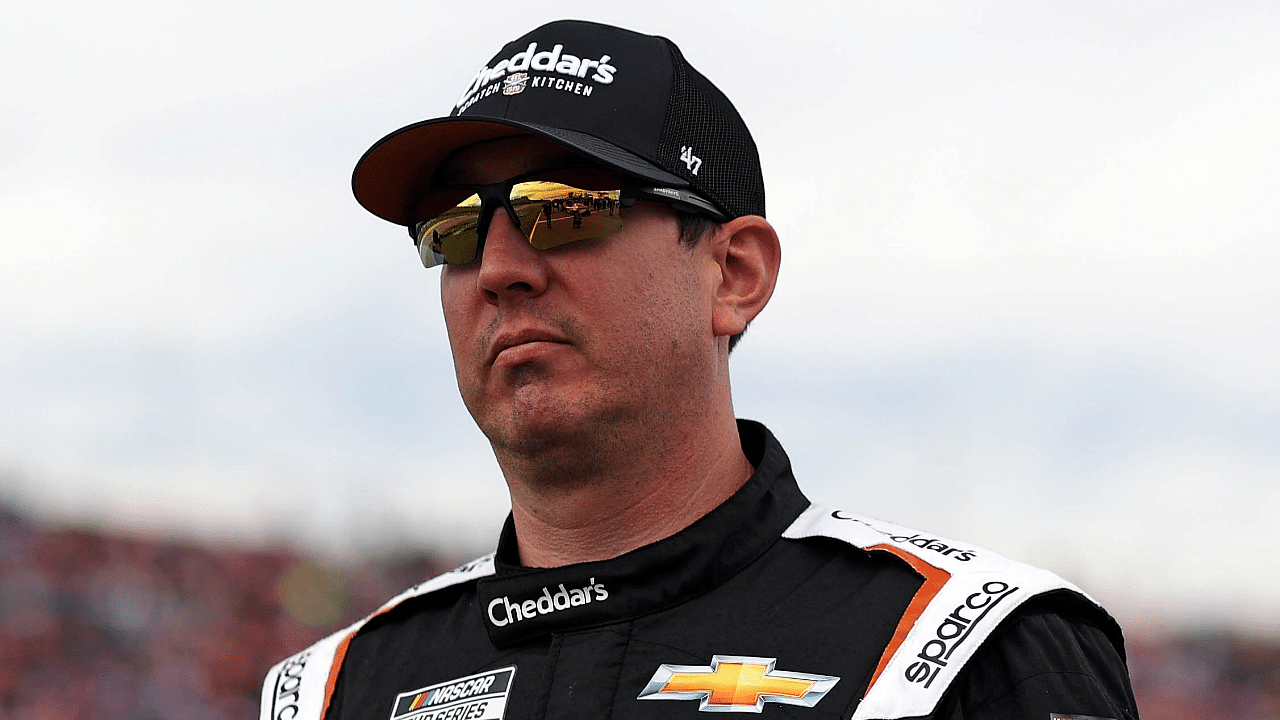
Many believe that Phelps handled the Commissioner’s role effectively, serving as a connective thread between stakeholders with competing interests. And his exit leaves a vacuum at the helm. However, NASCAR has not rushed to appoint a successor. When Kyle Busch was asked about the leadership gap, his pick was someone who had proven his leadership qualities in the past.
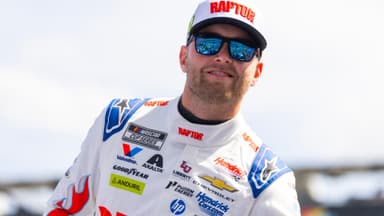
Busch gave his take by focusing less on controversy and more on capability. “I mean, I don’t know the ins and outs of all of what Phelps did,” he began.
“But just through some of the rumblings: His ability to be able to talk amongst all of the key partners, right the OEMs and the league personnel below him, then of course the teams and owners, things like that, TV people radio handling businesses getting media rights things that he did,” elaborated Busch on the duties Phelps rendered while heading NASCAR.
Busch emphasized that Phelps’ strength lay in managing those conversations and keeping the ecosystem aligned. “He was very charismatic,” he continued, acknowledging that replacing someone with that skill set presents a challenge.
The question of succession, in Busch’s view, remains open-ended. He then floated a familiar name from NASCAR’s past, stating, “I’d put [Mike] Helton back in if it were me.”
Helton served as the President of NASCAR from 2000 to 2015 and is currently serving as its Vice Chairman.
.@KyleBusch gave his thoughts on NASCAR’s new/old format, testing at @NWBSpeedway, and his friendship with Greg Biffle.
“Any crashes will kill your championship run”#NASCAR pic.twitter.com/HGlnHnAQOh
— Peter Stratta (@peterstratta) January 13, 2026
For now, Phelps’ responsibilities sit with Steve O’Donnell, NASCAR’s current president. Busch expressed no discomfort with that arrangement.
Busch respects O’Donnell and is comfortable with him holding authority in the interim. At the same time, the RCR driver recognized the scale of the role. Those are significant shoes to fill, and whether O’Donnell becomes the long-term answer only time can reveal.
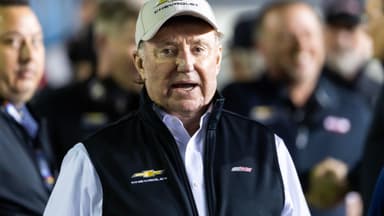
The controversy had touched Busch on a professional level, given that Phelps’ comments had offended his team owner, Richard Childress. Still, Busch avoided personal criticism. He did not air grievances or sharpen the narrative.
Opinions about Phelps across the sport remain split, though. Voices such as Kenny Wallace argued that his exit was needed, especially in light of the charter lawsuit and the controversy surrounding the text messages. Others took a more measured view.
Jeff Gordon, vice chairman at Hendrick Motorsports, acknowledged Phelps’ practical leadership style and credited him with acting as a functional bridge between teams, manufacturers, broadcasters, and league executives. Within the paddock, many believed Phelps genuinely wanted to improve the sport and played a meaningful role in advocating for teams during difficult charter negotiations.