


NASCAR 101: How Wind Affects Drivers and Cars on the Track

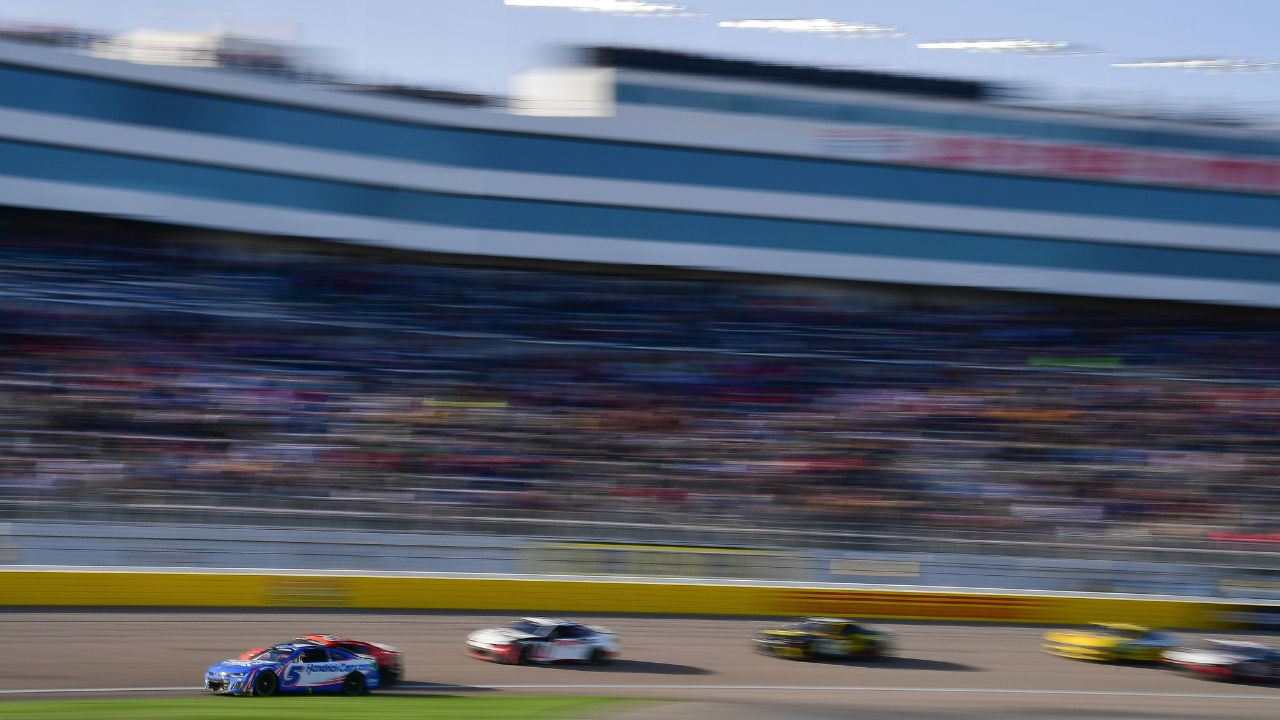
There’s no doubt that a lot goes into being a NASCAR driver. One of the biggest challenges that a driver faces is to manage the wind that’s blowing over the track. But how important can just the wind be? How can a gush of wind at 60 miles per hour be detrimental to a race car driver? A Joe Gibbs Racing video has given the answer to that question.
Primarily, there are two concerns for a driver when the wind is blowing at that speed. The first concern is that the wind could result in the cars overdriving and getting loose around the turns.
They said, “When it’s windy enough to blow our chairs over, race car drivers have two concerns; it can cause handling problems in the turns causing cars to spin out.” Therefore, the teams adjust the cars so that they don’t get too loose despite the push from the wind.
Needless to say, the second issue is that of a blocked view. High-speed winds collect dust and that often bars the vision of the drivers, resulting in difficulties in driving safely during the races.
The wind; a friend and a foe in NASCAR
Richard Buck, who was once the managing director of the Monster Energy NASCAR Cup Series admitted that air has always been an undeniable part of the sport. “The drivers definitely use it. They understand it, and they can use that to their advantage. They can also use it to disadvantage the competitor they’re racing,” he explained as per NASCAR.
So how does that work? The simplest drawback of winds blowing against a car is that the resistance from the wind slows it down. Any force that pushes the car against its trajectory of movement means that it has to accelerate harder to move forward.
However, while the wind does that, it also brings the downforce up on vehicles that have a rear wing or spoiler. In simple words, the increased downforce can result in better traction.
Moreover, when the wind hits an engine from the front, the car can gain a particular advantage. The extra air can serve as a boost in power as extra oxygen enters the engine. But again, if the car exceeds a certain speed, the air can exert a significant amount of pressure on the inlet.
About the author


-

Neha Dwivedi •
Daniel Suárez Praises Spire’s ‘Incredible Culture,’ Looks Ahead to Unlocking Full Potential
-

Gowtham Ramalingam •
Denny Hamlin Lauds NASCAR’s Darlington Product as Just the One the Drivers’ Wanted
-

Neha Dwivedi •
Connor Zilisch Describes How ‘Letting Go’ Can Often Mean the Key to Success at Martinsville
-

Gowtham Ramalingam •
Ryan Blaney Reveals What Makes Martinsville Unique Despite Its Similarity to Another Popular NASCAR Track
-

Gowtham Ramalingam •
Dale Earnhardt Jr. Makes Strong Case for CARS Tour Being Better Than Any Other Racing Series
-

Neha Dwivedi •
“Makes Me Proud as a Race Fan”: Dale Earnhardt Jr. Lauds Ben Kennedy for Going the Extra Mile for NASCAR