The NASCAR antitrust lawsuit and the settlement announcement have been commanding attention across the motorsports landscape. IndyCar, meanwhile, silently took a significant step by restructuring how its races will be governed.
Advertisement
The series recently announced the formation of a three-member Independent Officiating Board, the IOB. This standalone panel will assume control of race officiating beginning in 2026.
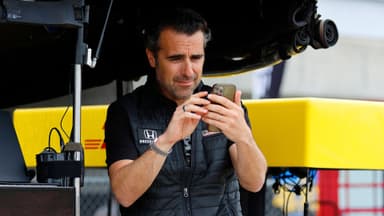
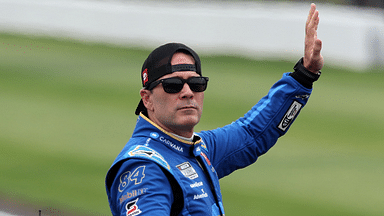
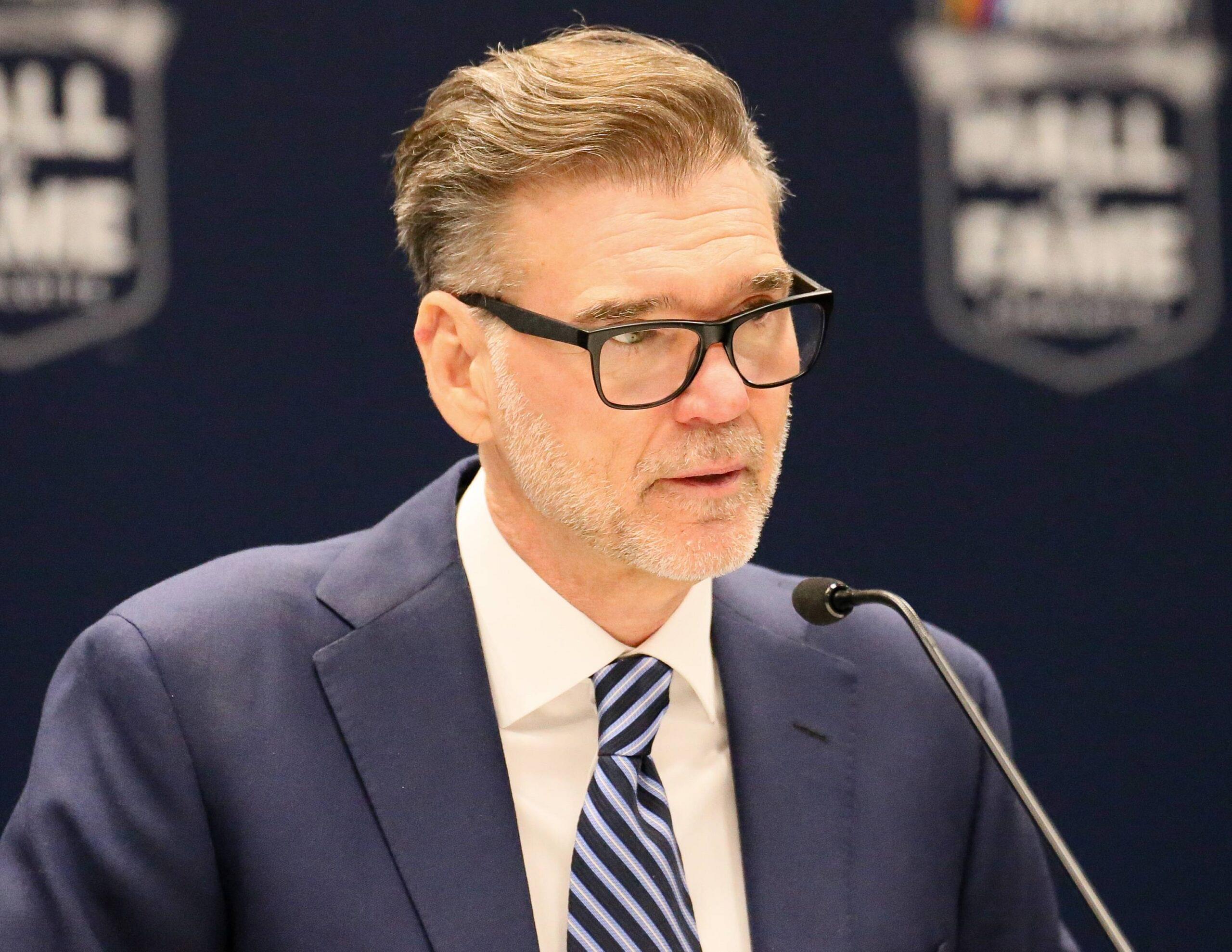
Among those selected in the panel is Ray Evernham, the former Hendrick Motorsports crew chief. His appointment places a NASCAR figure at the center of IndyCar’s next phase.
Joining him on the board are Raj Nair, previously a senior executive at Ford Motor Company, and Ronan Morgan, who formerly chaired the FIA’s panel of stewards. The trio will oversee officiating duties entirely separate from IndyCar’s existing structure, marking a significant shift in governance.
Until now, IndyCar’s officiating personnel operated under the direct umbrella of the series, which is owned and run by Penske Entertainment. That internal model will dissolve once the new framework takes over. The selection process for the IOB was held earlier this week and followed a defined process.
Two members were chosen through a vote by IndyCar team owners holding charter status, and the remaining person was appointed by the FIA. Evernham and Nair earned their positions via the owners’ vote, reflecting confidence from the paddock in their experience and judgment. The FIA selected Morgan, adding an international regulatory voice to the board.
Penske Entertainment Corporation President and CEO Mark Miles welcomed the change, emphasizing the intent behind the overhaul. “We are excited to launch this new structure of INDYCAR officiating and know the officiating board will approach this charge with diligence and a sense of shared responsibility,” he said.
The IOB’s independence would be sacrosanct. The board will operate without oversight from IndyCar or Penske Entertainment and will control its own direction.
Among its first responsibilities will be selecting a Managing Director of Officiating and creating an annual operating budget. The managing director will report directly to the board, ensuring a clear line of authority free from influence.
The MD will oversee all officiating functions, including staffing race control and supervising IndyCar’s technical inspection teams. The position will also hold full authority to enforce the NTT IndyCar Series and INDY NXT rulebooks.
Details surrounding the appointment of the managing director, along with additional structural elements, are expected to be announced in early 2026. IndyCar president J. Douglas Boles stated that the move is made with long-term commitment and is not a reactionary shift.
“We have remained committed to independent officiating for 2026, and we are pleased to announce this next step. The INDYCAR team owners and the FIA have selected a world-class board with high character, incredible knowledge, and an intense passion for motorsports and INDYCAR racing,” said Boles.
Both NASCAR and IndyCar are entering periods of structural change and recalibration. NASCAR’s 2026 campaign will officially begin on February 15, while IndyCar will launch its season two weeks later, opening on March 1 in St. Petersburg.