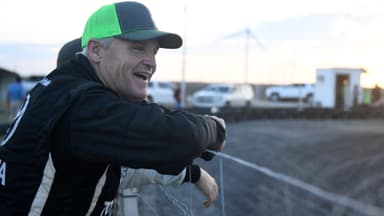
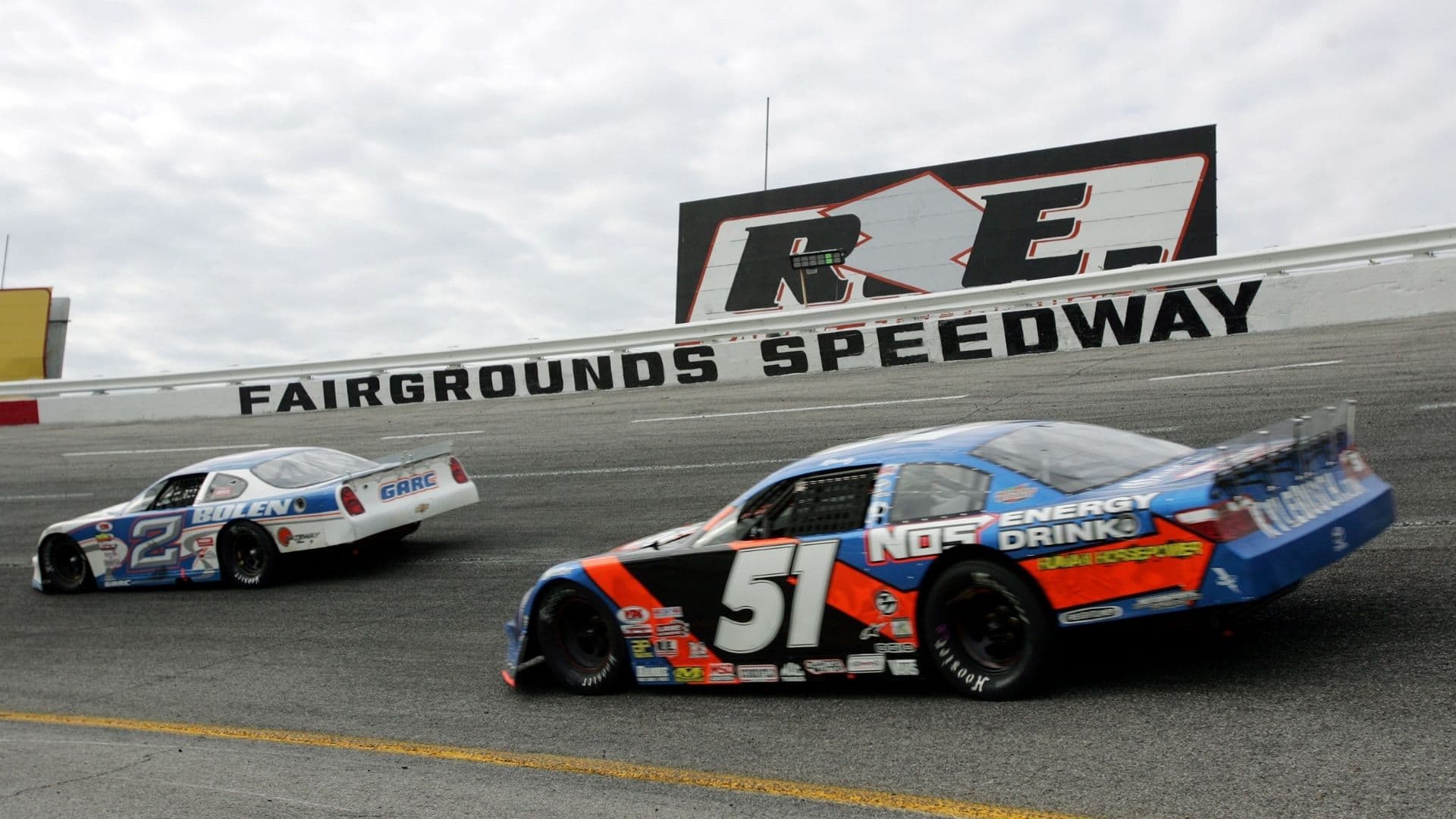
Nashville Fairgrounds Speedway, a historic track with ambitious redevelopment plans, has found itself in limbo, with authorities seemingly reluctant to host a NASCAR race there. It has been stuck in a “will it or won’t it” situation for quite some time now, leaving veterans of the sport, such as Kenny Wallace, exasperated.
Advertisement
The Fairgrounds signed a deal with Speedway Motorsports Inc. four years ago, and they outlined a plan to have a modernized version of the facility, the ability to host roughly ten events per year, and the long-term possibility of a NASCAR race returning on an every-other-year basis. Yet the project has failed to move beyond the planning phase, mainly because resistance to the renovation has intensified, particularly from locals.
Concerns over congestion, noise, parking limitations, and the strain of large race weekends on an already packed neighborhood have grown louder. Critics argue that a NASCAR return would overwhelm the area and that the sport should remain in Lebanon rather than return to the historic Fairgrounds. Some have gone further, suggesting the land would be better used for affordable housing. Frustrated by the situation, Wallace has now aligned himself with a group of Nashvillians pushing a petition to remove racing from the Fairgrounds altogether.
The veteran NASCAR driver framed the dispute as a breakdown in trust between city leadership and Speedway Motorsports leadership, particularly its chief executive, Marcus Smith. He said on his YouTube channel, “It’s very clear that the mayor and everybody at Nashville does not love my friend Marcus Smith. Marcus Smith owns SMI… owns Bristol, Charlotte, you name it.”
He followed by clarifying his interpretation of the tension, adding, “I don’t think that they don’t like Marcus. I just don’t think they want racing right there. So, if you don’t love me, I don’t love you.
“Smash the damn racetrack to smithereens if that’s what… Let’s move on. Let’s go. You know, we got a nice concrete oval out there. There’s land out there. We got grandstands, great parking out there, so let’s move on. I hope it keeps going, but I’m just aggravated by it all for the reasons I just said.”
Grassroots organizations, such as “Restore Our Fairgrounds,” continue to oppose expansion plans. Their objections include scheduling conflicts with soccer and other community uses, and they are pushing for a local referendum in early 2026 that would ban racing activity outright.
The political process has slowed progress, as the mayor’s office reviews proposals, gathers public feedback, and weighs competing interests amid an increasingly charged debate.
But despite the controversy, the mayor’s office has reiterated that Nashville does not need to sacrifice a shared historical asset to solve housing challenges. Official statements emphasize that the city can preserve the Fairgrounds while directing residential development to more suitable locations. However, that messaging has done little to change Wallace’s belief that hostility toward Smith underpins the stalemate.
Freddie O’Connell has pushed back firmly on that narrative. He has publicly stated that Nashville already has more than 500 acres across the county available for housing development, making it unnecessary to dismantle a historic venue to meet that need. From the mayor’s perspective, the city does not face a binary choice between housing and heritage.
That stance, however, has not stopped frustration from boiling over within the NASCAR community.
As it stands, the tentative target is to complete renovations by 2027, reopening the door for NASCAR Cup Series racing to return. Proposed upgrades include a new grandstand capable of seating up to 25,000 fans, a dedicated parking garage, and enhanced sound mitigation measures designed to address neighborhood concerns.
Whether that vision materializes remains uncertain, but the Fairgrounds debate continues to sit at the intersection of progress.